1/11
Oil Prices Drop, Yet Taps Open
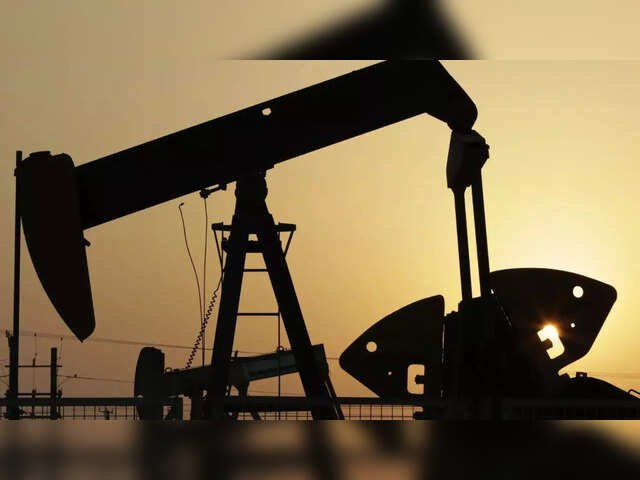
Despite oil prices hovering around $60 per barrel, OPEC+ is expected to increase production further. This move follows mounting pressure from U.S. President Donald Trump and Saudi Arabia’s efforts to penalize member countries that have violated agreed production quotas.
(Source: AFP)
Agencies

2/11
Surprise Production Boost
In recent months, Saudi Arabia, Russia, and six other OPEC+ nations have surprised the market by sharply increasing oil output for May and June. This action comes at a time when prices remain weak, a decision that contrasts with their traditional policy of supply restraint.
TIL Creatives
3/11
Upcoming Key Meetings
OPEC+ is scheduled to hold two critical meetings this week. On Wednesday, all 22 member countries will convene online to discuss the broader strategy. On Sunday, the focus will narrow to the “V8” — the eight countries that have implemented the largest production cuts.
Reuters
4/11
OPEC+ Justifies Strategy Shift
OPEC+ justifies the production boost by pointing to what it describes as “healthy market fundamentals,” noting low inventory levels. However, many observers remain skeptical, particularly in light of weak global demand influenced by ongoing trade tensions.
Reuters
5/11
Accelerated Reintroduction of Oil
The group had initially committed to gradually reintroducing oil that was withheld from the market since late 2022. However, the pace of reintroduction has been faster than expected, suggesting a shift in OPEC+’s long-term strategy.
ETMarkets.com
6/11
Saudi Arabia’s Pressure on Cheaters
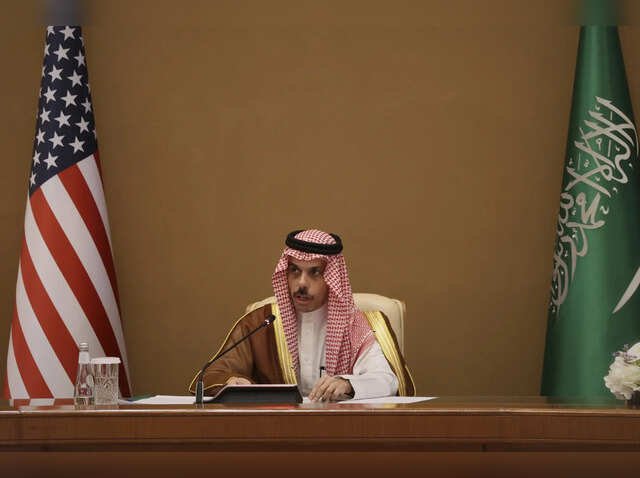
Saudi Arabia is using the current situation to enforce discipline among OPEC+ members. By increasing its own production, Riyadh is effectively reducing the profits of countries that continue to exceed their quotas, sending a strong message to those violating the group’s agreements.
AP
7/11
Kazakhstan in the Crosshairs
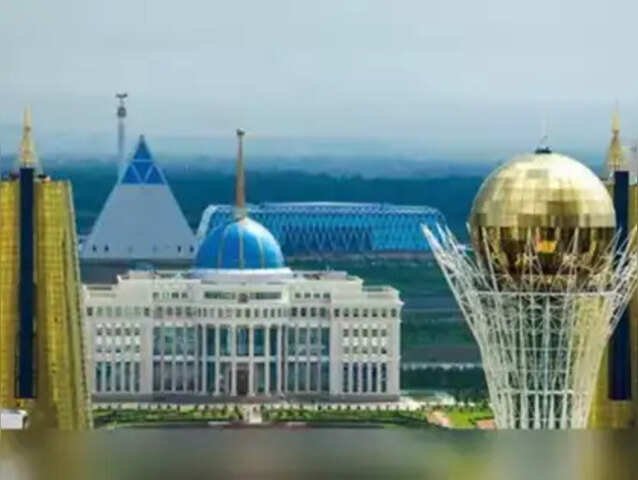
Kazakhstan has emerged as the most prominent violator of OPEC+ quotas, largely due to increased output from the Chevron-led Tengiz project. While other countries like Iraq and the UAE have also exceeded their limits, Saudi Arabia appears to be targeting Kazakhstan specifically to maintain credibility.
ETMarkets.com
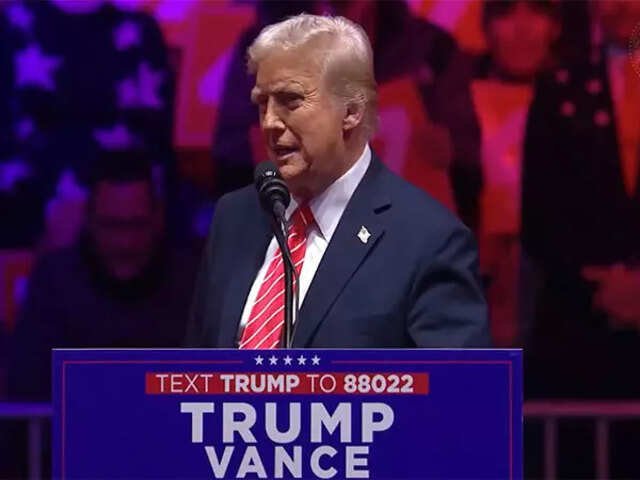
The shift in production strategy cannot be fully understood without considering U.S. President Donald Trump’s influence. Seeking to ease inflation at home, Trump publicly urged OPEC+ to bring down oil prices. His recent silence during a Gulf tour suggests approval of the group’s actions.
ANI
9/11
Watching Iran Closely
OPEC+ is also closely monitoring the progress of nuclear negotiations between Tehran and Washington. A deal could lift sanctions on Iran, bringing additional oil into an already oversupplied market and complicating the group’s balancing efforts.
ETMarkets.com
10/11
Risks for Saudi Arabia
Although Saudi Arabia is leading the push for increased output, low oil prices pose a serious challenge to its economy. The kingdom relies heavily on oil revenues to fund its Vision 2030 diversification goals, making price recovery critical for long-term stability.
iStock
OPEC+ is moving ahead with production increases despite low prices, influenced by geopolitical pressure and internal discipline enforcement. The outcome of this week’s meetings and global diplomatic developments will be key to the next chapter in oil market dynamics.
(Disclaimer: This slideshow has been sourced from AFP)
Agencies