What’s going on here?
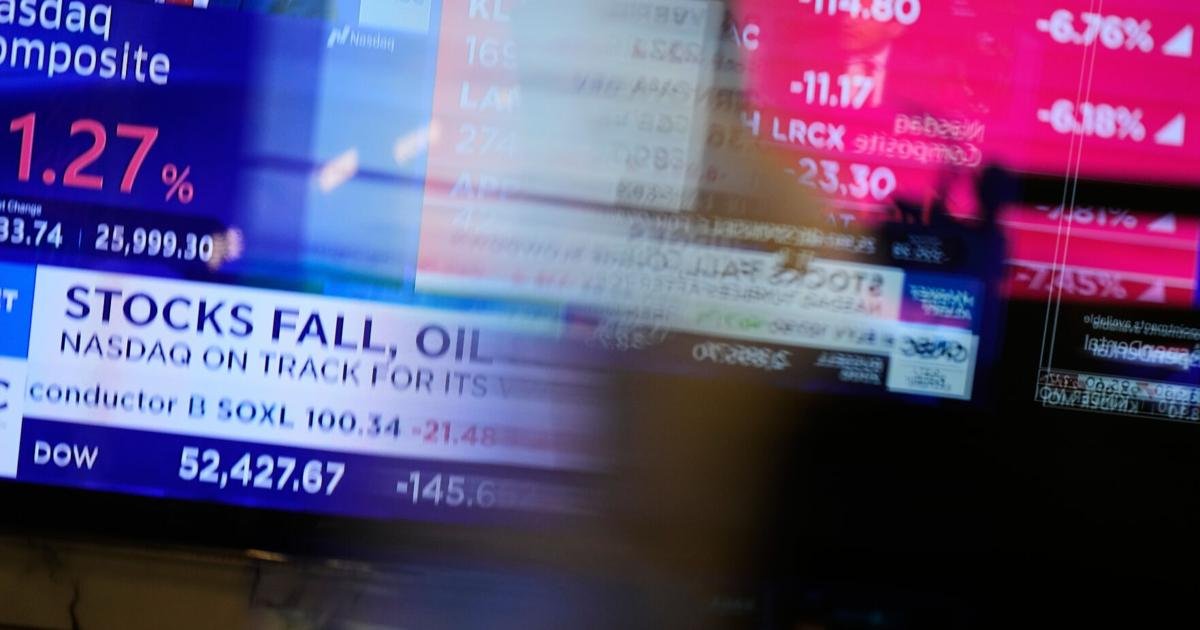
South Korea’s KOSPI stock index shattered records this week, jumping nearly 3% to close at 4,221.87 as surging tech stocks and booming semiconductor exports powered fresh optimism.
What does this mean?
Tech giants like Samsung Electronics, SK Hynix, and LG Energy Solution led the charge, benefiting from global demand for semiconductors and strong export growth in October. Samsung’s talks to supply advanced memory chips to Nvidia underscore South Korea’s focus on artificial intelligence — a field shaking up global tech competition. Other big names, including Hyundai Motor and POSCO Holdings, also posted gains, but Kia slipped. Underneath the headline rally, though, market breadth was thin: only about a third of listed stocks rose, and foreign investors sold shares worth nearly 795 billion won ($556 million). On top of that, bond yields ticked higher — a sign debt is getting pricier — while the won strengthened 3% against the dollar, reflecting its solid performance so far in 2024.
Why should I care?
For markets: Tech momentum masks caution beneath the surface.
The KOSPI’s surge is all about tech leaders like Samsung and SK Hynix, riding the wave of AI and data center chip demand. But only a fraction of stocks joined the rally, and foreign investors are pulling back, highlighting some wariness in the market. If the global economy hits turbulence or trade tensions rise, this rally could prove fragile — so those tracking Asia’s markets should keep an eye on broader trends, not just headline highs.
The bigger picture: Global forces keep sentiment in check.
South Korea’s export-heavy economy is closely tied to shifts in global trade and US policy. Strong semiconductor demand signals growth potential, but rising bond yields and a firmer currency make the road ahead more complex for firms and policymakers. As the landscape shifts, Korean businesses are watching international developments closely and bracing for fresh challenges — proving that even record highs don’t guarantee smooth sailing.