A leading economist and former official at the International Monetary Fund has warned that President Donald Trump’s repeated brags about the success of the stock market during his tenure could backfire if U.S. equities underperform in 2026.
In an article published Monday, Desmond Lachman said that several things could reverse the stock market’s fortunes over the next 12 months, including the bursting of the AI “bubble,” turning Trump’s “economic point of pride” into a liability that may “sink” him and his party during the midterm elections.
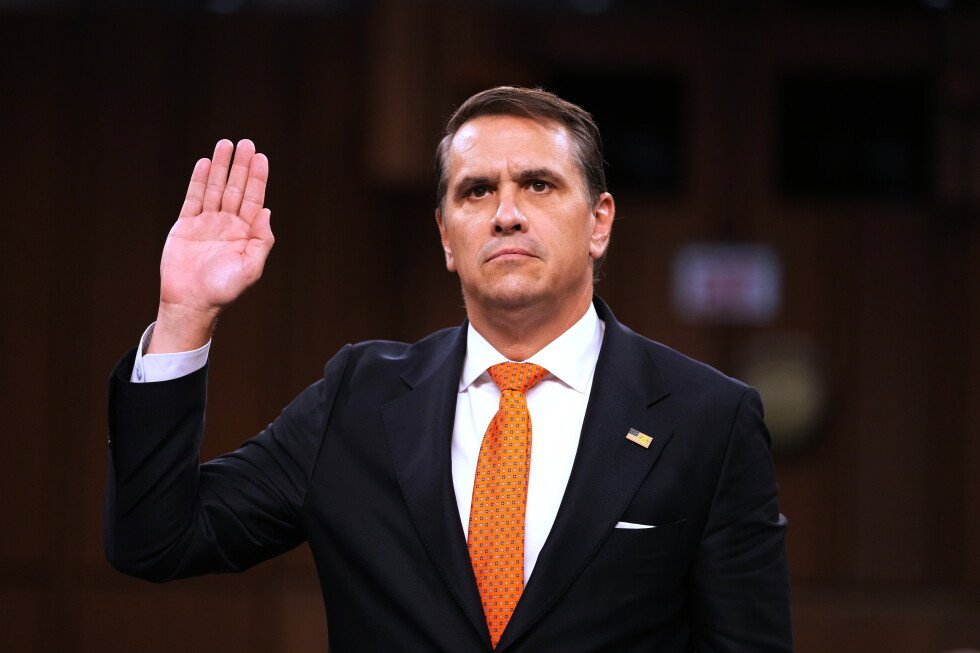
“By emphasizing how well the U.S. stock market is doing, U.S. President Donald Trump could be setting himself up for electoral disappointment this November,” wrote Lachman, a senior fellow at the American Enterprise Institute. “With equities priced for perfection, any number of risks could deflate today’s exuberance.”
Why It Matters
President Trump’s messaging on the economy, including his focus on stock market gains rather than the grimmer financial realities facing many households, has already been cited as a potential electoral liability when it comes to the midterms. Democrats have driven home the issue of affordability in recent election campaigns, and several Republican voices have cautioned that this could hurt the party’s chances this year.
What To Know
At a December 9 event in Pennsylvania, Trump told the crowd that his administration was “crushing” inflation and securing lower prices for the American consumer, adding that the “only thing that’s really going up big” is the stock market.
Trump has repeated such statements on several occasions and before various audiences, including at the United Nations General Assembly in September, where he boasted that under his watch the stock market was “doing better than it’s ever done.”
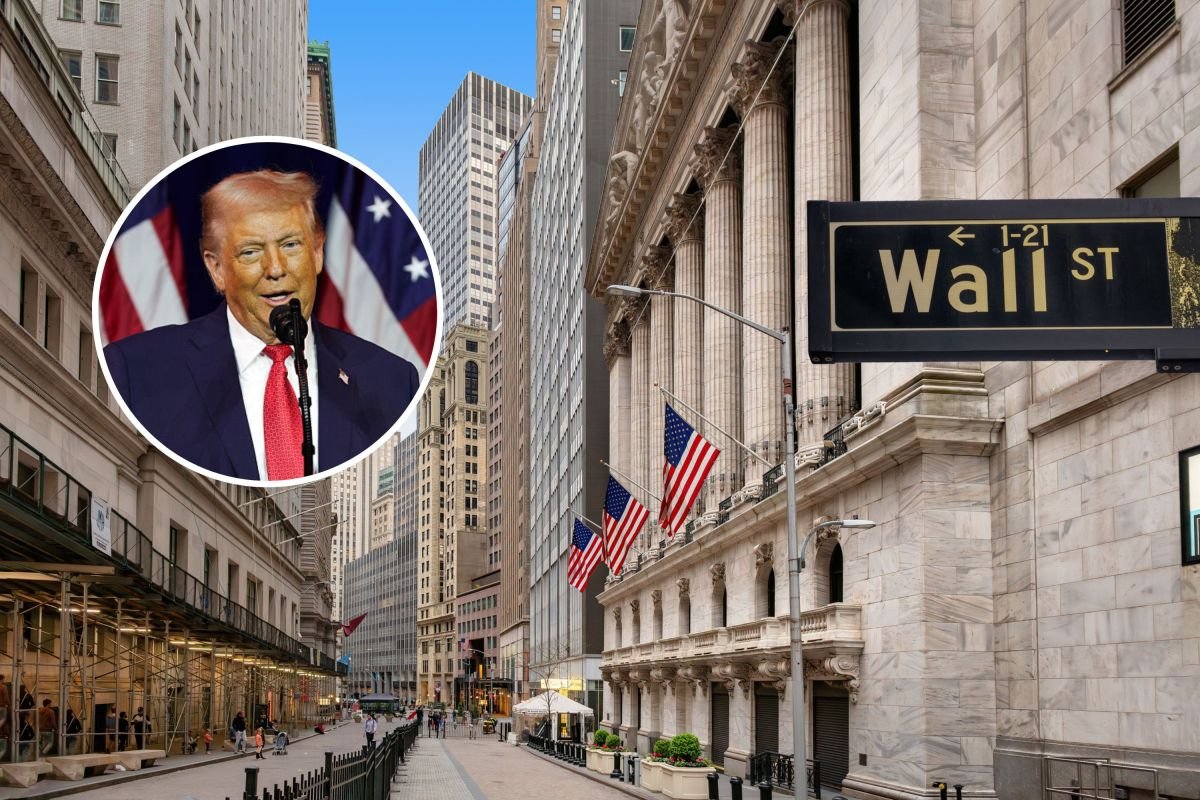
Such claims are not without warrant, as all three of the main American indexes recorded robust gains in 2025. The S&P 500 climbed 16.4 percent following a 23.3 percent gain in 2024, the Nasdaq was up 20 percent compared to 29 percent, and the Dow Jones rose by a comparable 13 percent.
However, according to Lachman, a significant correction “does seem highly probable this year,” given the “unusually high degree of optimism priced into the market.” He highlighted the issue of overvaluation, which many have pointed to as paving the way for a substantial correction in the stock market.
“It would be an understatement to say that stocks are priced at lofty valuations,” he wrote, “in fact, they are priced for economic perfection.”
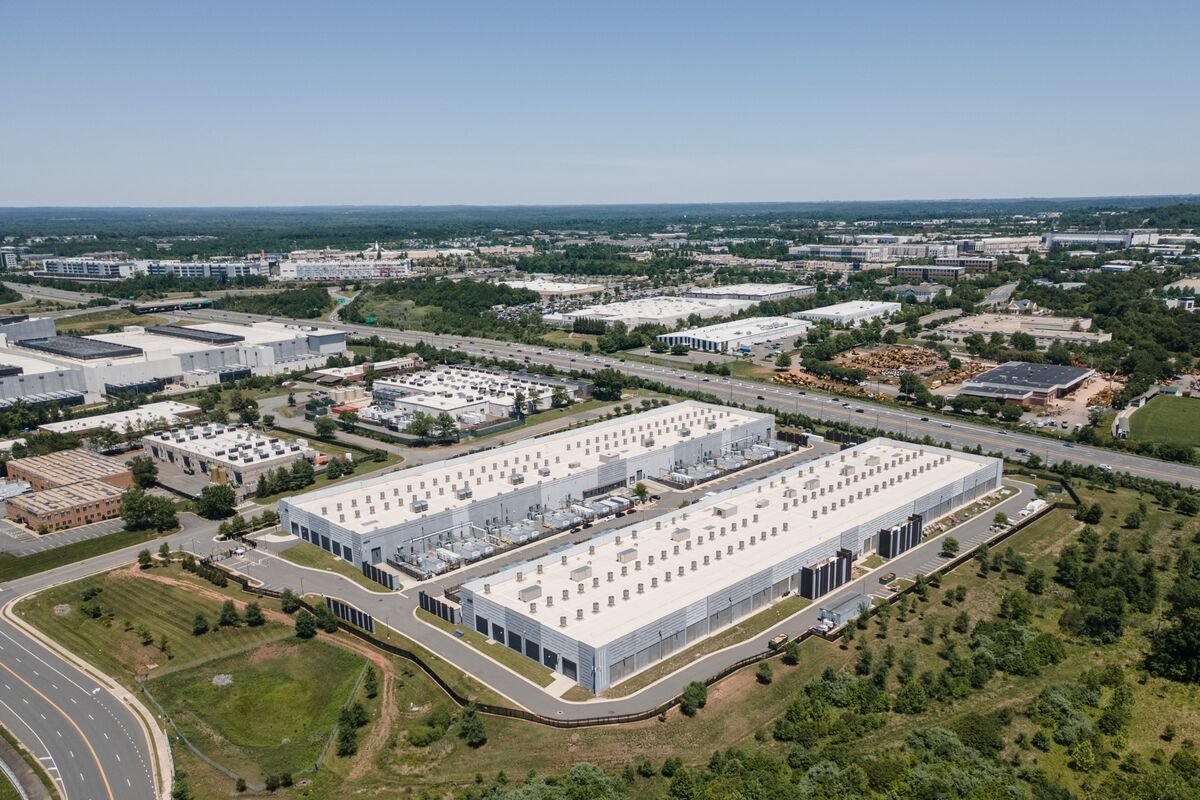
Lachman added that as U.S. economic growth becomes increasingly dependent on investments in artificial intelligence, and stock market valuations concentrate further in the hands of a few AI-bullish companies, the “bursting” of this particular bubble would send shockwaves through the entire economy.
“For me, the main item that the bursting of the AI bubble would entail would be the market revising substantially down their valuation of the AI stocks,” Lachman told Newsweek. “Currently, these valuations are totally out of line with reality.”
“In addition to a big pullback in AI stock prices, I would expect to see a sharp cutback in investment on data centers and a drying up of capital for AI start-up companies,” he added. “We could also see some loan defaults.”
What People Are Saying
President Trump, speaking in the Oval Office in mid-December, said: “We’ve had the greatest stock market in history. We have a stock market that’s gone up 52 times to new highs during a 10-month period. My first 10 months, we set a record. 52 days we had the highest stock market in history, including a day ago. And I didn’t look today. Maybe it’s up today, I don’t know, but we had 52 altogether. And there’s never been anything like it. And the reason is the tariffs have brought vast amounts of wealth into our country.”
White House spokesman Kush Desai told Newsweek: “The stock market is roaring and economic growth is accelerating because of President Trump’s aggressive economic agenda of tax cuts, deregulation, energy abundance, and tariffs. This agenda created historic prosperity in President Trump’s first term, and it will continue to pay off in the new year as America turns the page on the Biden economic disaster.”
Economist Desmond Lachman told Newsweek: “Should the stock market go pear-shaped, my expectation is that Trump would do two things. First, he would try to change the conversation. Second, he would blame the Federal Reserve and Jerome Powell for having kept interest rates too high for too long.”
What Happens Next
Partially reflecting the number of threats that could materialize, analysts’ expectations for how equities will perform in 2026 are varied.