(Bloomberg) — The hottest corner of the stock market in 2025 remains scorching in the new year, but the relentless momentum has some Wall Street pros wondering if a reversal is coming.
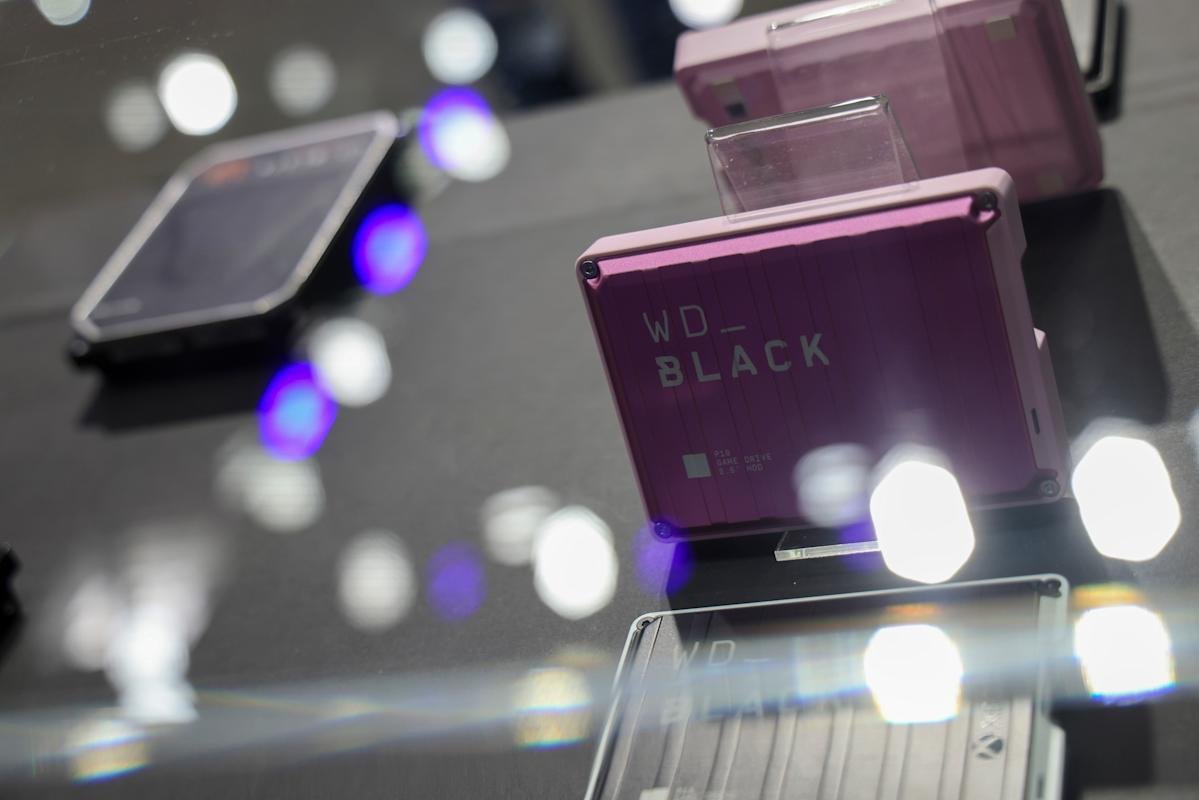
Memory and storage companies were the leading performers in the S&P 500 Index last year, as the massive amounts of cash being spent on building out AI infrastructure trickled down to some traditionally staid parts of the tech sector. The group, led by companies like Sandisk Corp. (SNDK), Western Digital Corp. (WDC), Seagate Technology Holdings (STX) and Micron Technology Inc. (MU), remains at the top of the index in the early days of 2026.
Most Read from Bloomberg
-
NYC Fights Sale of Bankrupt Rentals After Mamdani Blasts Living Conditions
-
We Still Don’t Know if Robotaxis Are Safer Than Human Drivers
Sandisk popped 16% on the first trading day of the year and then soared 28% on Tuesday after Nvidia Corp. Chief Executive Officer Jensen Huang highlighted the need for more memory and storage in the AI ecosystem. The stock rose 1.1% on Wednesday and is up 49% in the first four trading sessions of the year. Meanwhile, Western Digital, Seagate and Micron have all posted double-digit percentage gains to start 2026, although all three stocks fell on Wednesday.
Shares of Sandisk soared 559% in 2025 to lead the S&P 500, followed by Western Digital, Micron and Seagate to round out the index’s four leading gainers.

However, modeling the growth prospects for these companies “is very difficult to do when there’s a transformation technology evolving in real time,” said Jessica Noviskis, outsourced CIO portfolio strategist for Marquette Associates, which manages about $29 billion in OCIO assets. “There are probably retail investors who are desperate to not miss this rally, so they’re grasping at straws.”
The primary drivers behind the rallies in memory and storage stocks are the AI infrastructure spending boom and rising prices for components such as memory chips due to soaring demand. But many investors are wondering if the size of the gains is justified, especially amid growing questions about whether AI-related capital expenditures will continue at their current pace without signs of strong returns on the outlays.
“The recent strength makes sense optically given the AI data-center buildout narrative, but I’m increasingly concerned the market is extrapolating demand too far forward and underestimating the historical cyclicality and the risk of over-capacity and pricing pressure,” said Peter Andersen, who helps oversee $4.5 billion in assets as chief investment officer of Andersen Capital Management.