The stock market generally hates the element of surprise.
That could especially be the case in the near term, where euphoric stock valuations are now being met with the return of Trump trade war tariff madness.
“It’s a market surprise and feels like a left hook by Apollo Creed in the first Rocky movie,” Wedbush analyst Dan Ives told Yahoo Finance.
The Dow Jones Industrial Average (^DJI), the S&P 500 (^GSPC), and the Nasdaq Composite (^IXIC) all suffered heavy losses on Tuesday morning, with investors bidding up safe-haven assets in gold (GC=F).
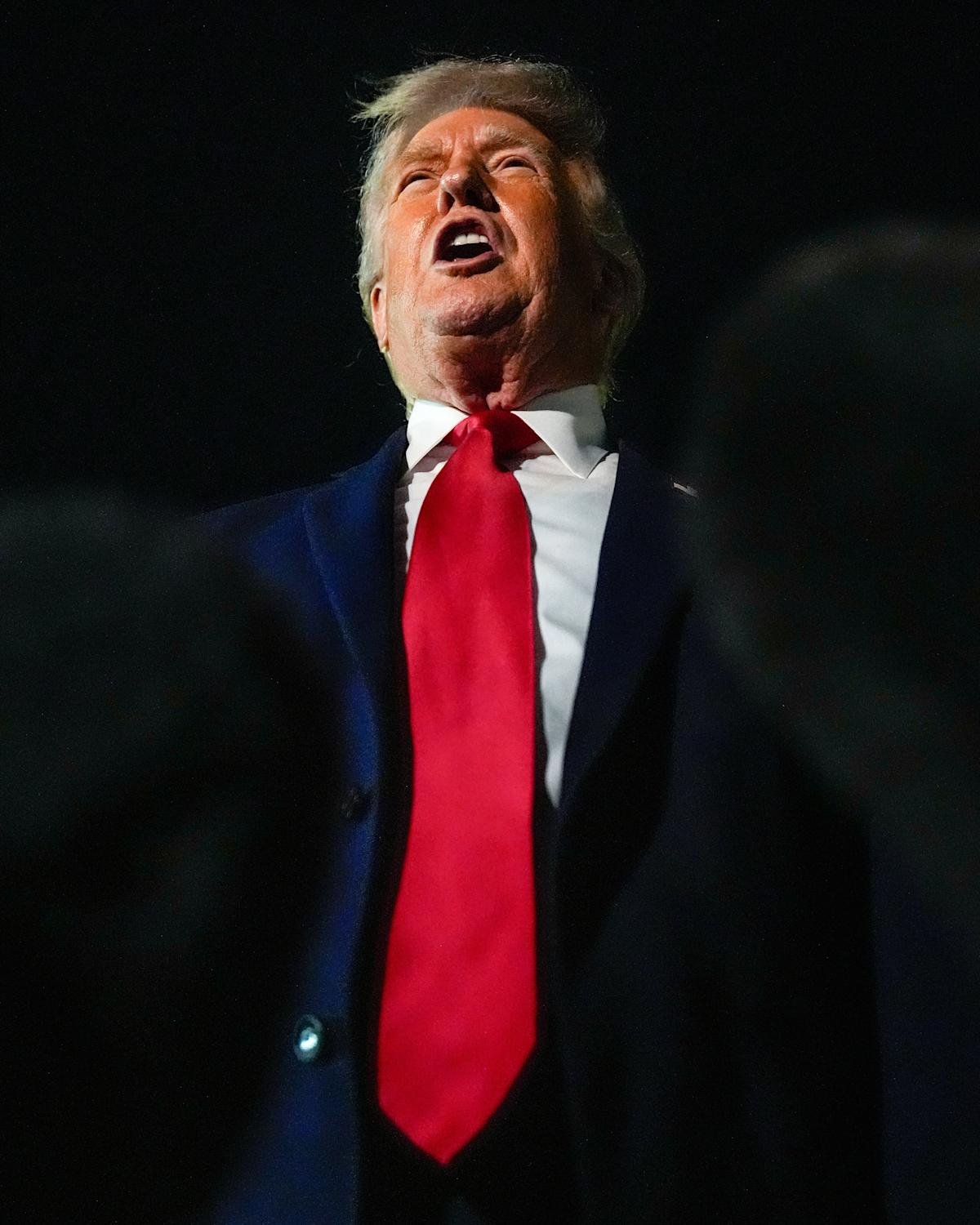
President Trump on Saturday warned that the US will enact tariffs of 10% on eight European countries. The duty will escalate to 25% in June, unless the US gains control of Greenland. The targets included key trading partners like the UK and Germany and came after Trump threatened on Friday to take control of Greenland even if he doesn’t get the green light from European lawmakers.
Read more: How Trump’s tariffs affect your money
The rhetoric on tariffs and Greenland has ratcheted up from there as Trump and his administration make their way to the World Economic Forum in Davos, Switzerland. Trump is expected to meet with top CEOs at the global confab and make a highly anticipated speech on Wednesday.
“What President Trump is threatening on Greenland is very different than the other trade deals,” Treasury Secretary Scott Bessent reportedly said in a press event on the ground at Davos. “So I would urge all countries to stick with their trade deals, we have agreed on them, and it does provide great certainty.”
He alluded to this moment being comparable to 2025’s Liberation Day, when the unveiling of tariffs crushed markets, “I would say this is the same kind of hysteria that we heard on April 2.”
Bessent went on to say at the press event that it would be “unwise” for European countries to retaliate on the tariff front.
Read more: The latest news and updates on Trump’s tariffs
Citi strategists were among the first on Wall Street to imply the latest tariff tussle will have staying power, and must be factored into global stocks.
“The latest step-up in transatlantic tensions and tariff uncertainty dents the near-term investment case for European equities, casting doubt on broad-based EPS inflection in 2026,” Citi strategist Beata Manthey wrote. “We therefore downgrade continental Europe to Neutral in a global context for the first time in over a year.”
Manthey further downgraded “internationally exposed” sectors in autos and chemicals due to the fresh trade uncertainty.