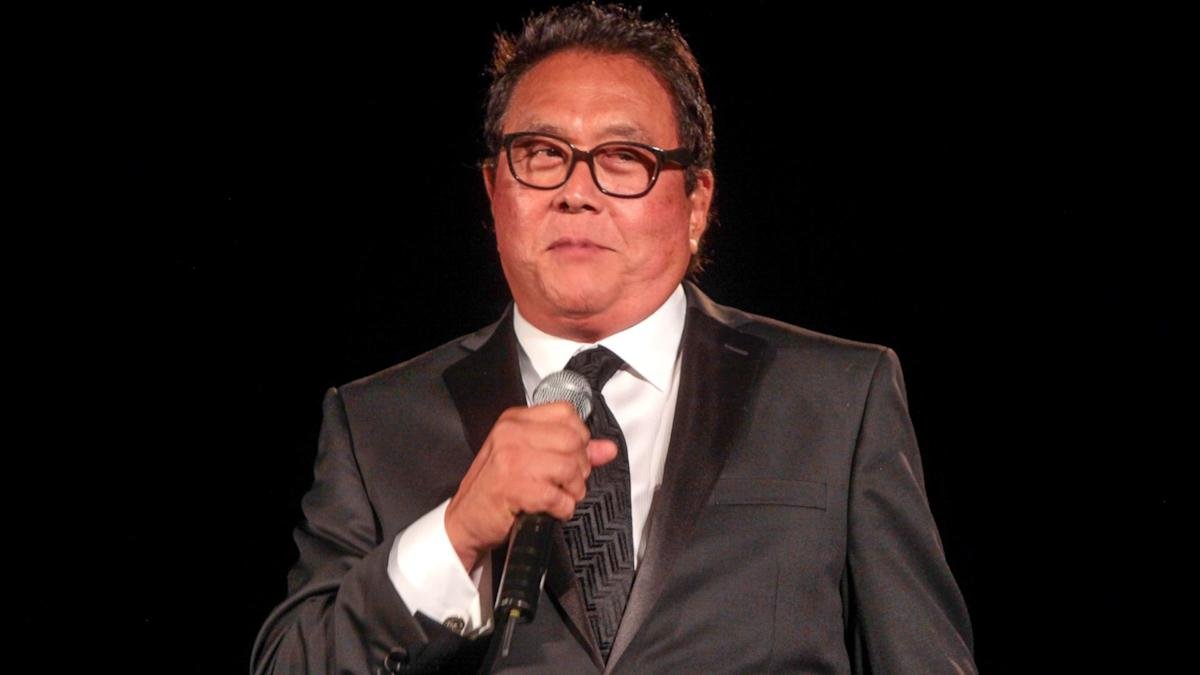
In a post shared to his Facebook, author and oft-quoted finance guru Robert Kiyosaki exhorted his audience members to pay attention to the soaring price of precious metals. According to Kiyosaki, the skyrocketing value of gold, silver and even copper was reflective of significant distrust coming from today’s investors as regards the stock market. Here’s the warning he shared with his followers.
According to Kiyosaki, this isn’t simply cash moving from one type of investment to another, it’s investors pulling out and losing faith.
“Real things started rising together. Industrial metals. Precious metals. Growth and fear holding hands… It means the system is under stress… Markets are no longer pricing earnings. They’re pricing credibility… Smart money isn’t debating sectors. It’s leaving the casino. Stocks are promises. Bonds are promises. Currencies are promises. Metals are not… Gold doesn’t need trust. Silver doesn’t need policy. Copper doesn’t need confidence. They’re used. They’re needed. They’re real,” he added.
Read This: Robert Kiyosaki Is Dumping Gold and Silver: Here’s What He’s Buying Instead
Check Out: 6 Things You Must Do When Your Savings Reach $50,000
Kiyosaki closed off this lengthy post with a gentle nudge to his followers that it was time to start building resilience by holding tangible, useful assets — and prepare, rather than panic, as “preparation has always been the quiet advantage of the rich.”
The man behind “Rich Dad Poor Dad” and several related books has a long history of advocating for precious metals investment and while his critics might say the message has become repetitious, at least one recent prediction made by Kiyosaki has materialized.
In May of 2025, Kiyosaki wrote on X predicting silver would go from $35 “today to “possibly $70” by 2026. The spot price of silver, per troy ounce, hit an even greater height of $93.10 on Jan. 14, 2026, according to Kitco.
An early-2025 LinkedIn post from Campbell Harvey, professor of finance at Duke University, discussed the market conditions of the day and gold’s general — and historic — appeal to investors.
First, of the U.S. economy, Harvey noted that uncertainty was very high and that investors were turning to gold as a hedge in response to volatility.
“There are worries about tariff policies, rekindled inflation and a potential economic slowdown. In times of heightened uncertainty, investors turn to assets that they perceive will provide protection — and gold always shows up on that list,” Harvey explained, pivoting to note that while volatile, gold was a decent enough short-term hedge.