By Mia Martinez | Reporter
At Baylor and around the country, conversation about stocks has shifted from stories of quick gains, sudden losses and putting investments into big companies.
According to Dr. Andrew Detzel, associate professor of finance, many students are misunderstanding what smart investing looks like for long-term gains versus gambling for short-term returns.
“I see kids piled into a small number of popular name stocks instead of building a well-diversified portfolio, which you can do just by buying a cheap index fund that tracks the market as a whole,” Detzel said.
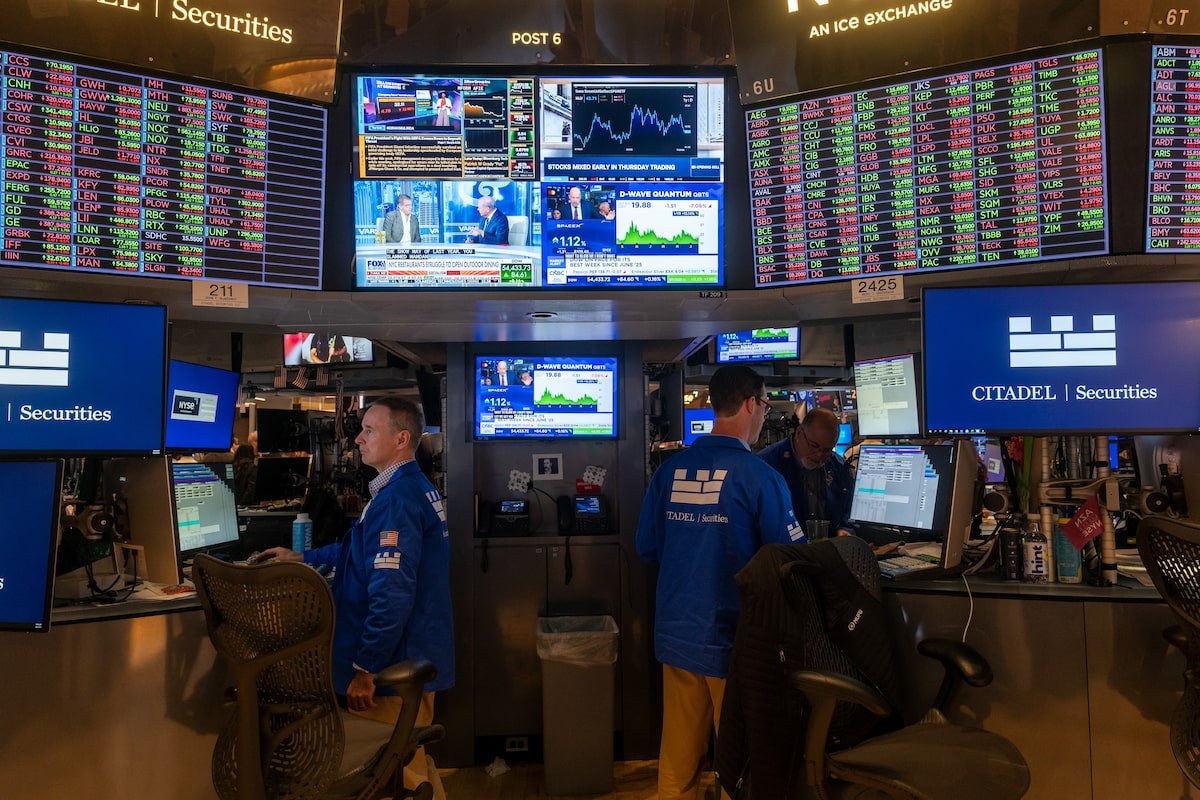
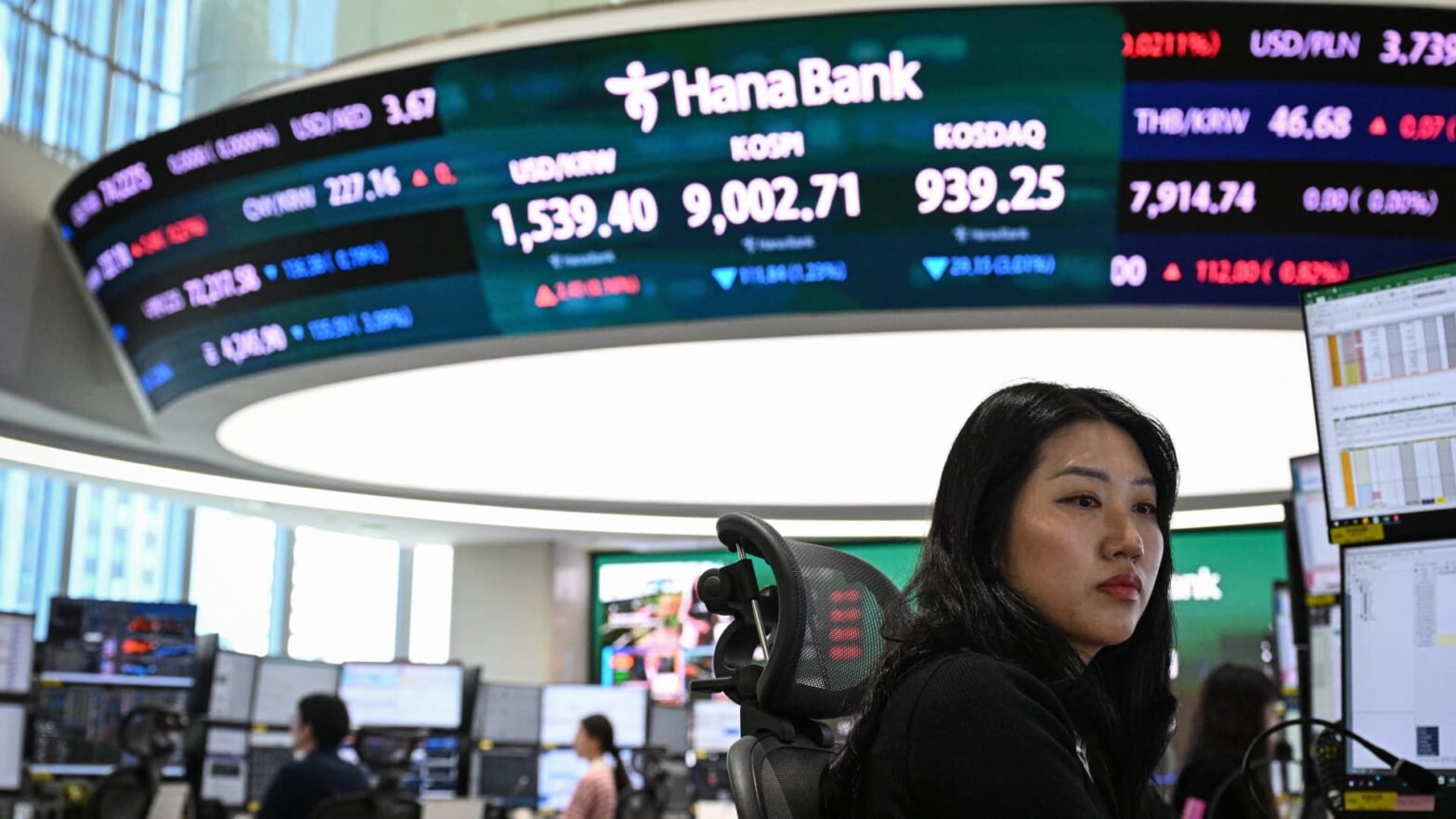
According to the New York Times, last week’s stock markets tanked, making headlines as major indexes were affected. Although Denzel said to be successful in investing, it’s less about stock trends and more about understanding long-term risk.
“The idea that the only way we get higher returns on average in the long run is to bear more risk, unless you have some truly spectacular edge on information or some supercomputer that nobody has,” Detzel said. “In general, you shouldn’t be trying to time the market [or] outsmart the market.”
Detzel recommends that students who are able to go into stocks consider low-cost, diversified index funds that not only track the U.S. market but also track the broader, global market. Despite this, he advises against investing borrowed money or ignoring any high-interest credit debt.
“You know, if you’ve got a credit card balance at all, you should not even be thinking about stocks,” Detzel said.
Detzel also emphasized that students who may be nervous or are against the stock market should not entirely avoid it.
“The way to conquer that is not to go from zero to 100% stocks,” Detzel said. “It’s to go from 0%, open up an account, start 5% stocks, and invest in … parts of a broad market index fund. Start there. Start small until you get comfortable. You’ll start paying more attention to them. You’ll start to figure out what they mean.”
Arcadia, Calif., sophomore Arthur Xu started investing in stocks at 18 years old and was exposed to it through video games.
“They had a marketplace where you could keep track of the way prices could change on a daily basis,” Xu said.
Many students like Xu experimented with buying stocks and monitoring the price changes.
“I’ve sold most of my stocks because my old strategy was I kept track of a lot,” Xu said. “So it’s kind of like day trading, I guess, but just on a smaller scale, but now I don’t have time to track prices all too much.”
Detzel said many young student investors lose money due to the temptation of the market to make quick money rather than a long-term strategy.
Xu said he was living proof of this, explaining that he wanted to make quick money and paid the price.
“I’ve done some stupid stuff, and I lost around like $600,” Xu said.
Detzel said patience is key for students who are trying to navigate tuition, future expenses and financial insecurity.
“This is not an exercise in gambling,” Detzel said. “If you’re going to invest in stocks, be prepared to invest for a long time — years, even decades. You have to ask yourself: what is your risk appetite, and what is your time horizon? It’s about being honest with yourself and figuring out your situation and your motivation for wanting to invest at all.”