US stock market today opened split. The Dow Jones Industrial Average surged to 49,656.92, up 174.77 points (0.35%). Meanwhile, the S&P 500 slipped to 6,926.53, down 19.60 points (0.28%), and the Nasdaq Composite dropped 146.26 points (0.63%) to 23,005.82.
That divergence tells a bigger story. Investors rotated out of mega-cap AI and tech stocks even after blockbuster earnings from Nvidia. The Dow, which has less exposure to high-growth tech, benefited from defensive and industrial strength. In contrast, the Nasdaq and S&P 500 faced pressure as traders reassessed AI valuations, interest rate expectations, and economic signals.
The main driver? Nvidia shares fell more than 2% at the open despite beating revenue, profit, and forward guidance estimates. Markets wanted clarity on AI demand sustainability and China-related revenue risks. They did not get enough detail. That uncertainty triggered selling in tech-heavy indexes.
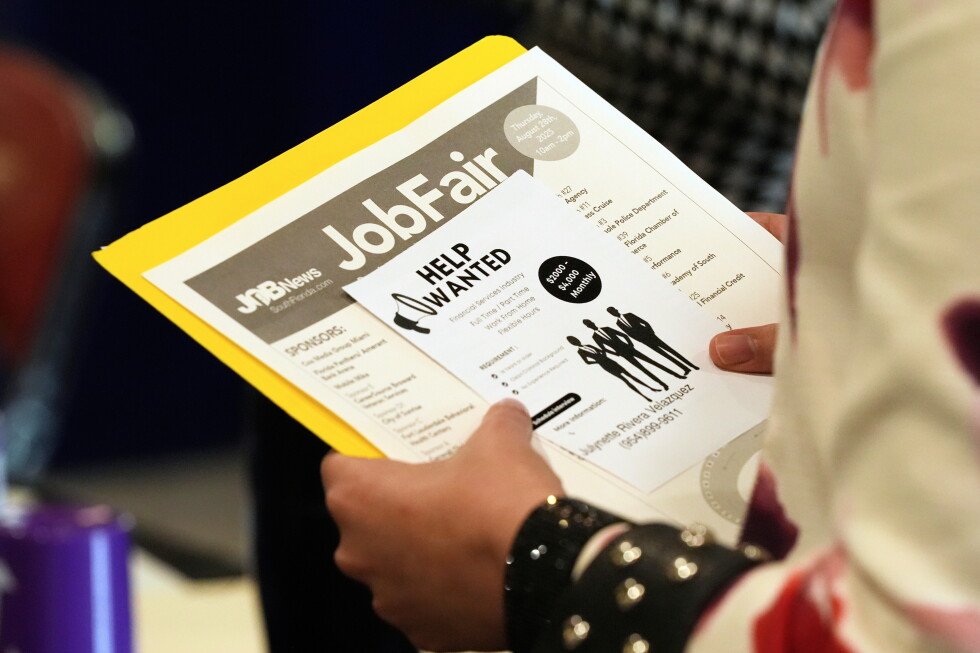
At the same time, fresh labor market data showed 212,000 initial jobless claims, slightly above last week’s 208,000, while continuing claims fell to 1.83 million. That mixed economic data added to cautious sentiment ahead of January wholesale inflation numbers.
US stock market today: why did the Dow rise while the Nasdaq and S&P 500 fell?
The Dow’s strength reflects its composition. Unlike the Nasdaq, which is heavily weighted toward technology stocks, the Dow includes more industrial, healthcare, and consumer-focused companies. When investors rotate away from high-growth AI names, the Dow often benefits.
Today’s move highlights sector rotation. Tech giants dragged the Nasdaq lower. Meanwhile, traditional sectors showed relative resilience. Defensive positioning ahead of inflation data also helped the Dow outperform.
Nvidia’s earnings initially looked stellar. The chipmaker beat Wall Street expectations on both revenue and profit. It also guided higher for the next quarter. However, investors questioned the sustainability of AI infrastructure spending. Analysts also flagged the lack of detail about potential China revenue exposure.
This matters because Nvidia has been a key engine behind the 2025 stock market rally. When Nvidia wobbles, the Nasdaq reacts immediately. The Dow, less dependent on AI momentum, moves differently.
Is the AI trade losing momentum?
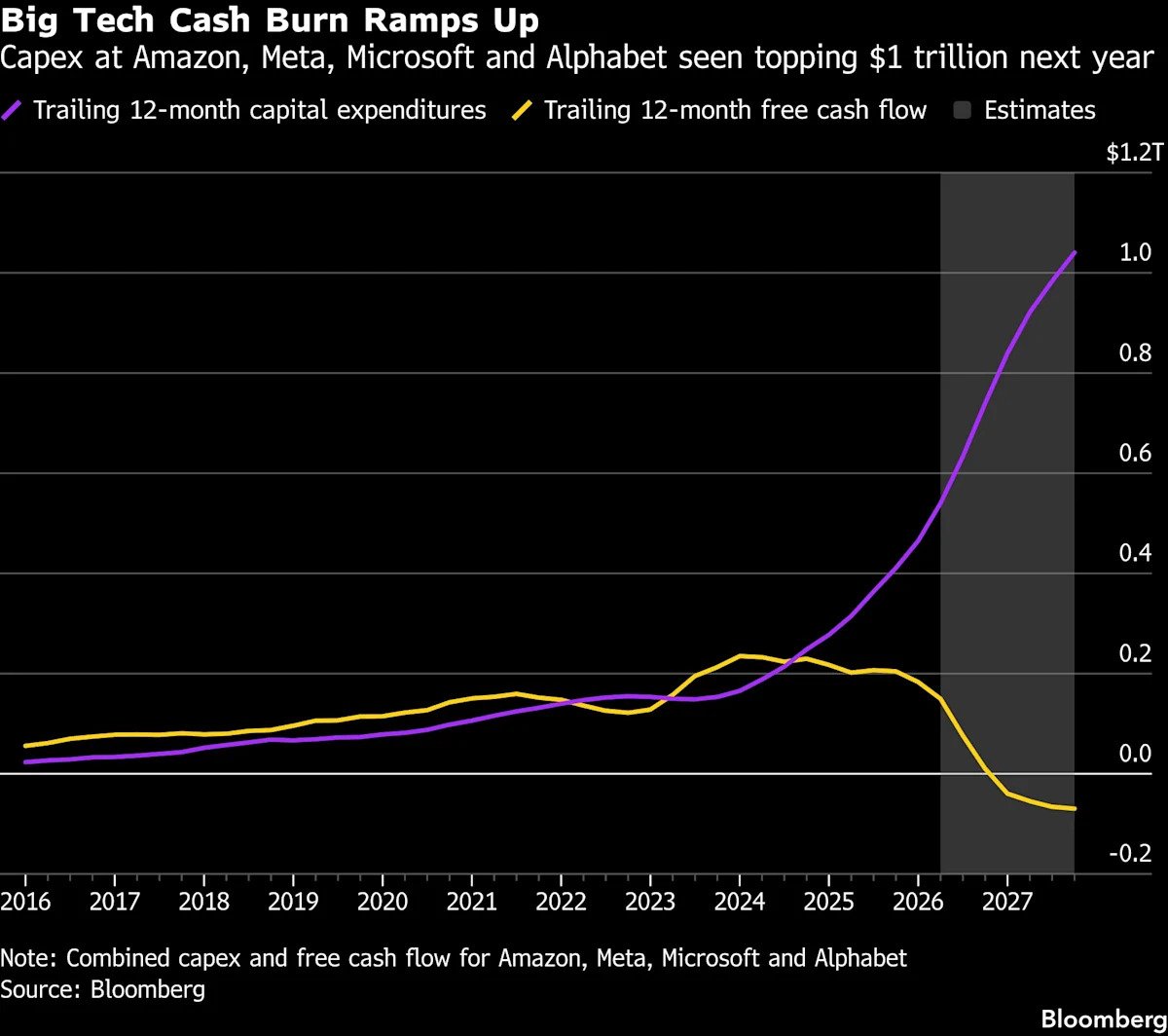
The so-called “AI bubble” debate resurfaced quickly. Investors are asking whether the AI buildout cycle can maintain its pace. Nvidia’s slight pullback suggests that even strong earnings are not enough if expectations are extremely high.
Salesforce shares initially fell about 4% after issuing a softer revenue forecast. The company later recovered some losses after CEO Marc Benioff reassured investors about AI strategy. That volatility reflects broader nervousness in the technology sector.
Meanwhile, Nutanix jumped over 15% in premarket trading after posting strong quarterly results and announcing a multiyear partnership with AMD. AMD committed a $250 million investment tied to AI development efforts. However, AMD stock itself slid 1.5%, partly influenced by Nvidia’s mixed reception.
This mixed performance shows that investors are no longer buying AI stocks blindly. They now demand clear monetization paths, sustainable margins, and geopolitical clarity. The “AI scare trade” has added volatility across the Nasdaq.
What do jobless claims and inflation signals mean for interest rates?
Macroeconomic data added another layer to the US stock market today narrative. Initial jobless claims rose modestly to 212,000. That was below economist expectations of 216,000 but above last week’s 208,000. Continuing claims fell to 1.83 million from 1.87 million.
This suggests a labor market that is cooling but not collapsing. Employers are cautious. Hiring is slowing. But layoffs remain contained.
Investors are now focused on January wholesale inflation data. That report could influence Federal Reserve rate-cut expectations. If inflation remains sticky, rate cuts may be delayed. That would pressure growth stocks, particularly tech names that rely on lower borrowing costs and future earnings expansion.
Interest rate sensitivity explains why the Nasdaq fell more sharply than the Dow. Growth stocks typically react more aggressively to rate outlook shifts.
How are earnings and commodities shaping broader market sentiment?
Beyond Nvidia, earnings were mixed. Stellantis reported a massive $26 billion full-year loss driven by electric vehicle-related charges. Warner Bros. Discovery posted declines in revenue and earnings per share. Dell and CoreWeave remain in focus as investors assess AI infrastructure demand.
Commodities also moved lower. WTI crude fell to $64.31 per barrel, down 1.70%. Brent crude slipped to $69.53. Gold declined 0.77% to $5,185.80. Silver dropped sharply by 4.77%. Lower oil prices often signal demand concerns, reinforcing economic slowdown fears.
US stock market today: Active movers
The US stock market today saw heavy action in high-volume stocks as investors reacted to earnings, AI momentum, and sector rotation. Nvidia (NVDA) fell 3.05% to $189.60 on 34 million shares traded, despite strong earnings, signaling pressure on the AI trade. Eos Energy (EOSE) plunged 34.95% to $7.24 amid sharp volatility. Nu Holdings (NU) dropped 6.43% to $15.58 as fintech stocks pulled back. Trade Desk (TTD) slid 13.44% to $21.78, reflecting ad-tech weakness. VICI Properties (VICI) eased 2.96% to $29.34 as REITs faced rate uncertainty.
Butterfly Network (BFLY) jumped 49.19% to $4.63 on strong momentum buying. IonQ (IONQ) surged 19.14% to $40.02 as quantum computing stocks rallied. Joby Aviation (JOBY) gained 7.03% to $10.51 on renewed eVTOL optimism. Healthcare Triangle (HCTI) soared 39.41% to $8.10 in speculative trading. D-Wave Quantum (QBTS) rose 4.63% to $20.56, reflecting continued investor interest in quantum technology plays.