The U.S. stock market has stumbled in 2026. The benchmark S&P 500 (SNPINDEX: ^GSPC) has fallen more than 3% even though most companies reported better-than-expected earnings in the fourth quarter.
Investors are worried about valuations, especially among artificial intelligence stocks. In fact, the S&P 500 sounded an alarm in February: A popular valuation metric reached its highest level since the dot-com crash.
Will AI create the world’s first trillionaire? Our team just released a report on the one little-known company, called an “Indispensable Monopoly” providing the critical technology Nvidia and Intel both need. Continue »
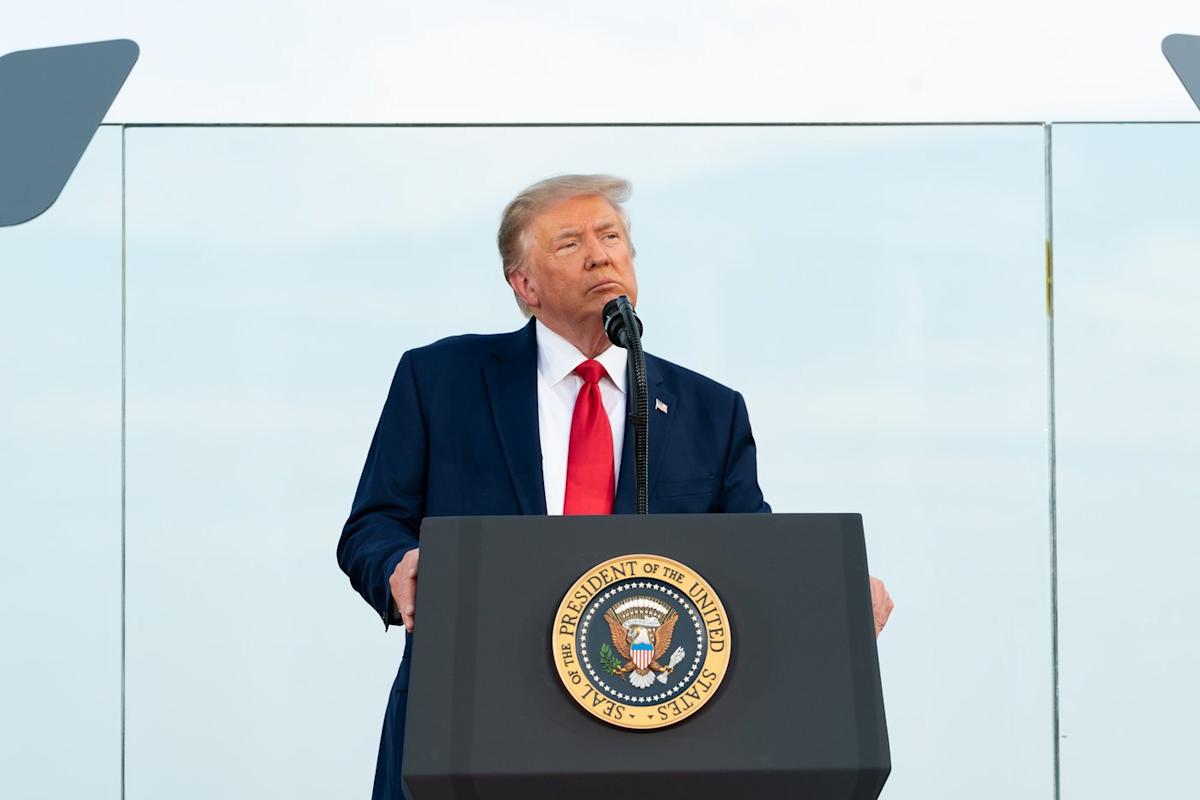
Meanwhile, uncertainty surrounding President Trump’s tax and trade policies has added to the sense of disquiet. While the administration has relentlessly promoted tariffs as a path to greater prosperity, recent economic data challenges that idea. Here’s what investors should know.

Trump says his tariffs are an “economic miracle” that brought America back from the brink of disaster. But recent data suggests his tariffs have actually been an economic headwind, just as countless experts predicted they would be.
Gross domestic product (GDP) increased 2.2% last year, the slowest economic growth since COVID-19 caused a recession in 2020. And excluding the pandemic, 2025 was the worst year for the U.S. economy since 2016, a particularly unsettling fact given that artificial intelligence spending accounted for more than one-third of GDP growth last year. In other words, GDP growth would have been dismal without AI.
Meanwhile, businesses navigated uncertainty created by Trump’s tariffs by hiring fewer employees. The U.S. economy added 181,000 in 2025, down from 1.5 million in the previous year. In fact, the jobs market has not been so sluggish since COVID-19 forced business closures in 2020. And excluding the pandemic, 2025 was the worst year for jobs growth since 2009.
Gas has generally become less expensive under Trump, but that changed when the U.S. and Israel attacked Iran. Brent crude oil prices (an international benchmark) have increased about 25% in the past week, and U.S. consumers are already paying more at the pump. The average price per gallon of unleaded gasoline is now at its highest level since the summer of 2024.
Slowing economic growth could be dismissed, or at least partially dismissed, as a product of the 43-day government shutdown in the fourth quarter. However, sluggish economic growth is harder to overlook when considered alongside the weak jobs market.