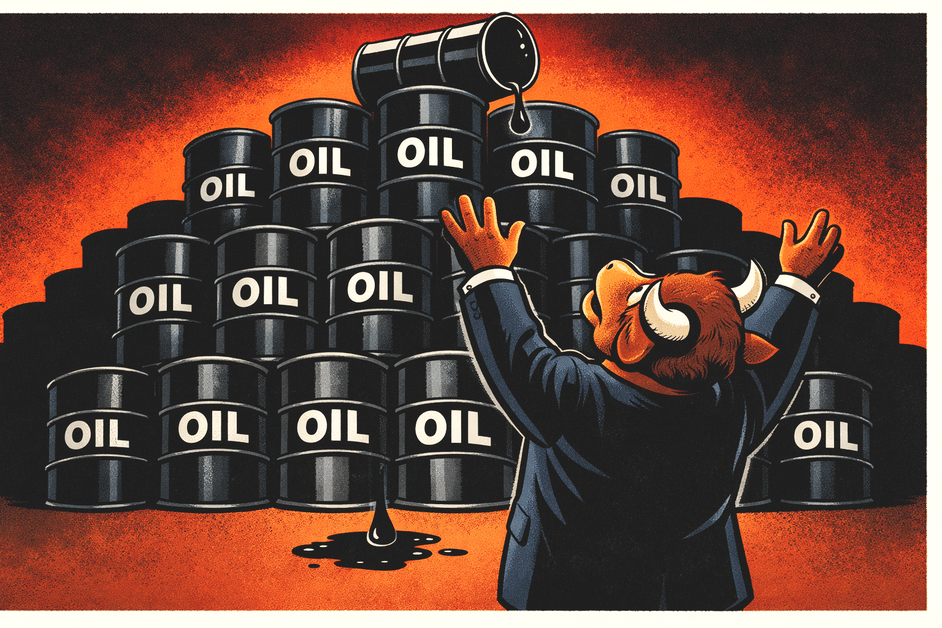
Cooling crude oil prices lifted stocks, but a chorus of top central banks led by the Fed may revive inflation fears.
- Crude oil prices edge down as Strait of Hormuz panic cools, calming inflation fears
- Stocks, bonds, and the dollar unwind some recent moves but trends remain intact
- The Fed takes top billing amid a slew of rate policy updates from top central banks
A pullback in crude oil prices at the start of the week has helped ease inflation fears and tentatively improve the mood across global financial markets. Underlying trends seem intact however, and a wave back-to-back policy updates from leading central banks has traders wondering whether this is the beginning of a broader recovery or merely a pause before the markets come under pressure once again.
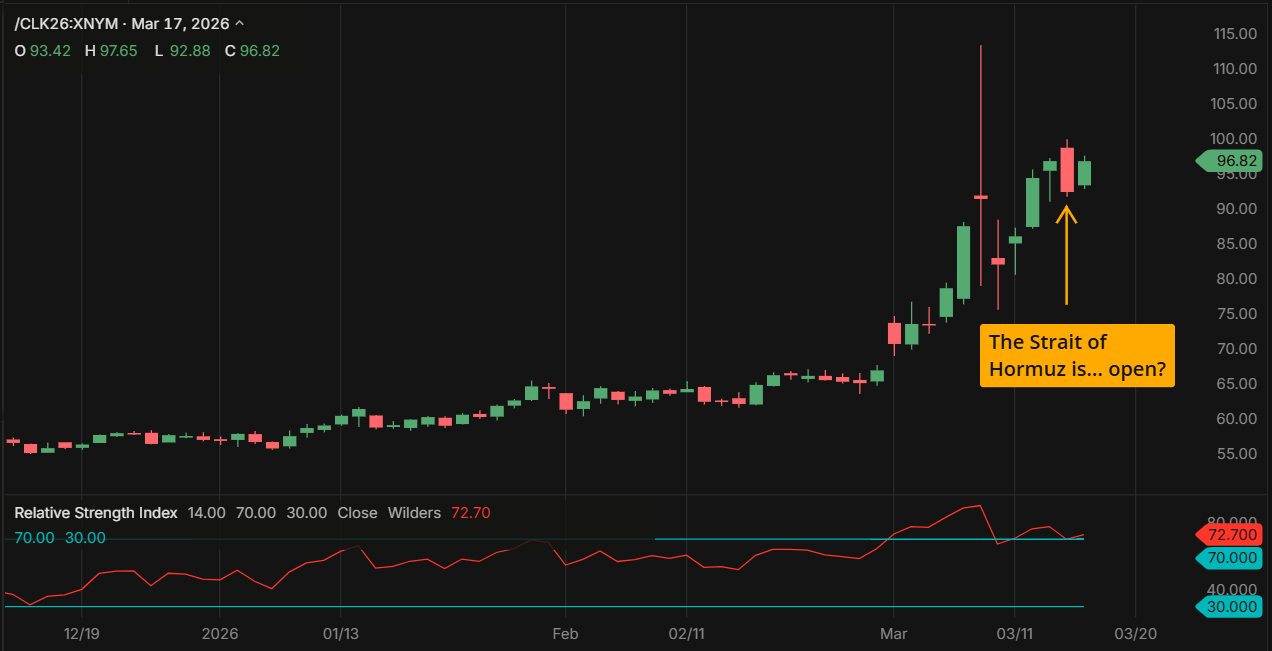
Oil prices fell after an initial gap higher at the weekly trading open. Gains coming out of the weekend probably reflected signs of escalating conflict in the Middle East. That’s after a US strike on Iran’s Kharg Islan, a critical node for controlling oil flows through the Persian Gulf.
However, comments from Iranian officials suggesting that the Strait of Hormuz remains open to most global shipping helped calm fears of a full-scale disruption. Iran’s Foreign Minister Abbas Araghchi said that the vital waterway is only shut to “enemy” ships, which seems to mean those of the US and Israel. As if to underline the point, two tankers carrying liquefied petroleum gas to India then sailed through the strait.
Has Iran defused market fears about the Strait of Hormuz?
Indeed, if oil continues to flow to major consumers like China, the world’s largest importer, then the risk of a severe global supply shock diminishes. Markets appear to have embraced that interpretation for the time being, prompting a pullback in oil prices and a corresponding easing of inflation fears.
That shift has rippled across asset classes. Treasury bonds rebounded, pushing yields lower, while the US dollar pulled back from recent highs against an average of its major currency peers. Equities have bounced as well, with the S&P 500 rebounding from a familiar range floor near the 6600 level.
Yet these moves appear corrective rather than transformational, at least for now. None of today’s moves marked a clear break from the trends developed since the beginning of the month amid the breakout of the US-Iran war. Instead, price action in stocks, bonds, and the dollar looks more like consolidation of recent trends rather than their reversal.
On balance, the markets continue to track crude oil price movements with a view to their implications for inflation and monetary policy, and especially that of the Federal Reserve. Expectations for what the central bank will do have shifted sharply in recent weeks, with traders sharply slashing rate cut bets.
All eyes on central banks, with the Fed front and center
This week’s policy update from the Federal Open Market Committee (FOMC) is likely to be critical. Officials may acknowledge the inflationary implications of higher energy prices and signal a more cautious stance on easing.
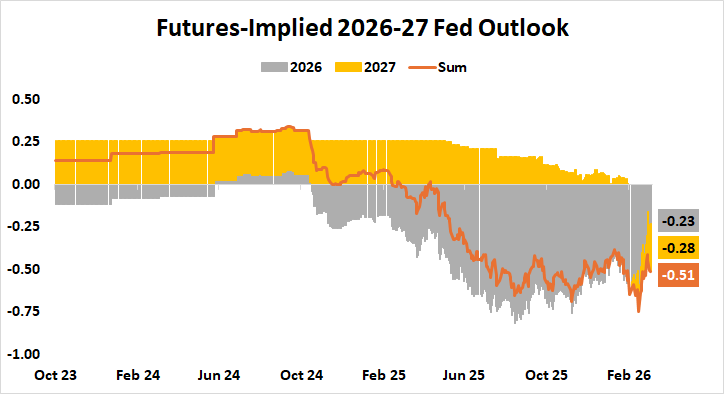
The broader global backdrop reinforces that risk. Traders have updated their priced-in expectations for other major central banks – from the European Central Bank (ECB) to the Bank of England (BOE) – to a more hawkish setting recently, reflecting the same inflation concerns driven in part by higher energy costs.
The Reserve Bank of Australia (RBA) pointedly warned that elevated uncertainty around the Middle East conflict could add to global and domestic inflation risks as it hiked its target cash rate by 25 basis points (bps) for a second time this year. The markets expect a third increase before the calendar turns to 2027.
For now, markets might appear to be “unclenching”—but not turning.
If oil prices stabilize or fall further, risk assets may find room to extend their recovery. But if energy markets tighten again or the Fed pushes back against easing expectations, the recent pullback may prove to be little more than an opportunity to re-enter positions aligned with the prevailing trend.
Ilya Spivak, tastylive head of global macro, has over 15 years of experience in trading strategy, and he specializes in identifying thematic moves in currencies, commodities, interest rates and equities. He hosts Macro Money and co-hosts Overtime, Monday-Thursday. @Ilyaspivak
For live daily programming, market news and commentary, visit tastylive.com or @tastyliveshow on YouTube
Trade with a better broker, open a tastytrade account today. tastylive, Inc. and tastytrade, Inc. are separate but affiliated companies.
Options involve risk and are not suitable for all investors. Please read Characteristics and Risks of Standardized Options before deciding to invest in options.
© copyright 2013 – 2026 tastylive, Inc.