Why are US stock market futures rising now, and will Dow, S&P 500 and Nasdaq stay in green or go red again after US President Donald Trump address to the nation? This question is driving market attention as futures rise after the biggest one-day gain in nearly a year. Comments about a possible Iran war resolution lifted sentiment across global markets. Investors now watch economic data, oil prices, Federal Reserve signals, and the scheduled national address at 9 p.m. ET. The outlook remains tied to geopolitics, inflation expectations, and interest rate signals.
Why are US stock market futures rising now, and will Dow, S&P 500 and Nasdaq stay in green or go red again?
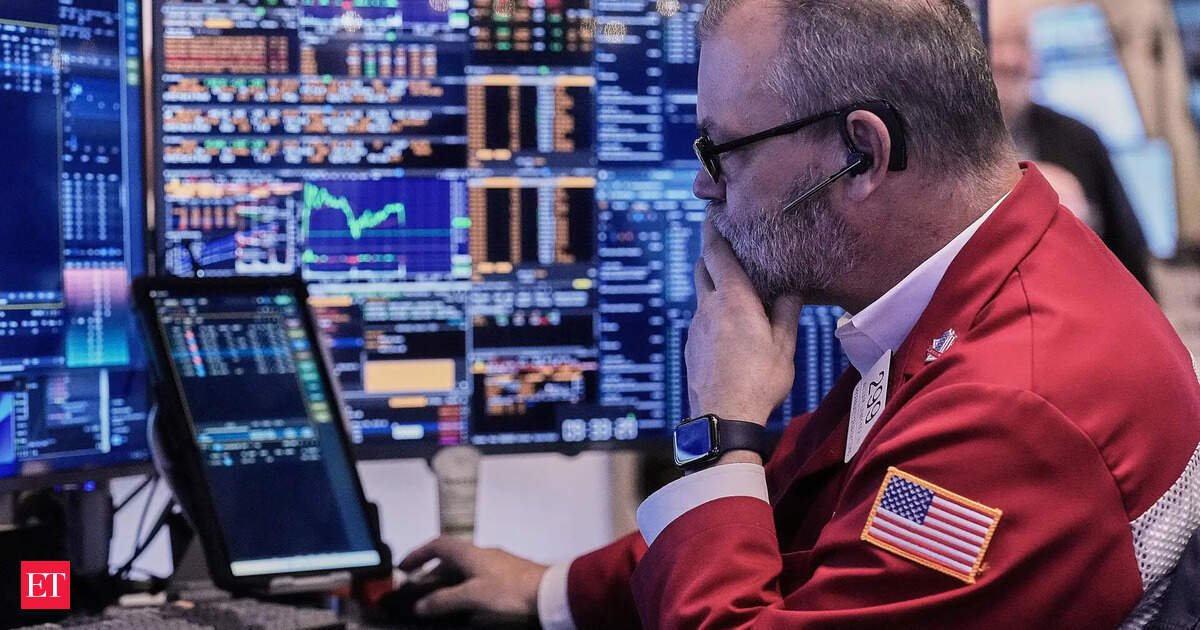
US stock market futures moved higher after signals that the Iran war could move toward talks and de-escalation, which reduced oil price pressure and eased inflation concerns. Global markets also gained, and the volatility index declined. Investors now focus on the national address, economic data, and Federal Reserve signals to judge whether the rally can continue or reverse.
Why are US stock market futures rising now?
Futures rose after signals that the Iran war could move toward talks and possible de-escalation. The previous session saw the largest one-day gain in nearly a year.
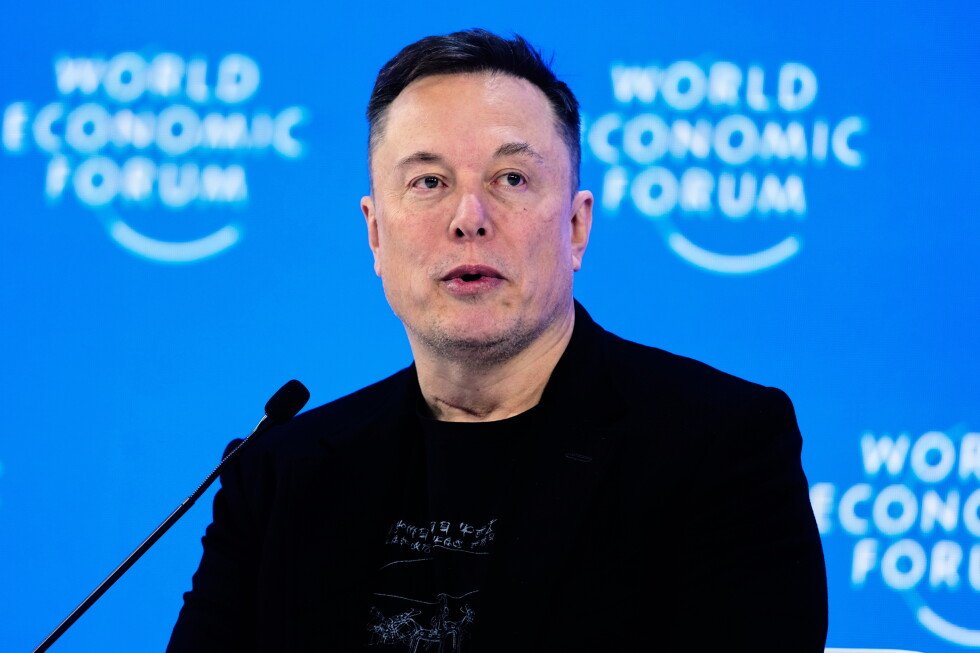
Dow futures rose 0.4%. S&P 500 futures gained 0.4%. Nasdaq futures increased 0.6%. Investors reacted to comments from the President and Secretary of State about possible direct talks with Iran and a winding down of the conflict.
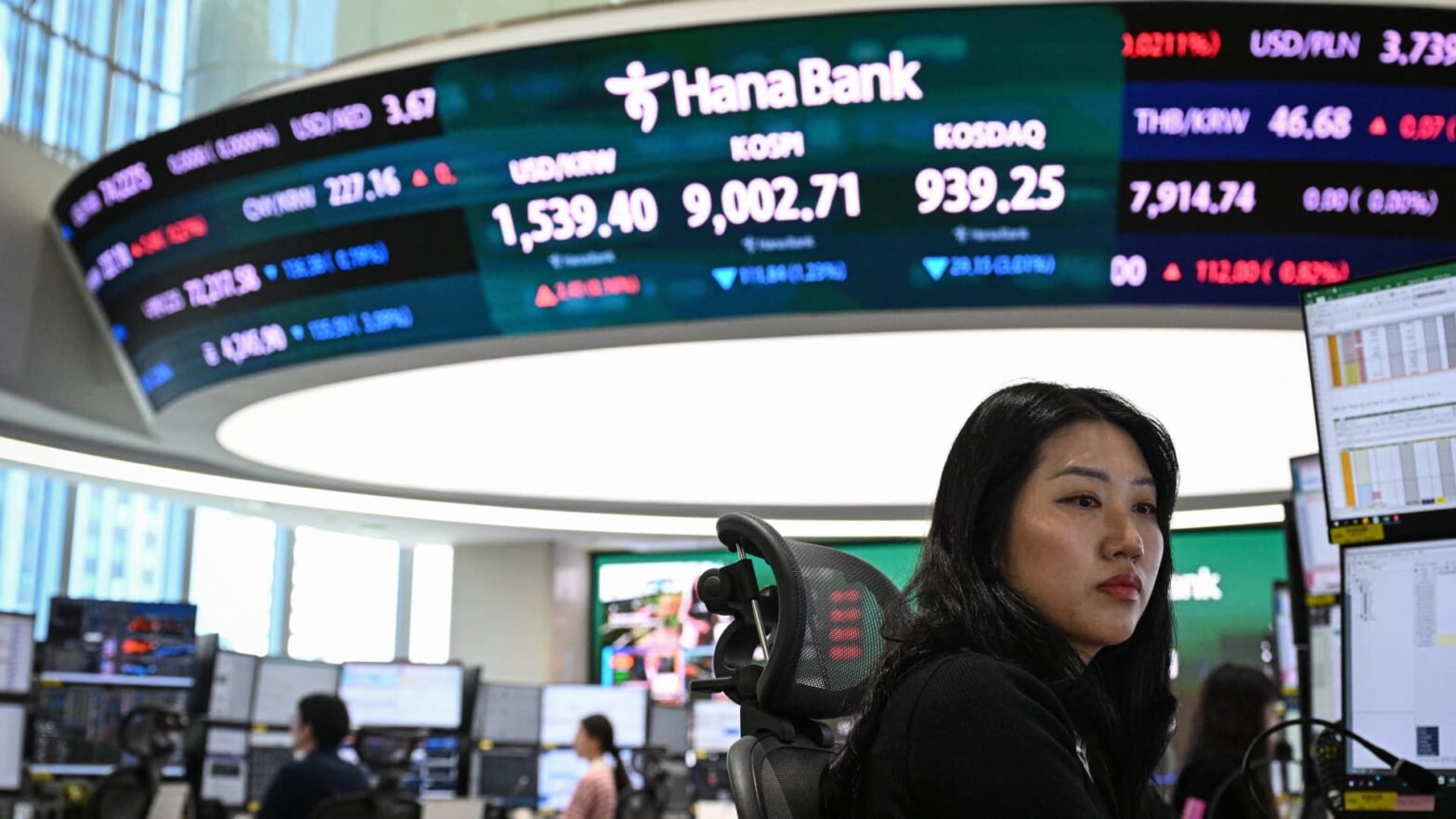
Global markets also moved higher. Europe’s STOXX 600 gained more than 2%. South Korea’s Kospi surged as much as 9%. Japan’s Nikkei climbed about 5%. Markets responded to hopes that shipping could resume through the Strait of Hormuz. The route is a major oil transit chokepoint.
Oil prices fell about 3% after rising since the war began in late February. Lower oil prices reduced inflation fears. This shift supported equity markets and improved risk sentiment.
Wall Street futures rise explained
Wall Street futures moved higher after signals of possible de-escalation in the Iran conflict reduced fears about oil supply disruption and inflation pressure. Lower oil prices supported risk sentiment, while global markets also rallied. Investors are now watching economic data, Federal Reserve commentary, and geopolitical updates to assess whether the upward momentum in futures can continue.
Will Dow, S&P 500 and Nasdaq stay in green or go red again after US President Donald Trump address to nation?
Investors now focus on the national address scheduled for 9 p.m. ET. The speech may shape short-term market direction. The CBOE Volatility Index dropped to a one-week low. This decline showed reduced fear in the market. However, uncertainty remains. Analysts warn that negotiations may take time. Energy flows may not return quickly even if talks begin.
Markets also consider recent losses. Despite the rally, the S&P 500 and Nasdaq recorded their steepest monthly declines in a year. The Dow posted its biggest monthly drop since September 2022. These losses show that volatility remains high.
US stocks to watch out for
Individual stocks also influenced sentiment. Nike shares dropped 10.4% after forecasting a surprise decline in fourth-quarter sales. RH shares fell 18.6% after missing revenue expectations and issuing weak growth guidance.
nCino shares jumped 20.8% after projecting strong first-quarter revenue and announcing a $100 million share repurchase program. Energy stocks moved lower in premarket trading. Exxon Mobil and Chevron fell about 2% each after oil prices declined.
Analysts insights and market outlook
Analysts say negotiation signals are positive but risks remain. UBS Global Wealth Management stated that hurdles remain before a full end to the conflict. Energy prices could stay elevated if the status of the Strait of Hormuz remains uncertain.
Investors are also watching economic data. Private payrolls, retail sales, and business activity surveys are due. These reports will show how the economy is performing. March private payroll figures will be released Friday, although markets will be closed for Good Friday.
Federal Reserve policy and economic data impact
Interest rate expectations have shifted due to war-driven inflation concerns. Money markets had removed expectations of Federal Reserve rate cuts this year. Before the war, investors expected two rate reductions. Comments from Federal Reserve officials Alberto Musalem and Michael Barr may provide clues about future policy. Economic data and inflation signals remain key drivers of market direction.
What should investors do now?
Investors are tracking geopolitical updates, oil prices, economic data, and central bank signals. Short-term direction may depend on the national address and upcoming data releases. Market volatility remains possible as uncertainty continues. Investors monitor global developments and corporate earnings guidance.
FAQs
Q1: What factors usually move US stock market futures before market open?
US stock futures move based on global markets, geopolitical updates, economic data releases, oil prices, corporate earnings, and central bank signals that influence investor expectations before regular trading begins.
Q2: How does a presidential address affect stock market performance?
A presidential address can influence markets by shaping expectations on policy, geopolitics, and economic outlook. Investors react quickly to new information that may change risk sentiment and future growth expectations.