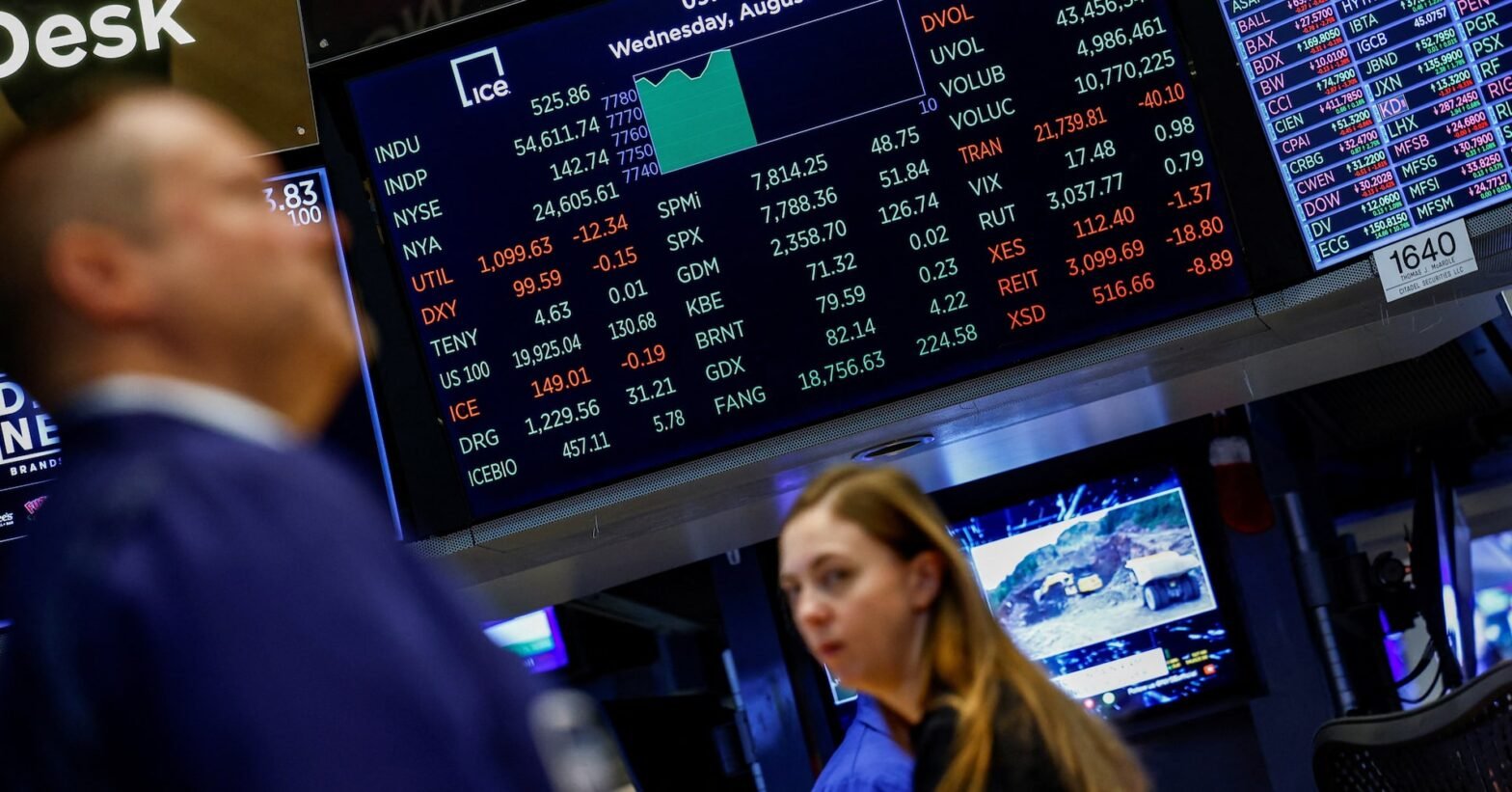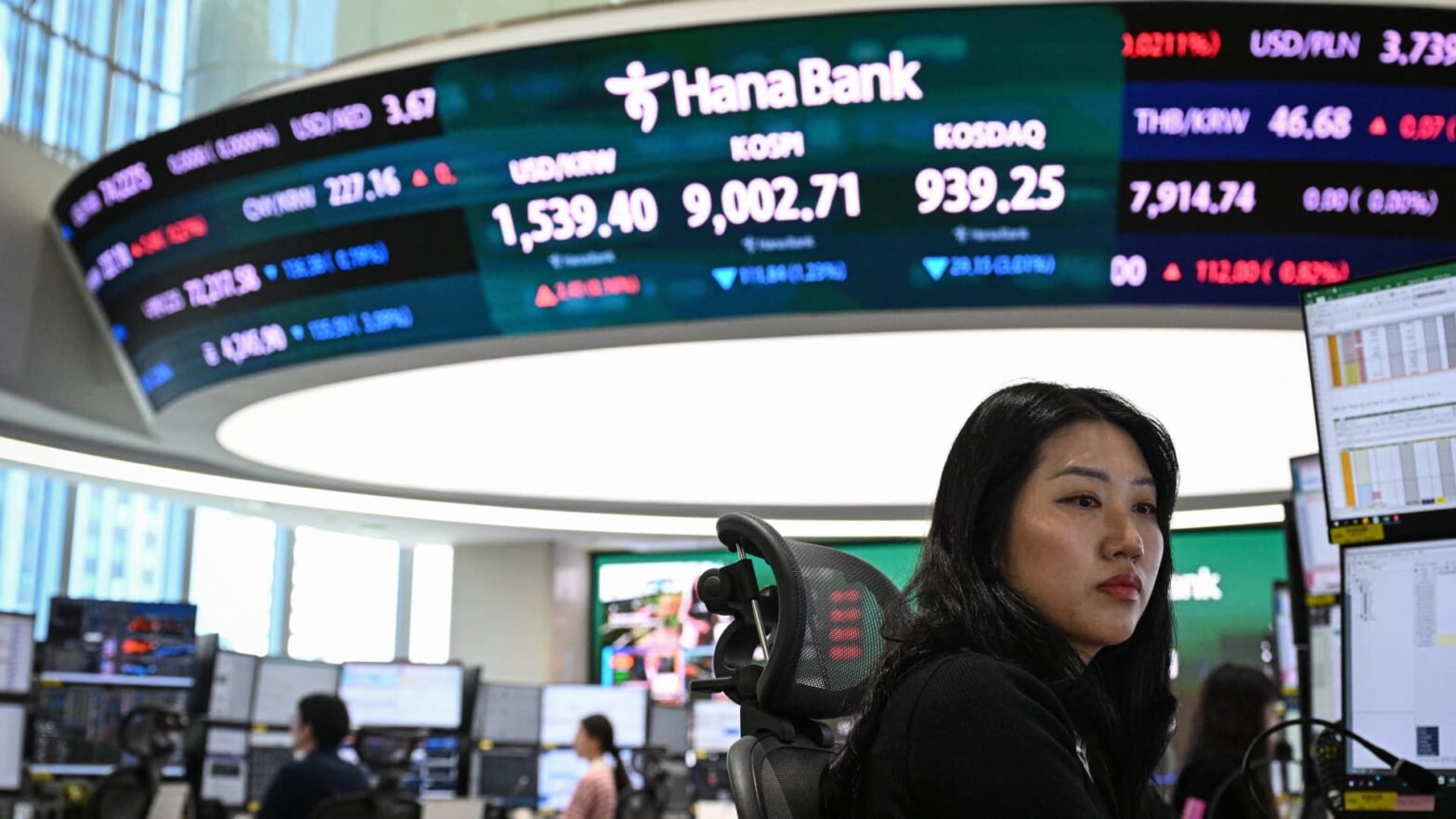

Since the end of February, the three major stock market indices — the Standard & Poor’s 500, the Dow Jones industrials and the Nasdaq composite — have fallen by a few percentage points.
One might ask: That’s all? Doesn’t the market know there’s a war on?
Yes, the stock market knows. It just doesn’t care as much as you might think it should.
It feels like this drawdown should be worse than this given everything going on in the world.
Ben Carlson
History tells us that we shouldn’t be all that surprised. Although geopolitical events like the launch of military actions tend to rattle the securities markets in the short term, investors eventually shift to the long view, assuming that these conflicts will eventually be resolved and the door reopened to bullish sentiment.
The major downturns of the past, such as the crashes of 1929, 2000 and 2008, have been caused less by external events than by business and investment internals, such as threats to economic structure — over-leveraging in the first, the dot-com crash in the second and the housing crash in the third. Those were genuine crashes, not short-term downturns.
The Iran war hasn’t yet taken on the coloration of an economic threat, although that bulks large on the horizon if the disruption of oil supplies created by the closing of the Strait of Hormuz continues or tightens or the Middle East energy infrastructure sustains more damage.
Indeed, two of the most severe downturns of recent times are associated with oil — the Arab oil embargo of 1973, following the Yom Kippur War, which brought the S&P 500 down by more than 16% over a period of about six weeks, and Iraq’s seizure of Kuwaiti oilfields in 1990, which caused a 16% drop in the S&P over about two months.
Let’s take a look at the condition of the stock market since the U.S. attacks on Iran began on Feb. 28, and then place it in the context of market behavior after other major events, dating back to the start of World War II.
Read more: Hiltzik: Betting on war? Why prediction markets like Kalshi and Polymarket are a problem
From Feb. 28 through Thursday’s trading close, the S&P lost 4.31%, the Dow, 5.05% and the Nasdaq, 3.57%. Those declines feel ugly, in part because they’ve occurred over a short time frame of about five weeks. But in the grand scheme of things, they’re modest.
“It feels like this drawdown should be worse than this given everything going on in the world,” Ben Carlson of Ritholtz Wealth Management posted last week. But Carlson observed that 5% pullbacks are common, in good times and bad — only three years since 1990 have gone without one.