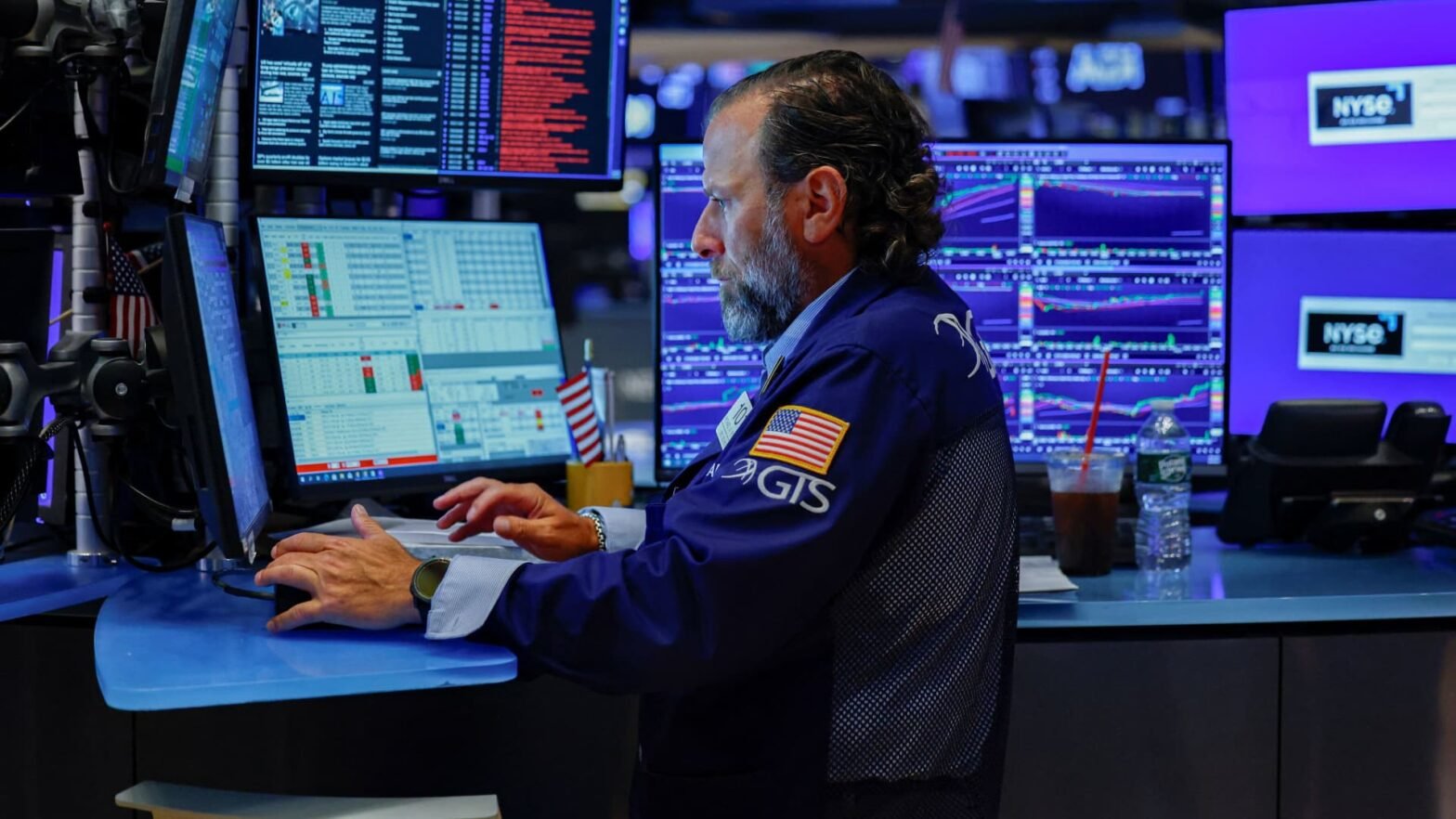
The U.S. stock market stumbled to start the year as investors contemplated weakness in the jobs market and a slowing economy. But the drawdown shifted into high gear when the U.S. launched military action against Iran, setting in motion a sequence of events that has pushed oil prices to a multiyear high.
The S&P 500 (SNPINDEX: ^GSPC) is currently 6% below its record high, but history says the index could fall much further. The average price per gallon of gasoline recently topped $4 for the first time since 2022. Past incidents where that threshold was broken have always been accompanied by substantial drawdowns in the stock market.
Will AI create the world’s first trillionaire? Our team just released a report on the one little-known company, called an “Indispensable Monopoly” providing the critical technology Nvidia and Intel both need. Continue »
Here’s what investors should know.

The U.S.-Iran war has effectively closed the Strait of Hormuz, a waterway in the Persian Gulf that serves as a transit route for about 20 million barrels of oil each day, representing more than 20% of global supply.
Since the conflict began in late February, WTI crude oil futures (the primary benchmark for U.S. oil prices) have increased nearly 90% to $112 per barrel. Oil has not been so expensive since June 2022. And consumers are already paying more at gas stations nationwide.
As of April 5, the average price per gallon of regular gasoline was $4.11 per gallon, the highest level in four years. In fact, the national average has only topped $4 per gallon during two periods in history: the summer of 2008, and the spring and summer of 2022.
Consumer spending is the main engine of economic expansion. When gas prices increase, consumers have less money to spend elsewhere, which creates a drag on GDP growth. The stock market is a reflection of the economy, so the S&P 500 can fall sharply when gas prices rise.
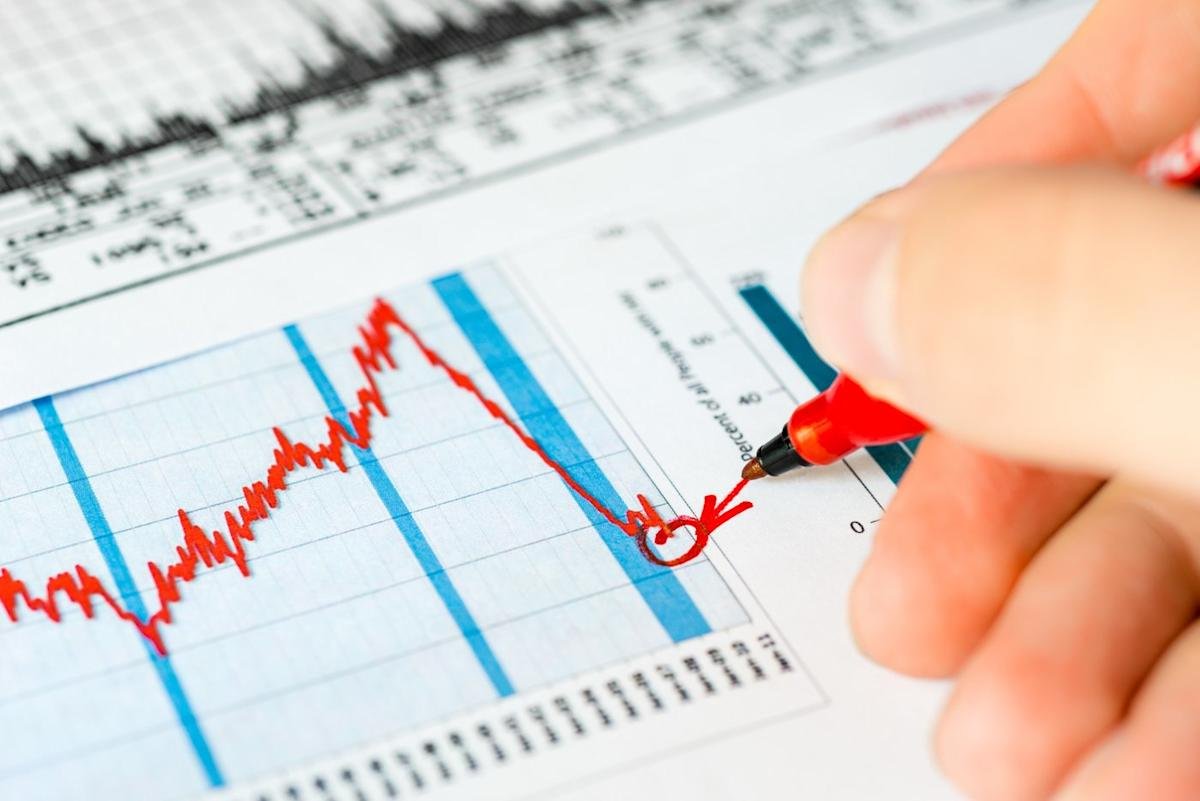
Indeed, the S&P 500 suffered a bear market both times the average gas price topped $4 per gallon in the past, with an average peak-to-trough decline of 41%. So, while the S&P 500 is only 6% below its record high today, history says the index could decline much further.
Goldman Sachs strategists recently warned that persistent disruptions to global oil supplies could drag the S&P 500 down to 5,400 in 2026. That prediction represents a 22% decline from its January peak of 6,979, meaning the index would enter a bear market.