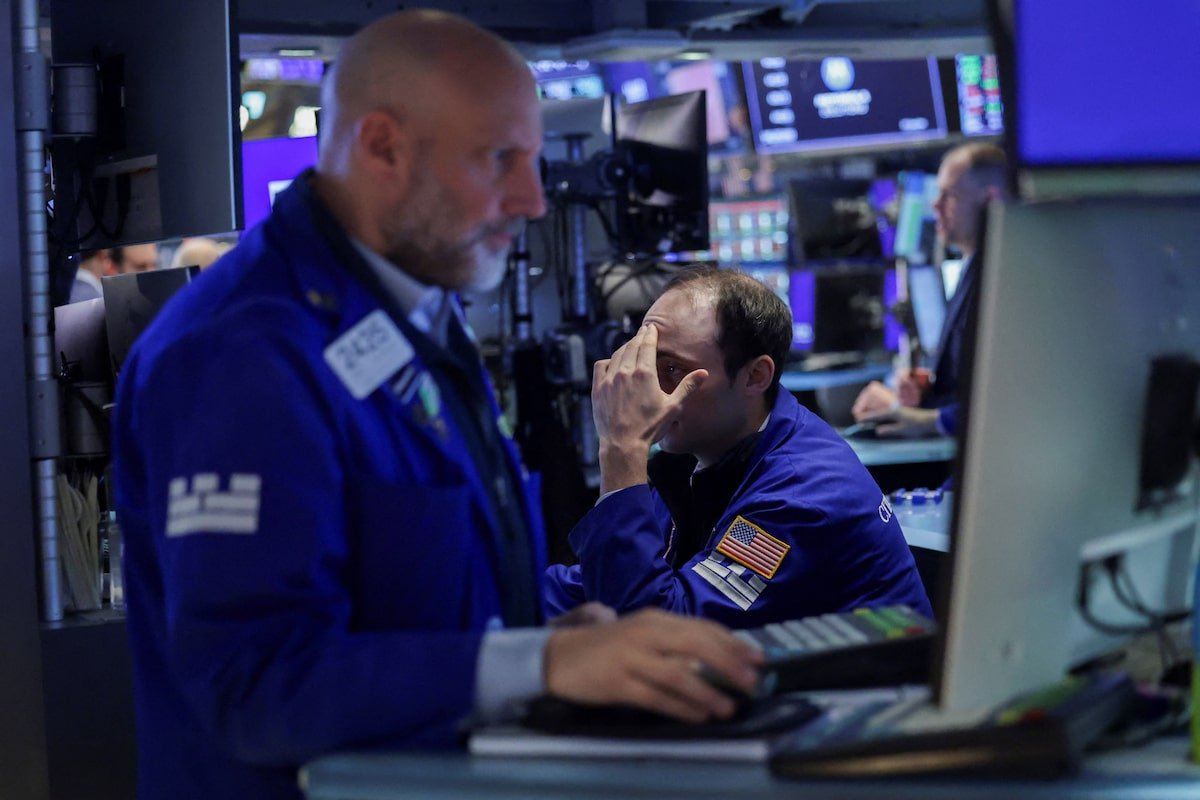
Canada’s main stock index inched lower on Friday and was set for a weekly decline, as heavyweight energy stocks fell amid uncertain prospects of a resumption of U.S.-Iran negotiations.
At 10:38 a.m. ET, the Toronto Stock Exchange’s S&P/TSX composite index was down 53.38 points, or 0.16 per cent, at 33,859.36.
The index is set for its first weekly decline in four, as little progress on the prospects of peace in the Middle East dampened investor sentiment.
Iran’s foreign minister Abbas Araqchi was expected in Islamabad on Friday, although there was no indication that negotiations would immediately resume.
Oil prices fell following the news of the expected visit, but held above $100 a barrel. The TSX energy sector fell 1.3%, after four sessions of gains.
Miners gained 0.1%, tracking gold and silver prices. But a decline in copper prices kept a lid on the advance.
Six out of the 11 TSX sectors were flat-to-lower. Healthcare stocks were the biggest percentage gainers, up 2%.
Angelo Kourkafas, senior global investment strategist at Edward Jones, said that sensitivity of the TSX to oil prices had reduced as investors expected corporate profits to rise and since the economy appeared to be resilient.
A majority of economists polled by Reuters expect the Bank of Canada to remain on hold through the year, in contrast to LSEG data that shows markets pricing in a rate hike by end-2026.
The BoC might have to reassess its plans to hold if high energy prices persist into the second and third quarters, Kourkafas said.
Canadian retail sales rose 0.7% in February, slightly below estimates of 0.9%, according to economists polled by Reuters.
Among stocks, Sun Life Financial gained 1.7% after the National Bank of Canada upgraded the stock to “outperform.”
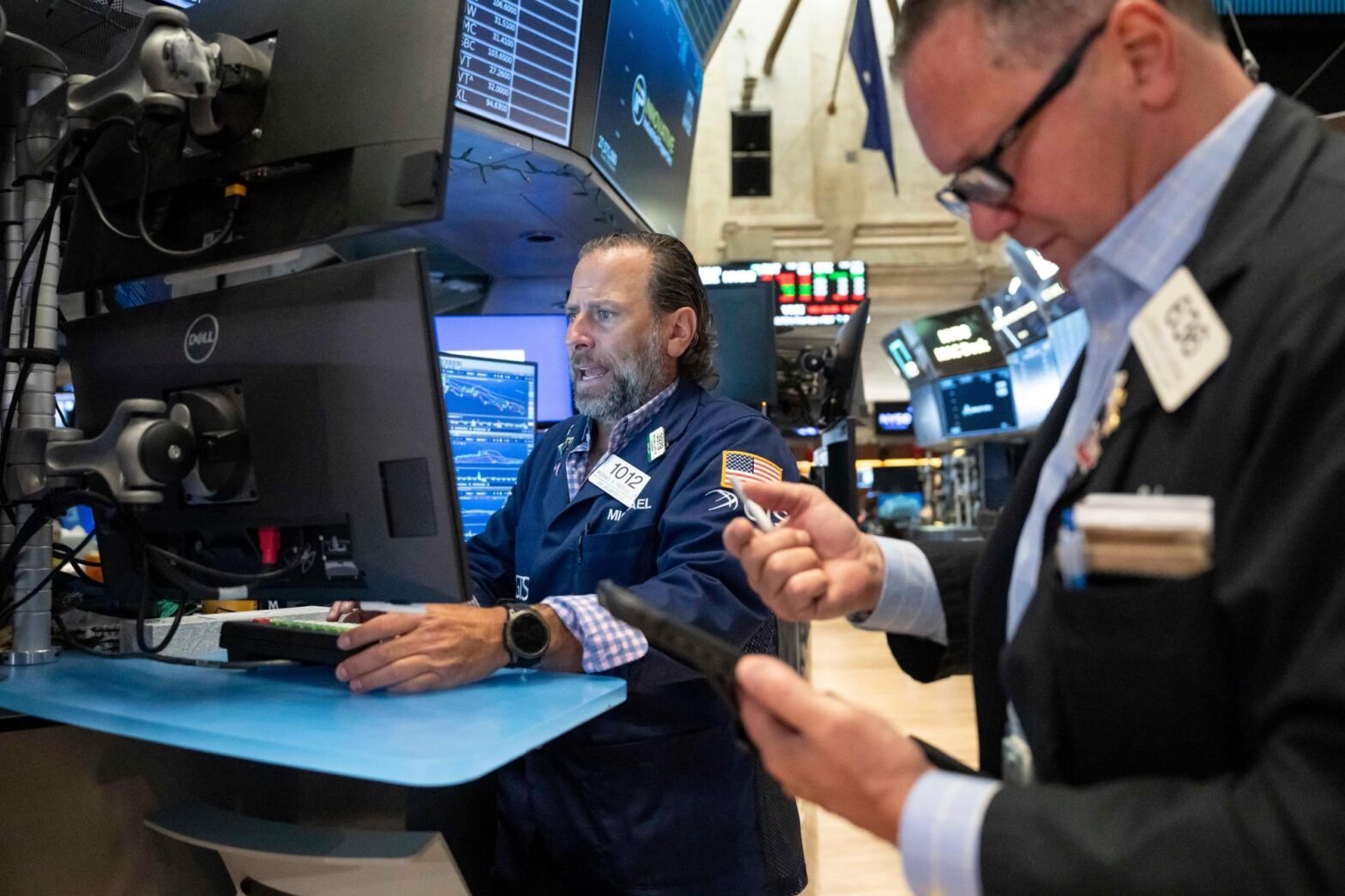
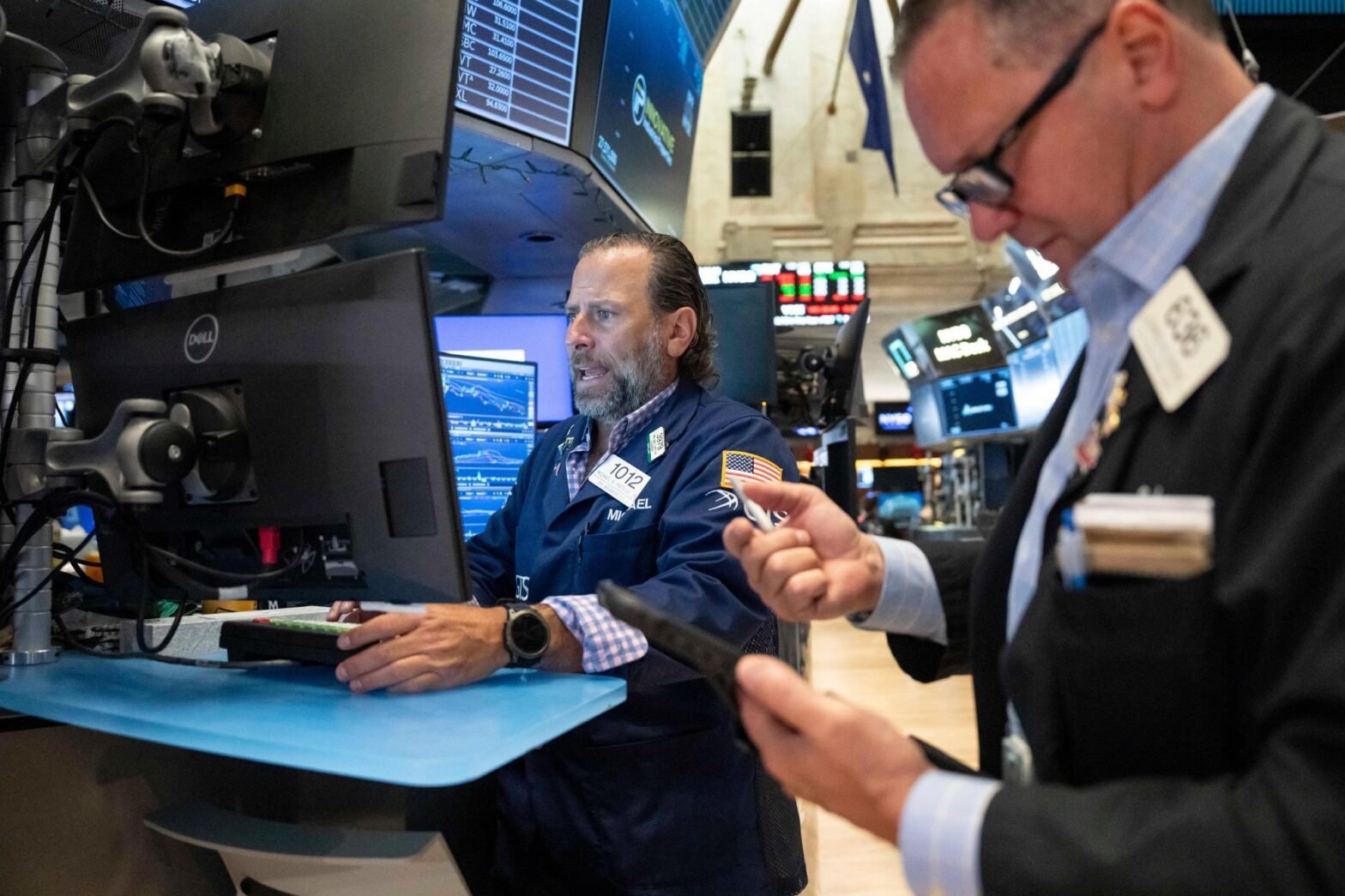
A surge for Intel following a blowout profit report is leading technology stocks higher Friday, while oil prices keep swinging in the wait for what’s next with the Iran war.
The S&P 500 added 0.2% and inched near its all-time high set on Wednesday, even though most stocks within the index fell. The Dow Jones Industrial Average was down 177 points, or 0.4% and the Nasdaq composite was 0.7% higher.
Intel led the way and is potentially heading for its best day since 1987. It jumped 24.3% after reporting much stronger results for the first three months of the year than analysts expected. CEO Lip-Bu Tan said the next wave of artificial-intelligence technology is increasing the need for Intel’s chips and products, and the company’s forecast for profit in the spring topped analysts’ estimates.
Such strong profit reports have helped Wall Street rally to records, and the S&P 500 has leaped more than 12% in a little under a month. Hopes have also built in financial markets that the United States and Iran can find a way to avoid a worst-case scenario for the global economy because of their war.
A ceasefire is tenuously in place between the two, but tensions between them are still keeping oil tankers from passing through the Strait of Hormuz to deliver crude from the Persian Gulf to customers worldwide. Oil prices climbed this week on worries about the strait, but a potentially encouraging signal came Friday after Iran’s state-run IRNA news agency confirmed Iranian Foreign Minister Abbas Araghchi was heading to Pakistan for talks.
The price for a barrel of Brent crude to be delivered in June yo-yoed between roughly $103 and $107 in the morning and most recently was up less than 0.1% at $105.09. The price for Brent delivered in July, which is the more popular contract for traders, fell 0.2% to $99.12.
On Wall Street, Procter & Gamble rose 3.7% after reporting stronger profit for the latest quarter than analysts expected. CEO Shailesh Jejurikar said it saw broad-based growth across regions and products, which include Bounty paper towels and Tide detergent.
That helped offset a drop of 19.6% for Charter Communications, whose profit for the latest quarter came in weaker than analysts expected. It lost 120,000 internet customers during the three months, more than some analysts expected.
Hartford Insurance Group fell 2.3% after reporting profit growth for the latest quarter that fell short of analysts’ expectations.
In the bond market, Treasury yields eased after a report said sentiment among U.S. consumers remains sour. A survey by the University of Michigan found weaker sentiment in April across political party, income, age, and education, though it improved a bit after the ceasefire in the war with Iran was announced earlier in the month.
The yield on the 10-year Treasury dipped to 4.30% from 4.34% late Thursday.
In stock markets abroad, indexes slipped in much of Europe following a more mixed finish in Asia. Japan’s Nikkei 225 rose 1%, and France’s CAC 40 fell 0.8% for two of the world’s bigger moves.
The Associated Press and Reuters