One of the greatest aspects of putting money to work on Wall Street is the disproportionate nature of investing cycles. While bear markets are normal, healthy, and inevitable, bull markets last substantially longer. It’s why the Dow Jones Industrial Average (DJINDICES: ^DJI), S&P 500 (SNPINDEX: ^GSPC), and Nasdaq Composite (NASDAQINDEX: ^IXIC) ascend to new highs over extended periods.
But just because the Dow, S&P 500, and Nasdaq rise over the long term doesn’t mean things can’t get dicey over shorter time horizons.
Will AI create the world’s first trillionaire? Our team just released a report on the one little-known company, called an “Indispensable Monopoly” providing the critical technology Nvidia and Intel both need. Continue »
We’re less than three weeks away from a historic change at the Federal Reserve, which has the potential to materially shift the central bank’s and Wall Street’s narratives.

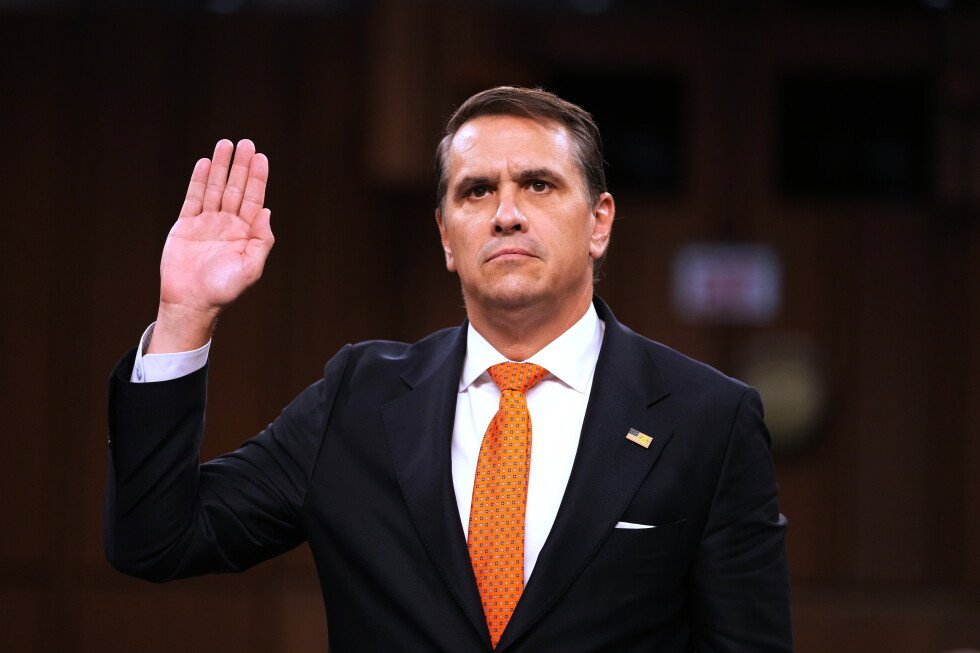
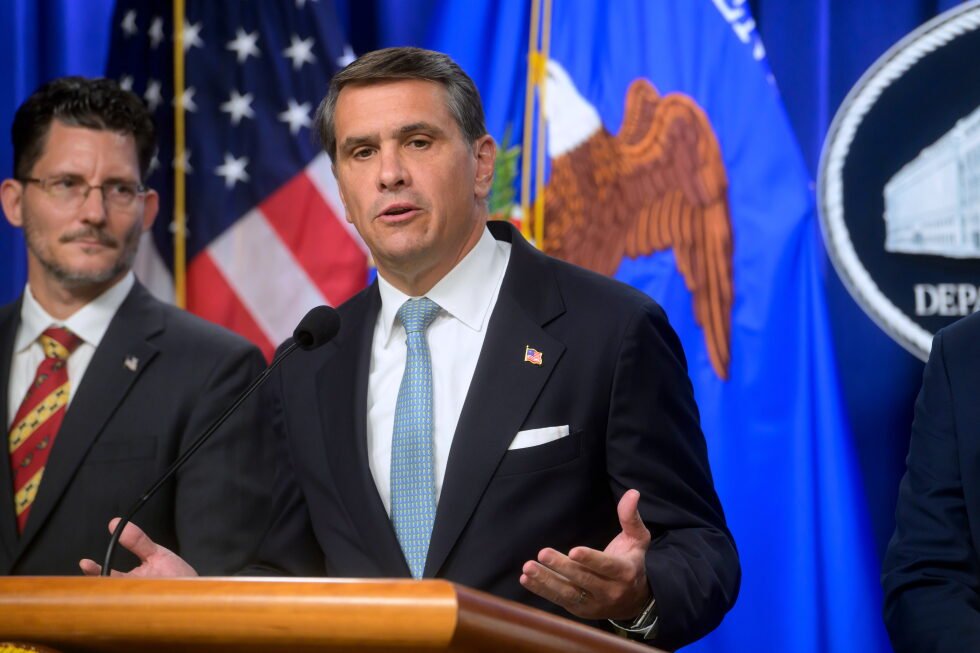
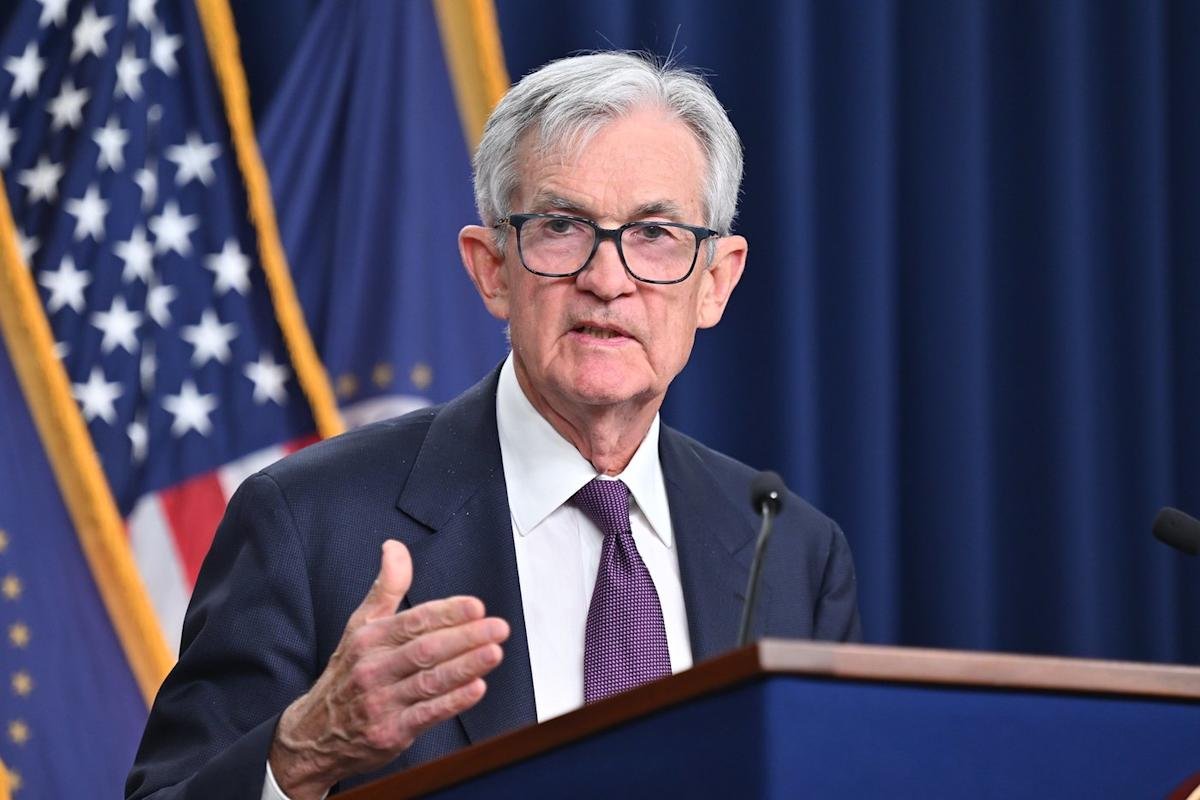
May 15 will mark the final day of Jerome Powell’s second term as Fed chair, and, presumably, the beginning of Kevin Warsh’s tenure as the head of the central bank.
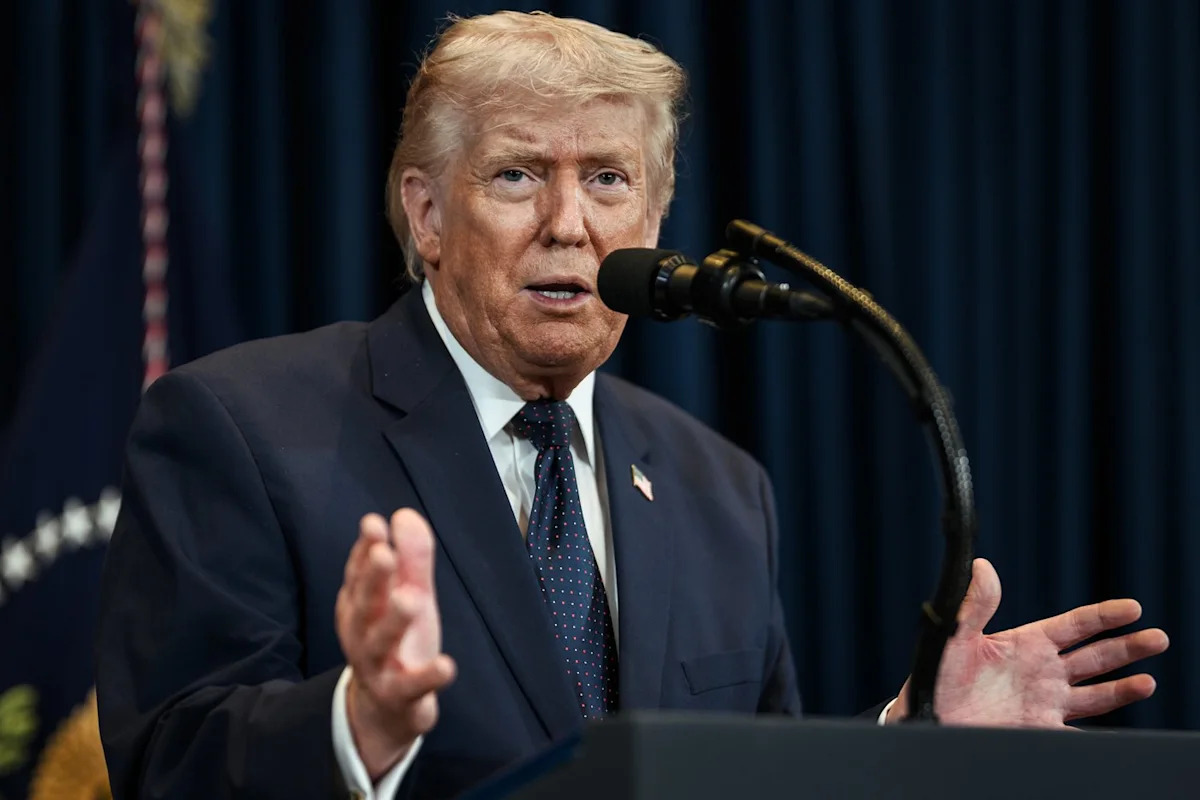
Since President Donald Trump took office for his second, non-consecutive term, he’s been especially critical of Powell’s stance on interest rates. Trump has repeatedly urged Powell and members of the Federal Open Market Committee (FOMC) to aggressively cut interest rates to 1% or lower. The FOMC is the 12-person entity, including Fed Chair Powell, that is responsible for setting U.S. monetary policy.
Trump’s vocal clashes with the current Fed chair led the president to nominate Kevin Warsh on Jan. 30 to succeed Powell.
While Wall Street and President Trump are both hoping for additional interest rate cuts from a Warsh-led Fed, history suggests this is unlikely.
Although members of the FOMC are focused on upholding the central bank’s dual mandate of stabilizing prices and maximizing employment, Kevin Warsh’s voting record as a previous FOMC member should give investors pause.
Warsh served on the Board of Governors of the Federal Reserve from Feb. 24, 2006, to March 31, 2011. This means he played an integral role in steering the ship through America’s worst economic crisis in decades (the Great Recession). Whereas most voting members of the FOMC pushed for rate cuts during the financial crisis, Warsh’s voting record and commentary point to a hawkish approach. In simple terms, Trump’s Fed chair nominee favored higher interest rates to suppress inflation, even as the unemployment rate soared.