NEW YORK, April 29, 2026, 13:02 EDT
- Major indexes fell—Dow, S&P 500, and Nasdaq all in the red—as traders braced for the Fed’s rate call and earnings from four big tech names set for later in the day.
- Microsoft, Alphabet, Amazon, and Meta all report after the bell, turning the spotlight squarely on the AI-fueled rally that’s been driving U.S. equities.
- Brent crude climbed past $118, inflation risk still looming ahead of what could be Jerome Powell’s last Fed meeting as chair.
Stocks in the U.S. slipped Wednesday, with the Dow Jones Industrial Average dropping the most as traders stepped back ahead of the Federal Reserve’s decision and a slate of major tech earnings that could shake up the market’s perspective on the AI-fueled run. According to the latest LSEG figures on Reuters, the Dow lost 0.59%, the S&P 500 was down 0.24%, and the Nasdaq Composite slipped 0.31%.
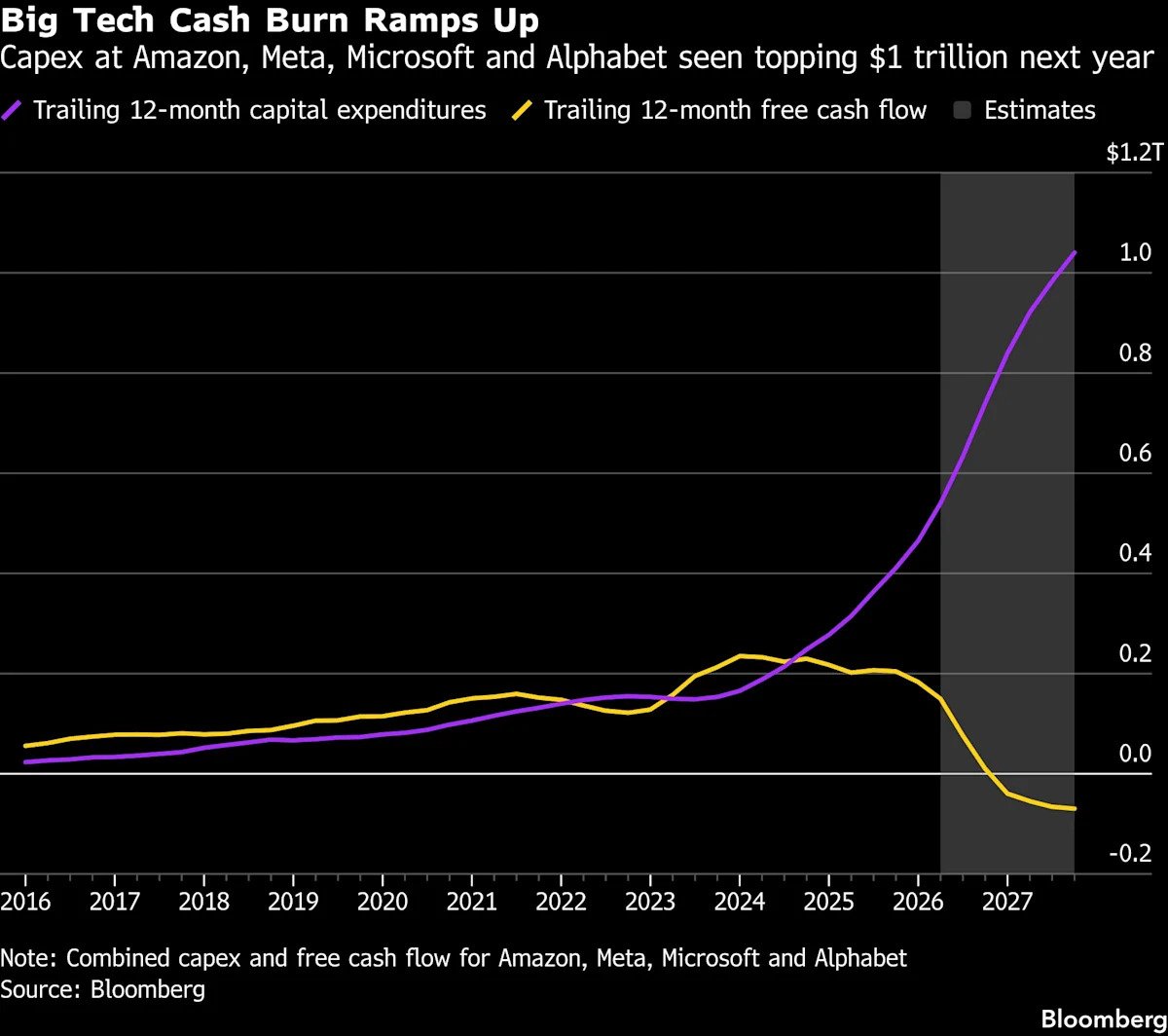
That note of caution comes just as the market’s biggest names get set to report. Microsoft, Alphabet, Amazon, and Meta Platforms will all post results after the bell, and investors will see if all that AI investment is starting to show up in revenue—instead of just ballooning expenses. According to Reuters, these four giants now command over $10 trillion in combined market value, accounting for roughly 17% of the S&P 500.
The Fed sits on the other side of this trade. Policymakers are widely seen holding the benchmark overnight rate steady in the 3.50%-3.75% band—a range that influences stock prices, since higher rates discount the value of future earnings. JPMorgan chief U.S. economist Michael Feroli called the latest data “more hawkish” for the Fed’s discussion, but still not enough to tip toward fresh hikes. Reuters
Oil’s move didn’t help. Brent crude climbed 6.62% to $118.63, LSEG data on Reuters showed. The U.S. 10-year Treasury yield was at 4.394%. Rising oil often stirs inflation worries, and loftier yields can put extra pressure on growth stocks—particularly tech names banking on long-term gains.
The AI trade kept drawing attention. Chuck Carlson, CEO at Horizon Investment Services, pointed out that megacap cloud firms are still the “straw that stirs the drinks” both for the AI supply chain and for major index funds. According to Barclays analysts, capital expenditures by those four companies and Oracle could reach nearly 90% of their operating cash flow by 2027, Reuters noted. Reuters
Ron Albahary, chief investment officer at Laird Norton Wetherby, called out what he described as “exceedingly optimistic” expectations for earnings growth. He flagged the risk that investors might be letting enthusiasm outrun what companies can actually deliver. Still, chip stocks didn’t flinch—the Philadelphia Semiconductor Index managed a 1.8% gain, according to Reuters—even as broader indexes slipped. Reuters
The economy chipped in. Core capital goods orders—which exclude defense and aircraft and are seen as a bellwether for business investment—leapt 3.3% in March, the sharpest move since June 2020. According to Reuters, manufacturing got a lift from AI-related investment and data center builds, while tariffs and turmoil in the Middle East kept a lid on cost relief.
Individual names swung harder. GE HealthCare fell after it lowered its full-year profit outlook, blaming inflation across memory chips, oil, and freight, and noting a supplier snag in its pharma diagnostics segment. CEO Peter Arduini pointed to “significant increases” in those input costs for the first quarter. Reuters
Visa shares jumped after the company topped profit expectations and raised its earnings forecast for the year. CEO Ryan McInerney pointed to continued strength in consumer spending. J.P. Morgan analysts flagged that some investors had braced for a steeper hit to cross-border growth than what actually materialized. Mastercard, which competes directly with Visa, also moved higher ahead of the open, according to Reuters.
Robinhood stock slid as sluggish crypto markets dragged down trading revenue. Transaction-based revenue clocked in at $623 million, up 7% but missing LSEG’s $728.2 million projection. Crypto revenue tumbled 47% year-on-year. Raymond James analysts pointed out that trading activity has become more volatile, and noted clear signs retail traders are losing steam.
The policy landscape took another turn. Kevin Warsh, nominated by President Donald Trump to head the Fed, passed a key vote in the Senate Banking Committee—bringing him a step nearer to replacing Powell after Powell’s term wraps up on May 15. There’s more in play than just rates: investors are watching to see if Powell will remain as a Fed governor.
The day’s support levels are at risk of giving way. If Microsoft, Alphabet, Amazon, or Meta signal any caution on AI spending, that could sting semiconductor and data-center stocks. On the other hand, a stronger message from Powell might lift yields. Walter Todd, chief investment officer at Greenwood Capital, told Reuters that a pullback in spending from the hyperscalers would most likely trigger a “very negative” reaction in AI shares. Reuters