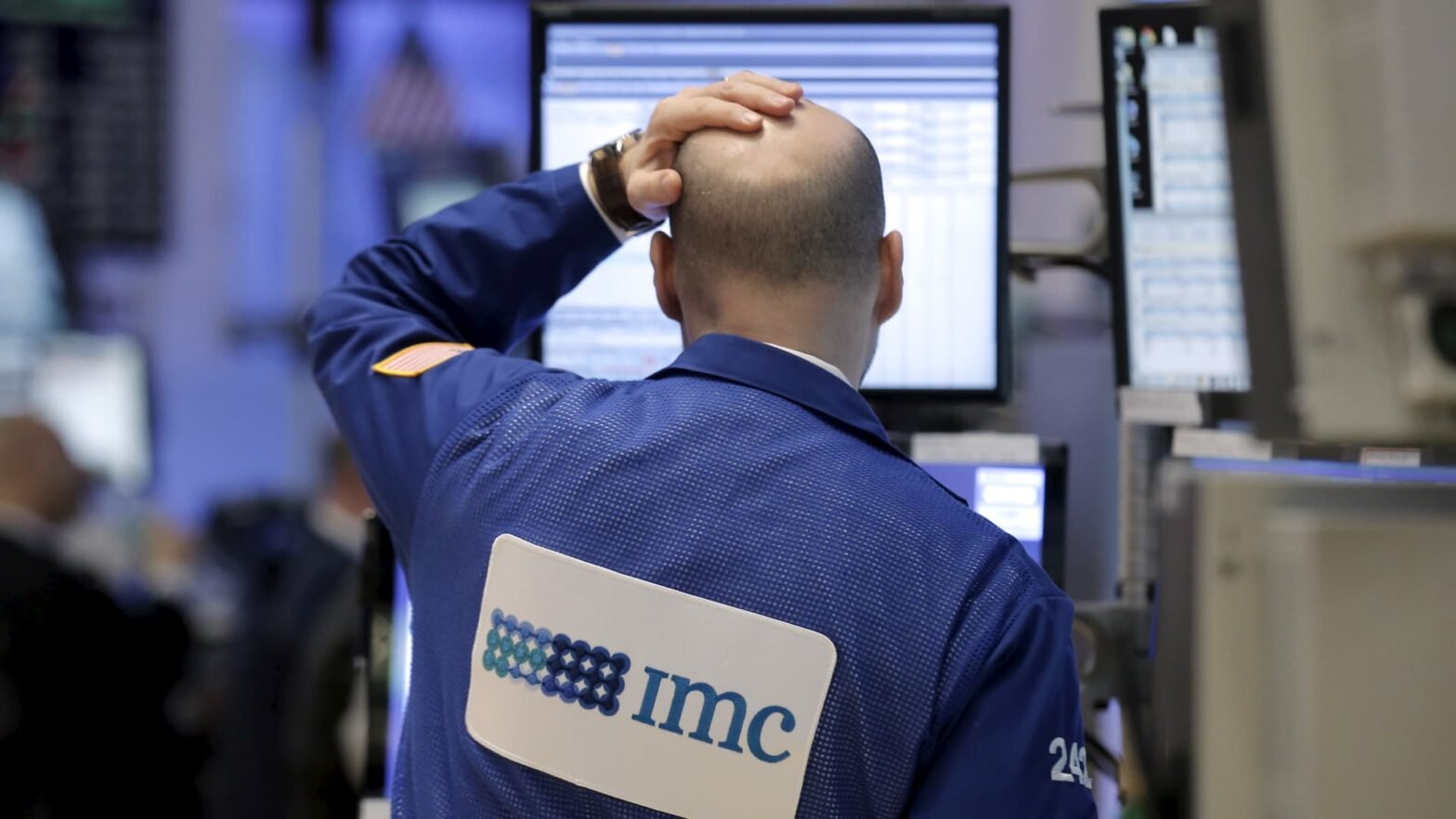
Stock and bond investors are heading for a clash — and the latter may come out on top, according to BCA Research. The 2-year U.S. Treasury yield surpassed the Federal Reserve funds rate. Every time that’s happened in the past three decades, the Fed has gone on to hike rates, Arthur Budaghyan, BCA’s chief strategist, said. U.S. “stocks and bonds are on a collision course,” Budaghyan said in a Wednesday note to clients. Stock investors may take the next Fed policy decision as negative, especially given that inflation is reaccelerating, Budaghyan said. The consumer price index rose 3.8% on an annual basis in April, its highest rate in nearly three years. Only a significant stock market sell-off could drive bond yields lower, Budaghyan said. He said a market downturn could also create disinflationary pressure, which can mitigate the increases in oil and food prices amid the Iran War. Budaghyan said current equity market internals appear weak, specifically caused by narrow leadership. The 30-year U.S. Treasury yield hit its highest level in nearly 19 years this week, bolstering concerns that the Fed will need to tighten monetary policy. Fed meeting minutes released Wednesday showed that members saw a need to raise rates if inflation remained elevated due to the Middle East conflict. Fed funds futures now anticipate the central bank upping rates as its next policy move, according to CMEGroup’s FedWatch tool . If the Fed does not opt for policy tightening, Budaghyan said, the bond market could sell off further. “When inflation is rising and economic growth is robust, the longer the central bank delays rate hikes, the more it must raise rates at a later date,” he said. “In other words, a central bank falling behind the inflation curve is bearish for stocks and bonds.”
BCA says the stock and bond markets ‘are on a collision course.’ And bonds may win
May 21, 2026