SpaceX released its registration statement (Form S-1) on May 20, after filing confidential initial public offering (IPO) paperwork with the Securities and Exchange Commission (SEC) in April. SpaceX is targeting a $2 trillion valuation, and the stock will begin trading on the Nasdaq Exchange on June 12 under the ticker SPCX.
IPO stocks frequently pop on their first trading day. In fact, more than 700 companies have listed shares on U.S. exchanges since 2020, and the average price increase on the first day was 30%, according to Jay Ritter, director of the IPO Initiative at the University of Florida. But investors should be more concerned with another statistic.
Will AI create the world’s first trillionaire? Our team just released a report on the one little-known company, called an “Indispensable Monopoly” providing the critical technology Nvidia and Intel both need. Continue »
SpaceX will be the largest IPO in U.S. history by initial market value, and stocks that go public with large market values typically lag the broader market over time. Since listing shares, the 10 largest U.S. IPO stocks on record have underperformed the S&P 500 (SNPINDEX: ^GSPC) by an average of 127 percentage points, according to FactSet Research.
Here are a few more things investors should know about SpaceX ahead of its IPO.

SpaceX’s revenue growth slowed to 15% in Q1 2026
SpaceX has historically been a rocket and satellite company, but it expanded into artificial intelligence (AI) with the acquisition of xAI earlier this year. So its operations are divided into three business segments: space, connectivity, and AI.
Below is a brief explanation of how the company generates revenue in each segment:
-
Space revenue comes from launch and mission services provided with Falcon rockets and (eventually) Starship systems.
-
Connectivity revenue comes from subscriptions to Starlink, the world’s largest satellite-based broadband internet service.
-
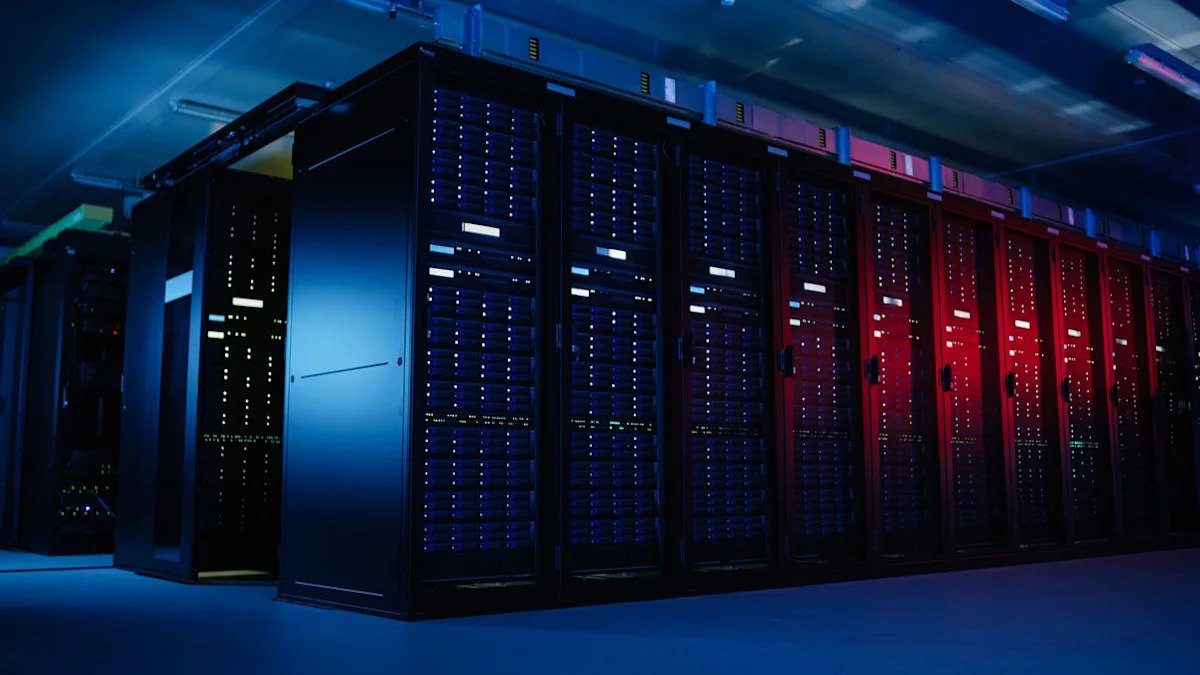
AI revenue comes from cloud services, including access to the Colossus supercomputers and the Grok frontier models.
SpaceX’s financial results have been somewhat disappointing. In 2025, revenue increased 33% to $18.6 billion, a deceleration from 35% growth in 2024. The company also reported an operating loss of $4.9 billion. In Q1 2026, revenue growth slowed further to 15%, while operating loss widened to $1.9 billion due to heavy spending on rockets and AI infrastructure.
Currently, SpaceX generates most of its revenue through the connectivity segment, but the AI segment is likely to grow quickly in the coming quarters. In May, Anthropic agreed to pay $1.25 billion per month to access compute capacity from the Colossus supercomputers. The three-year deal could lead to a sizable acceleration in revenue growth in the second half of 2026.