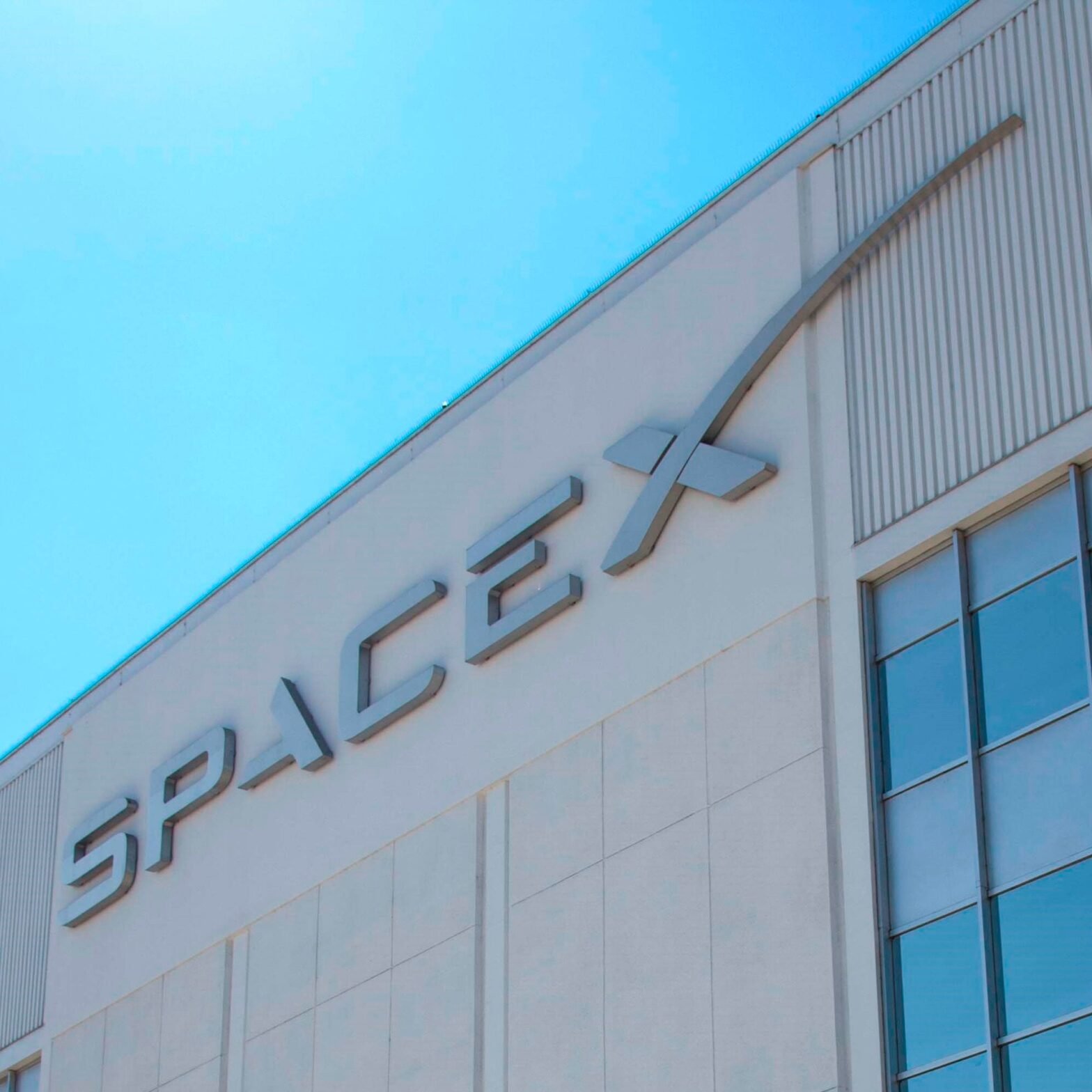
The stock market loves a good debut. None has been bigger than SpaceX‘s (NASDAQ:SPCX) long-awaited IPO, which valued the aerospace giant at the close of trading on the first day at $2.1 trillion. Retail investors who spent years waiting for access to the private company finally got their chance, while institutions rushed to secure shares of a business that has transformed both the launch industry and satellite communications.
Yet amid the excitement surrounding SpaceX’s market debut, the company’s top executive delivered a message that sounded more like a warning than a sales pitch.
Why SpaceX Chose to Go Public Now
For years, SpaceX founder Elon Musk resisted taking the company public. The concern was straightforward: public markets often reward short-term performance, while SpaceX has built its business around projects that can take years — or even decades — to fully mature.
That challenge has become more manageable as SpaceX’s core businesses have reached a new level of scale. The company generated tens of billions of dollars in annual revenue through a combination of launch services, government contracts, and its rapidly growing Starlink satellite internet network. Starlink alone has become the largest satellite broadband provider in the world, serving millions of customers across more than 100 countries. It is also SpaceX’s only profitable business.
While the company is still burning cash — some $9.1 billion in negative free cash flow in Q1 — it is not just some startup trying to prove a concept. It is a mature enterprise generating $4.1 billion in quarterly revenue while continuing to invest in ambitious projects such as X, xAI, space-based data centers, Starship, and future Mars missions.
That shift helps explain why management finally felt comfortable opening the doors to public investors.
The Message Many Investors Missed
During a CNBC interview, SpaceX President and COO Gwynne Shotwell offered a remarkably candid assessment of what investors should expect from owning the stock.
She wasn’t focused on the first day of trading. She wasn’t discussing price targets or quarterly earnings estimates. Instead, Shotwell emphasized that SpaceX does not want to become consumed by quarter-to-quarter performance. More importantly, she cautioned potential shareholders that the company’s operating horizon is measured in decades, not months.
That’s an unusual message in today’s market. Many newly public companies spend their first weeks encouraging investors to focus on near-term growth opportunities. Shotwell effectively did the opposite. Her message was clear: if investors are buying SpaceX expecting to react to every earnings report, product announcement, or analyst estimate, they may be approaching the stock the wrong way.
Granted, public companies still must report quarterly results and answer to shareholders. That reality doesn’t disappear after an IPO. But Shotwell’s comments suggest management intends to keep making decisions based on long-term objectives, even when those choices may not maximize next quarter’s numbers.
Why Long-Term Investors May Benefit
Surprisingly, Shotwell’s warning may be one of the strongest arguments for owning the stock.
History shows that many of the market’s best-performing companies rewarded investors who ignored short-term volatility. Companies such as Amazon (NASDAQ:AMZN | AMZN Price Prediction) spent years sacrificing near-term profits to build larger opportunities. Shareholders who focused on quarterly fluctuations often missed the bigger story.
SpaceX appears to be asking investors to adopt a similar mindset. The company’s largest opportunities — including Starship, deep-space transportation, and expanding Starlink’s global reach — are projects measured over years, not quarters. Success will likely be uneven. There will be delays, cost overruns, and periods when quarterly results fail to impress Wall Street.
In any case, management appears willing to accept those short-term bumps if they advance the company’s long-term goals.
Key Takeaway
In short, Gwynne Shotwell’s comments weren’t really a warning against buying SpaceX stock. They were a warning against buying it for the wrong reasons.
Regardless of whether investors choose to own SpaceX, the lesson applies to virtually every stock. The most successful investments are rarely determined by the next earnings report or the next headline. They are determined by how a business performs over years of execution.
Smart investors should approach any stock purchase with at least a three- to five-year horizon. A decade is even better. That mindset reduces the temptation to react to every quarterly number and keeps attention focused where it belongs: on the long-term value a company can create.
Ultimately, SpaceX’s leadership is telling investors exactly what kind of shareholders they want. That’s exactly the kind of management investors should want. The question is whether investors are willing to listen.