Trevor Jennewine, The Motley Fool
5 min read
The U.S. stock market fell sharply in March after President Donald Trump authorized military strikes in Iran, but the major indexes recovered very quickly. Since April, the S&P 500 (SNPINDEX: ^GSPC) and the Nasdaq Composite (NASDAQINDEX: ^IXIC) have delivered astonishing gains of 12% and 18%, respectively.
The market has shrugged off geopolitical tensions and elevated oil prices because many companies reported first-quarter financial results that beat Wall Street’s expectations. In particular, several technology companies tied to the artificial intelligence (AI) boom posted exceptional numbers.
Will AI create the world’s first trillionaire? Our team just released a report on the one little-known company, called an “Indispensable Monopoly” providing the critical technology Nvidia and Intel both need. Continue »
However, the stock market may be more fragile than it appears. Jerome Powell issued two critical warnings during his final months as Federal Reserve chairman, and investors who ignore the warnings may pay a high price for their complacency. Here’s what you need to know.

The Federal Reserve may have to raise interest rates
In January, the market expected the Federal Open Market Committee (FOMC) — the branch of the Federal Reserve that sets monetary policy — to cut its benchmark interest rate by at least a half percentage point this year. At the time, lower rates seemed like a sure thing because the jobs market was struggling and inflation was cooling.
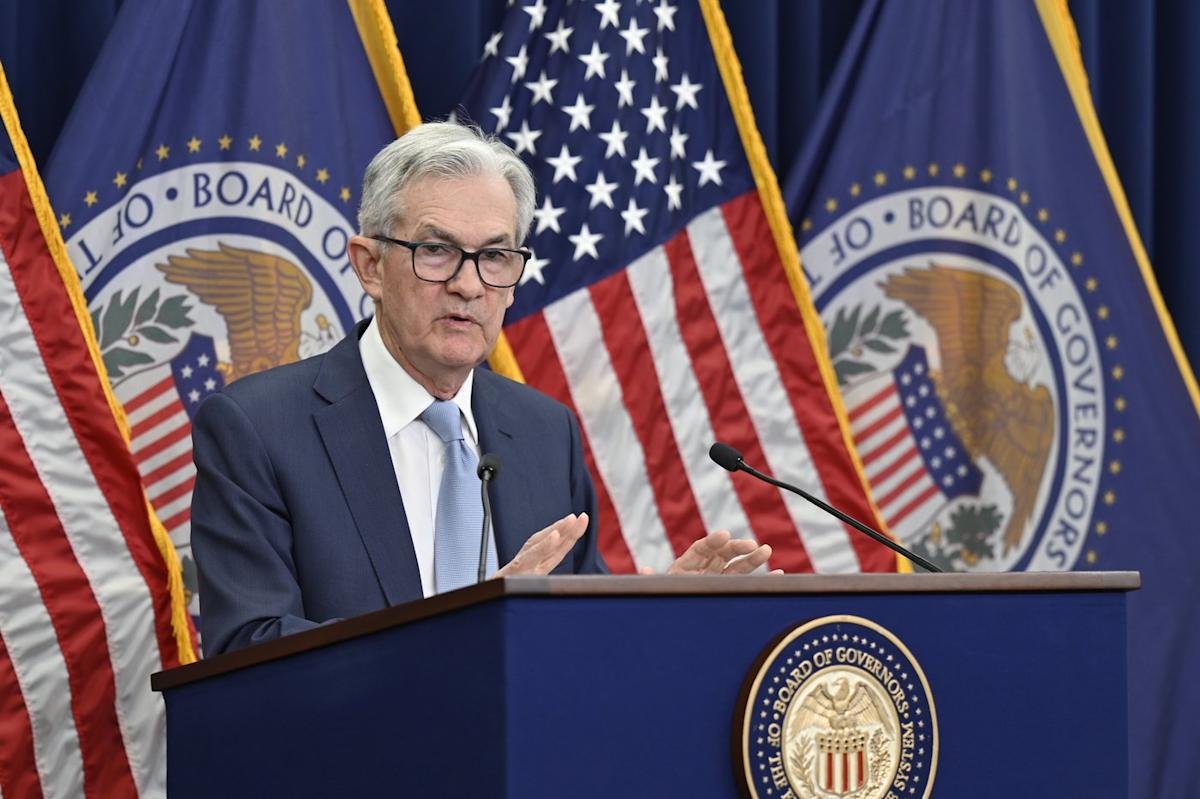
But the economic environment looked much different by April. Job growth had bounced back, and inflation had reaccelerated due to rising oil prices tied to the Iran conflict. So, the FOMC held rates steady for the third straight meeting, and Jerome Powell gave this warning during his final press conference as Fed chair:
The economic outlook remains highly uncertain and the conflict in the Middle East has added to this uncertainty. … In the near term, higher energy prices will push up overall inflation. Beyond that, the scope and duration of potential effects on the economy remain unclear.
One source of uncertainty is the extent to which the oil shock will bleed into core inflation (which excludes volatile food and energy). The oil shock directly impacts headline inflation by raising gas and utility prices, but it also impacts core inflation indirectly by raising transportation and manufacturing costs.
The next few weeks are critical. Michael Cembalest at JPMorgan Chase writes, “If the Strait of Hormuz is not reopened sometime in June/July, global oil inventories will hit an operational floor and result in greater rationing.” That would push energy prices higher and raise the odds that the oil shock bleeds heavily into core inflation.