By Saqib Iqbal Ahmed and Laura Matthews
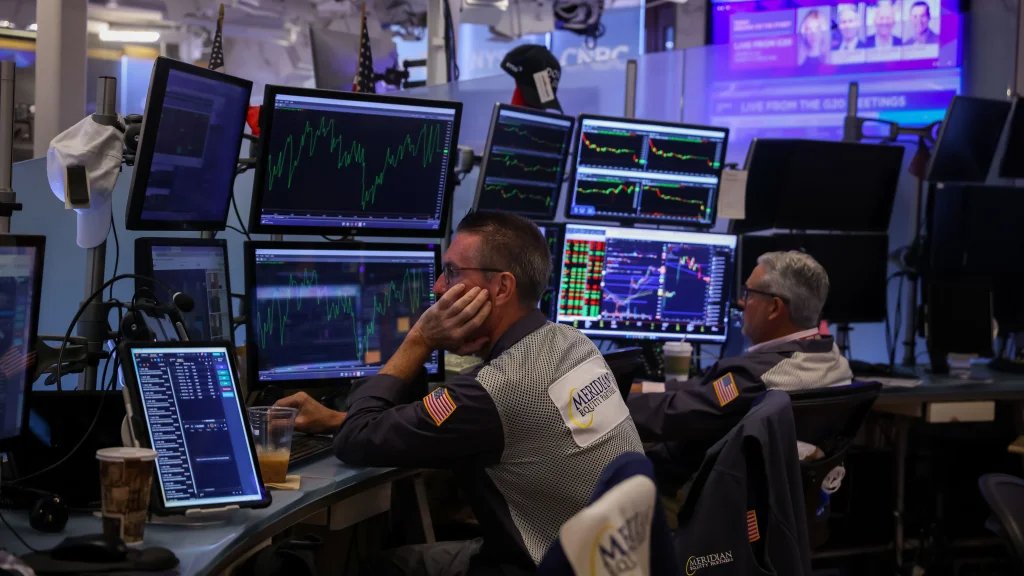
NEW YORK, July 2 (Reuters) – A tepid June jobs report offers relief for U.S. equities just as investors had begun to worry that excessive labor market strength might force the Federal Reserve to turn more hawkish in its fight against inflation, hobbling highflying tech stocks that have driven this year’s rally.
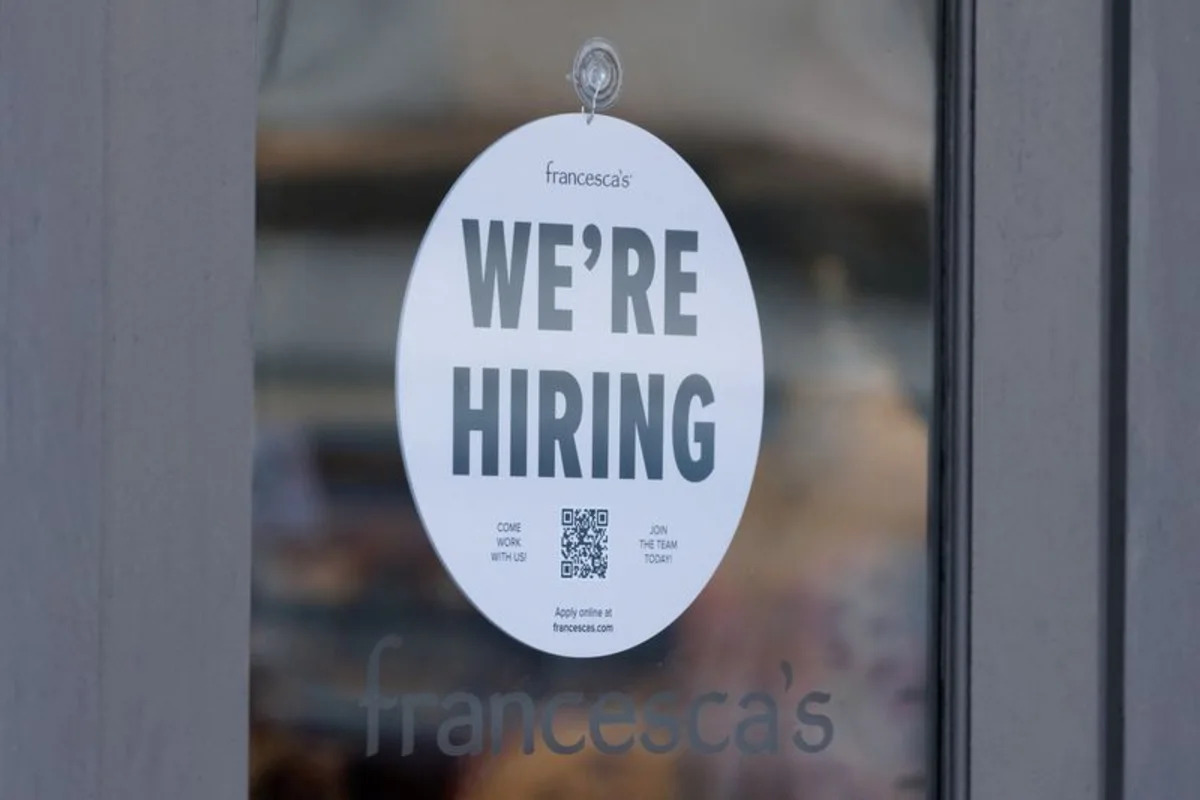
U.S. job growth slowed more than expected in June and payroll gains for the prior two months were revised lower, the Labor Department said on Thursday, pointing to a cooling but still stable labor market that prompted financial markets to dial back expectations for a near-term Federal Reserve rate hike.
That could buy the stock market more time, just as soaring valuations, dramatic swings in the value of trillion-dollar companies, and periodic sharp selloffs have fueled concerns that pockets may be in a bubble.
U.S. stocks initially edged up before giving up gains, and the dollar slipped as traders pared expectations for a rate hike as early as September.
“This jobs report lets anyone concerned about an imminent Fed hike to breathe a sigh of relief,” Adam Sarhan, chief executive of 50 Park Investments in New York.
“It doesn’t mean the fear of inflation is over. It just takes the pressure off the Fed to raise rates in the short term,” Sarhan said.
Last month, investors got a taste of how quickly this year’s 10% stock market rally could unravel after the Fed left rates unchanged at its June meeting, but projected a hike in borrowing costs later this year amid growing concerns about rising prices.
That move stoked investor angst about debt-fueled corporate spending on AI and prompted stocks to pull back, particularly in big tech names that have come to dominate the market.
Thursday’s jobs report, a break from the run of strong employment gains in prior months, should reassure Fed policymakers that the labor market is not fueling inflation, said investors.
Fed fund futures late on Thursday suggested roughly even odds that the central bank would raise rates by its September meeting, according to LSEG data.
While many warned against reading too much into a single report, especially given the volatility in the data in recent months, they said it gives the Fed more time, and should be a tailwind for stocks — at least in the short term.
“A consistent pattern of moderating labor market conditions and easing inflation would reinforce the case for a more accommodative Fed and support the current market outlook,” said Anshul Sharma, chief investment officer at Savvy Wealth.