
Moneywise and Yahoo Finance LLC may earn commission or revenue through links in the content below.
The average American doesn’t likely need a report to tell them that the public isn’t feeling great about the state of the economy right now, but new data about citizens’ general sentiment paints an even more dismal picture than expected.
Since 1952, the University of Michigan’s Institute for Social Research has administered a monthly survey to gauge consumer confidence, putting a number on the nation’s attitude toward finances and spending, the general economic landscape at the time and expectations for the future.
Top Picks
-
Dave Ramsey warns nearly 50% of Americans are making 1 big Social Security mistake — here’s how to fix it ASAP
-
JP Morgan sees gold hitting $6,000/oz before 2027 — and a Gold IRA lets you hold the physical metal while deferring the tax bill. Get your free guide from Priority Gold
-
The ultra-rich use these 6 real estate strategies to build wealth while they sleep — you can start with just $100
This year, June’s results were the lowest they’ve been in the study’s recorded history, coming in at 49.5 (1)— lower than during the worst of COVID-19 (when the index reached 71.8), the midst of post-pandemic inflation (when it dropped to 50) and after the peak of the Great Recession (when it measured 55.3).
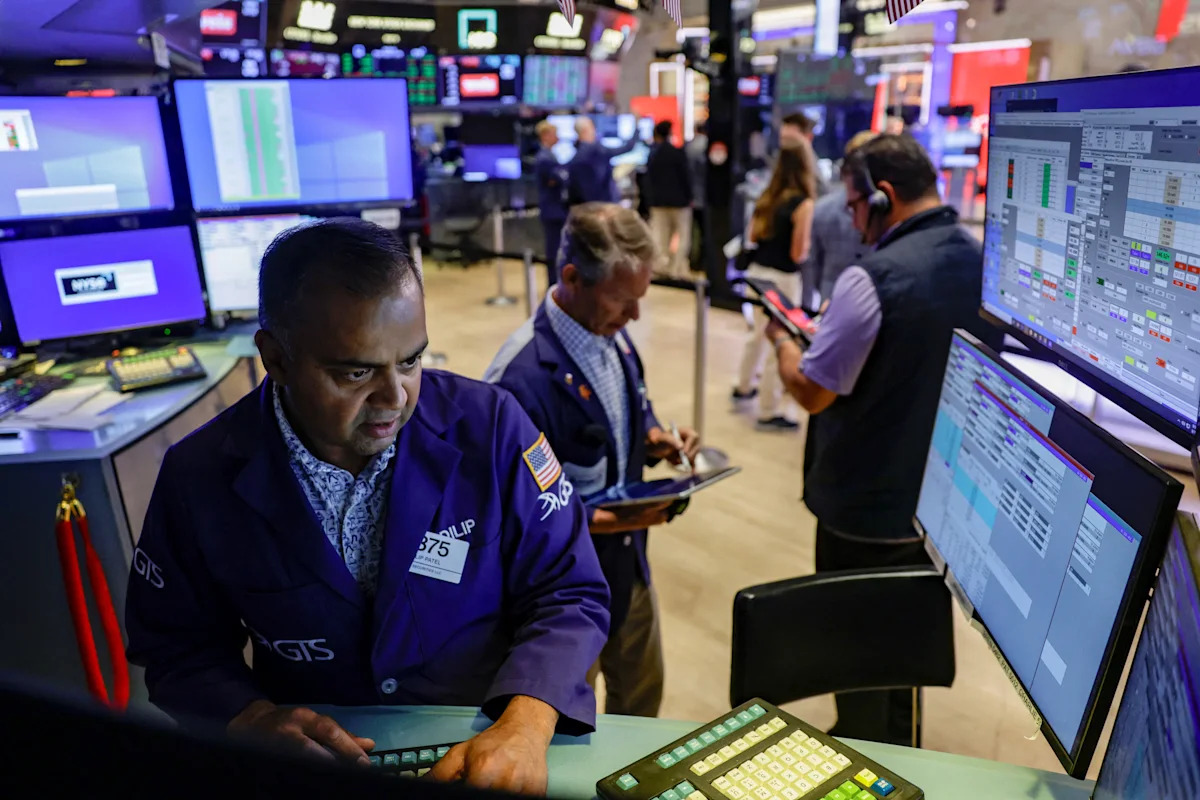
But how is this figure possible when stock markets have been rallying to record highs (2) and spending (3) across the country continues to show similar vigor?
Where the math isn’t showing the whole context
The Michigan Consumer Sentiment Index (MCSI) is widely considered to be not only a credible metric, but one of the nation’s key economic indicators (4). But, in this case, it seems to be at odds with other comparable and contextual data.
Regardless of what letter shape you believe the economy is taking at the moment — K or E (5) — consumer spending levels are strong and escalating (6), up 0.9% month-over-month in May (the fourth monthly increase in a row) despite prices (7) being up 4.2% year-over-year.
Yes, the difference in spending (and earnings) between classes is becoming more pronounced (8), which isn’t exactly an uplifting phenomenon. Individual (9)debt is high, and so are private-credit default rates (10). And amid all of this spending, the average personal savings rate has fallen to 2.6% (11), a figure that is the worst rock bottom since the 2008 financial crisis.
But, one must also take into account that the US presently has more retirees (12) digging into savings than ever, which impacts the data. And, people actually have more liquid assets than they did pre-pandemic, amounting to about 84% of their disposable income (12), according to the Fed.