Report by Renta 4
European markets opened lower (Eurostoxx 50 futures down 0.4%), reflecting yesterday’s declines on Wall Street, which were centred on the technology sector (Nasdaq down 1.9%) and against a backdrop of a deteriorating geopolitical situation in the Middle East. US futures are rebounding slightly (S&P up 0.1%, Nasdaq up 0.4%).
Of particular note is yesterday’s sharp rise in Brent crude – up 10% – to $83 per barrel after Trump reinstated the naval blockade of Iranian ports and coastal areas (effective from 16:00 Washington time today, Tuesday), whilst declaring that the United States would be “the guardian of the Strait of Hormuz”, demanding a 20 per cent levy on all cargo passing through the Strait under US protection, which equates to security costs of approximately $30 million per fully loaded supertanker. These statements contravene international law (freedom of navigation) and contradict the United States’ previous opposition to tolls in the Strait (imposed by Iran) as well as its relations with its allies in the region (Saudi Arabia, the UAE, Kuwait and Iraq export their crude oil via the Strait); as such, this appears to be more of a negotiating tactic.
Last night, the United States once again struck Iranian targets, to which Iran has in turn responded, causing the conflict to spread geographically (UAE, Bahrain, Saudi Arabia) and keeping upward pressure on crude oil prices, up 1% today to $84 per barrel, a 20 per cent rise from the lows of $70 per barrel (2 July). This backdrop of higher energy prices (European TTF natural gas at three-month highs) is reigniting fears of inflationary pressures that could force central banks to adopt a more hawkish stance. The market is now pricing in a 43 per cent probability of a 25-basis-point rate hike by the Fed in July (compared with 18 per cent at the start of the month).
Looking ahead to today, there are three key events for the markets: 1) the US CPI for June (14:30), with expectations of a moderation in the headline rate to 3.8% (from 4.2% previously, and marking the first negative monthly reading since the start of the pandemic in 2020,
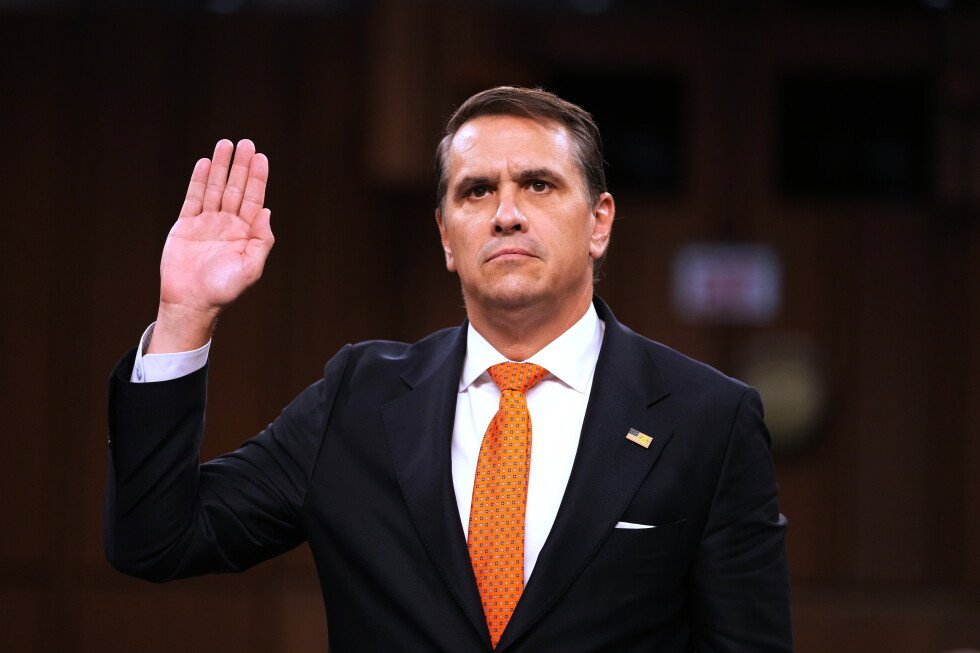
thanks to the fall in petrol prices from their war-time highs) and the core rate is expected to remain stable (2.8% estimated against 2.9%), although uncertainty surrounding tensions between the US and Iran could overshadow the data; 2) Fed Chairman Kevin Warsh (16:00), will appear for the first time before the House of Representatives Financial Services Committee (and tomorrow before the Senate), and will give us his most up-to-date view on the rate hikes currently priced in by the market (two hikes of +25 bp through to Q1 2027) and what the Fed’s medium-term monetary policy trends might be, once the deliberations of the five working groups set up to reform the institution conclude at the end of the year; and 3) the start of the US investment banking earnings season, with results from JPMorgan, Bank of America, Wells Fargo, Goldman Sachs and Citi, to be followed tomorrow by Morgan Stanley, during a season in which trading revenues are set to remain close to all-time highs (conflict in the Middle East, large-scale IPOs and debt placements, volatility in the AI sector) and where the focus will be onthe guidance provided by the companies. Broadly speaking, the Q2 26 earnings season will be crucial for validating stock market valuation multiples.
On the macro front, we highlight China’s June foreign trade data, with solid growth in June for both exports (up 27% month-on-month against 19% expected and the previous figure), a four-month high, and imports (up 36% month-on-month) (against expectations of 26% and the previous figure of 27%), the largest rise in five years, bringing the trade surplus to $125.6 billion, the second-highest on record. The driving force is the AI supercycle: chip prices have risen by up to 700% over the past year, boosting trade from South Korea and Taiwan to China. South Korean exports to China grew by 92% year-on-year in June, the fastest pace since 2010. On the downside,Chinese crude oil imports plummeted by 41% year-on-year in June to 29 million tonnes, the lowest level in nearly a decade, confirming the deliberate reduction in oil purchases during the conflict.