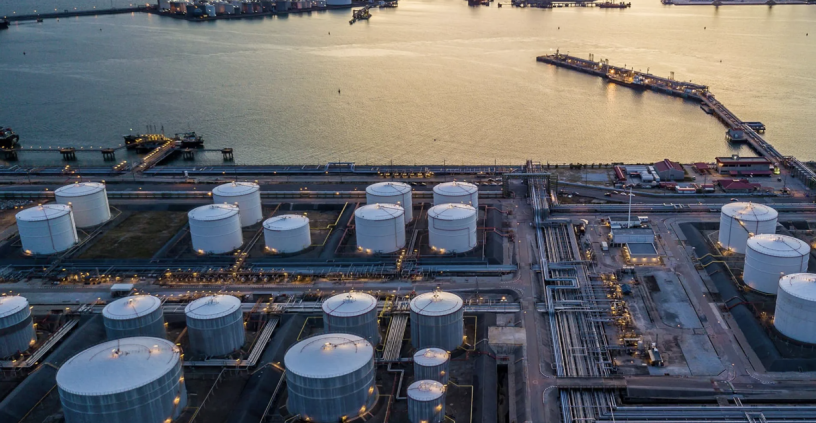
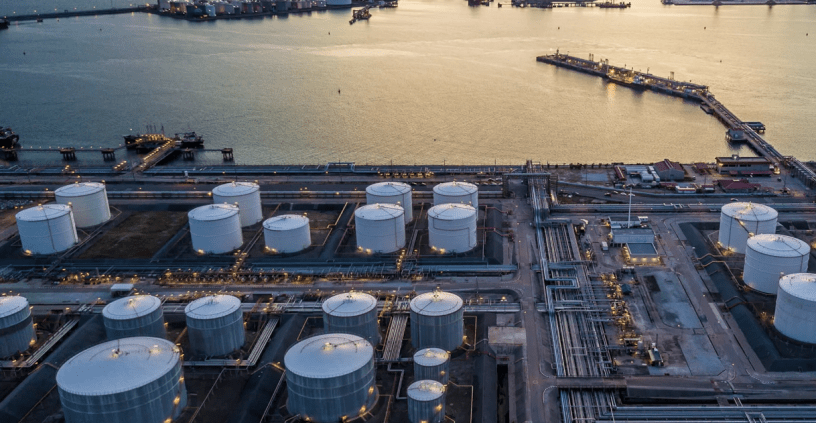
Oil prices have risen to $95.47 per barrel due to U.S. strikes on Iran, raising concerns over supply disruptions. Asian economies, reliant on Middle Eastern oil, face significant risks from potential turmoil.
By William Collins, consultant in stock markets – Eurasia Business News, July 22, 2026. Article no 3030
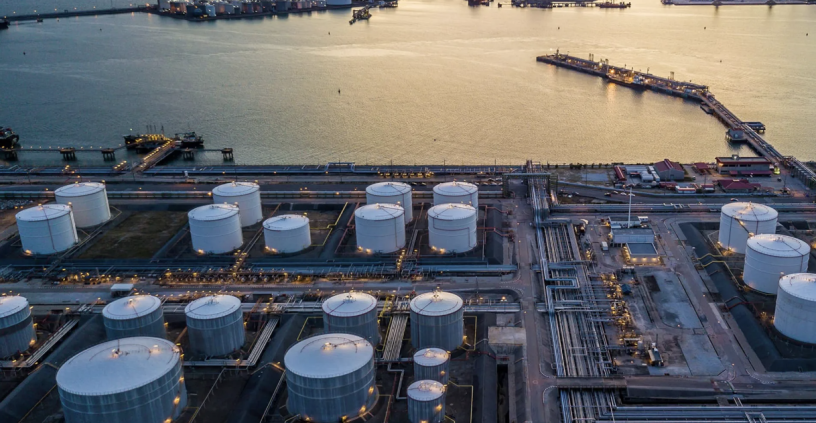
Oil is trading around $95.47 per barrel this morning, with Brent cited as the benchmark, after rising about $1.06 from the previous morning. The move is being linked to fresh U.S. strikes on Iran and renewed fears of supply and shipping-route disruptions in the Middle East.
For equities, a sustained oil spike usually helps integrated producers and services names, but it pressures airlines, transport, chemicals, and consumer sectors through higher input costs. It can also keep inflation expectations sticky, which matters for rates-sensitive stocks and central-bank messaging.
Practical takeaway
If the Iran conflict escalates further, crude could stay bid or overshoot on headlines; if diplomacy or corridor flow stabilizes, some of the premium can fade quickly. For a stock-market headline, the key distinction is whether this is a one-day shock or the start of a longer supply-risk repricing.
Read also : Tax Management strategies for Digital Nomads
The U.S.-Iran conflict is posing a real risk of a prolonged energy shock in Asia, especially because many Asian economies still rely heavily on Middle Eastern oil and gas imports. The biggest vulnerability is not just higher prices, but the possibility of repeated supply disruptions through the Strait of Hormuz and related shipping routes.
Why Asia is exposed
Asia is the world’s largest oil-importing region, and several economies have limited buffers if flows from the Gulf are interrupted. Reports note that East Asian powers import a large share of their oil from the Middle East, which makes them especially sensitive to disruptions and price spikes. Even where governments have built reserves or secured alternative cargoes, those measures only buy time rather than eliminate the dependence.
Our community already has nearly 270,000 readers!
Subscribe to our Telegram channel
Follow us on Telegram, Facebook and Twitter
© Copyright 2026 – Eurasia Business News. Article no. 3030