By David Ashby, CFP®, CPA, Mustard Seed Wealth Management
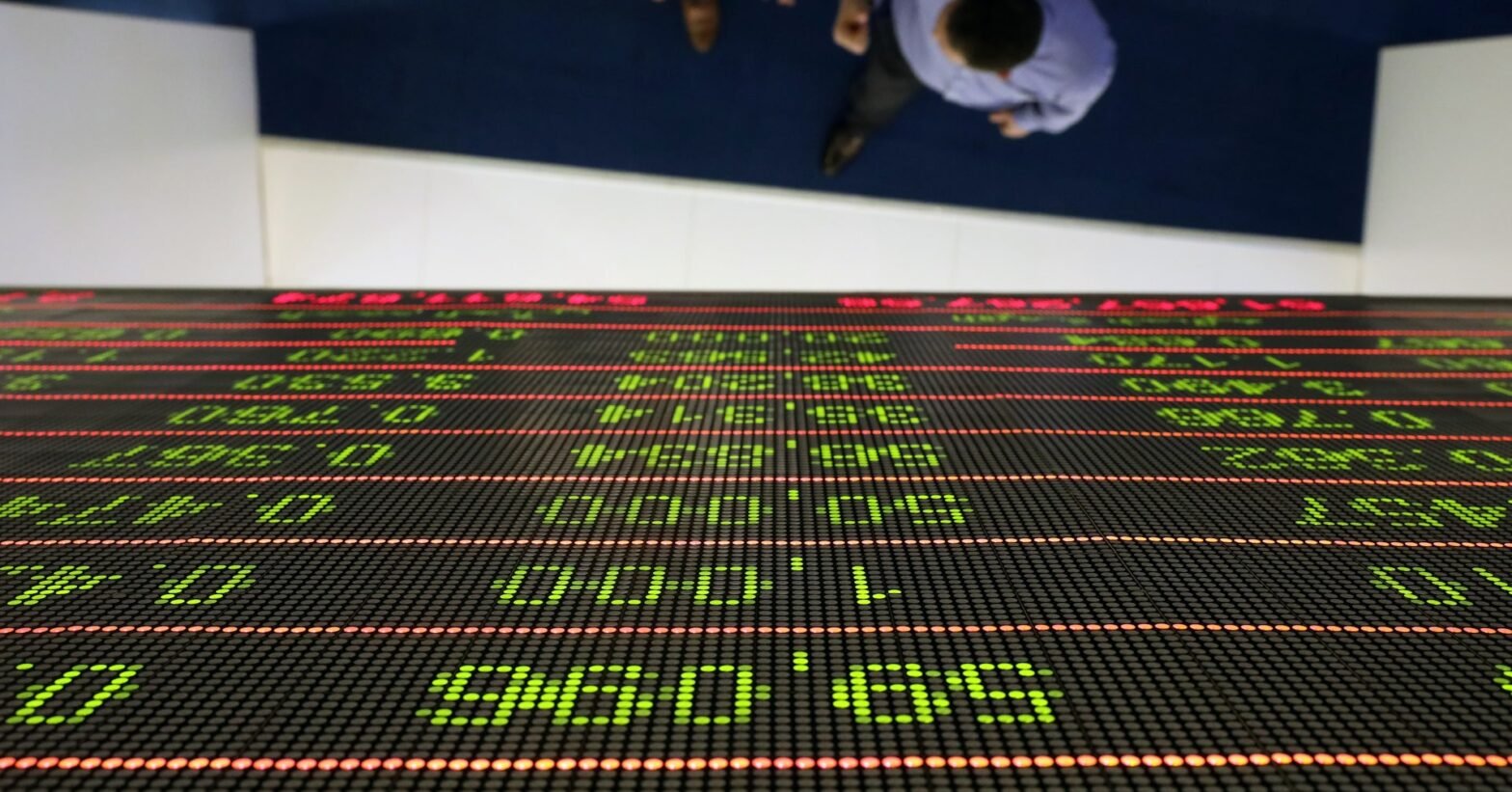
On June 12, the much-anticipated space company developed by Elon Musk did an initial public offering (IPO) of stock. SpaceX was the largest IPO in history to date. The stock was scheduled to come out at an initial price of $135 but, due to strong demand, opened trading that morning at $150. From there, it rose to a high of $176 and closed at the end of the first trading day at $161. If you bought in at the opening price of $150, you were perhaps congratulating yourself with better than a seven percent gain in one day. SpaceX has subsequently traded as high as $225!
SpaceX is a good example of what often happens with IPOs. The price may fluctuate wildly in the period following the offering. While some folks will make money, others are going to lose out. It often takes time for trading in a new security to settle down and arrive at a market equilibrium price that buyers and sellers are comfortable with.
One of my grandkids had heard about the SpaceX IPO and wanted to buy a couple of shares in a small account he has. He asked what I thought about that. I went into a (hopefully) brief explanation of why a new offering is generally not a good idea. I probably told him more than he wanted to hear, no doubt!
I wouldn’t recommend an IPO purchase to anyone, but then nor would I recommend buying individual stocks. Why is that, you might ask? Well, Enron, WorldCom, Bear Stearns and Lehman Brothers are a few reasons that come to mind! These were well-established, respected companies at one time in their fields. But now they’re gone like steam from a kettle. Bad things can happen to companies that appear strong.
When you buy an individual stock, you take two risks. First, the risk that the stock goes down in price or the company even goes out of existence. Second is the risk that the entire stock market drops in price. The nice thing about that second risk is that the market overall has historically recovered and gone on to higher levels. But don’t expect any of those companies mentioned above to come back to life. You can’t avoid market corrections, but you can avoid specific company risk by buying diversified baskets of stocks such as mutual funds or exchange-traded funds (ETFs).
Now for the rest of the story. I bought a couple of shares of SpaceX for the grandkid, about five weeks after the IPO. Got them for around $114 a share, roughly half price of the $225 peak. But even at that price, there’s no guarantee that it’s going to be a good investment. Why did I go against my own advice? When it comes to young investors getting exposed to the stock market, I encourage them to buy individual stocks, often in companies they can identify with; e.g., Disney or Nike or Apple. If they see their stock went up by 10 percent, that’s exciting. If you tell them their no-load, low-expense S&P 500 index fund went up by 10 percent, you’ve likely lost them before you complete the sentence!
But later in life, when it comes to serious efforts to build your nest egg, a diversified portfolio of funds, as opposed to individual stocks, offers a better chance for long-term success. I hope my grandson makes some money on his SpaceX. But if he does really well, he’ll probably convince himself he’s great at picking winners! And then… well, that’s a topic for another day!
About the Author: David Ashby, CFP®, CPA, is with Mustard Seed Wealth Management in Texarkana. Read his previous TXK Today column, “It Was a Long Shot!”, and learn more about Mustard Seed Wealth Management’s Texarkana location.