TIMOTHY A. CLARY / AFP via Getty Images
The summer has been volatile for stocks, but turmoil in July didn’t derail the bull market. It reset it.
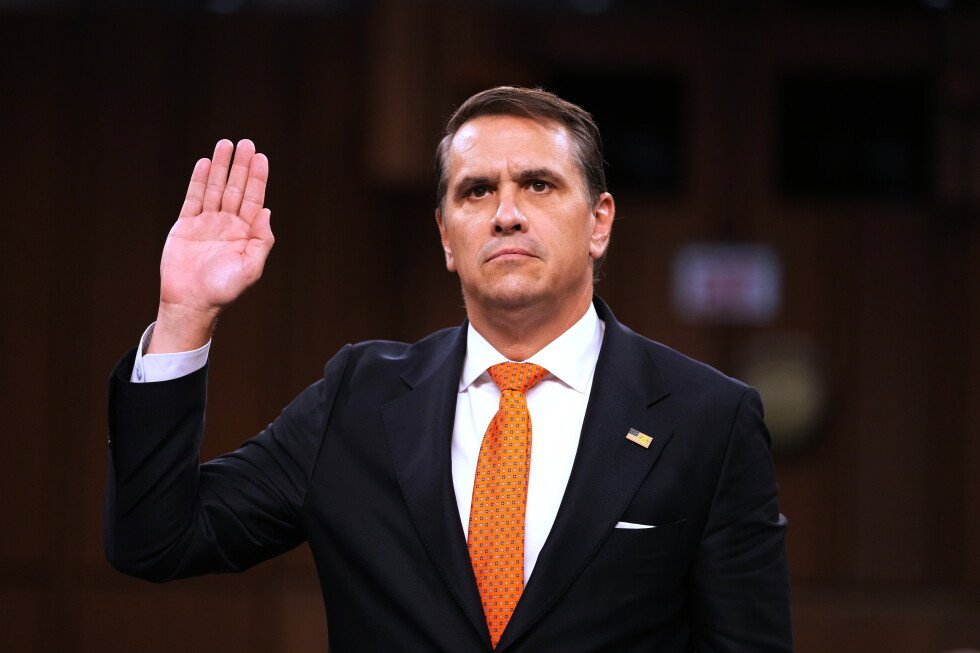
That’s according to Scott Rubner of Citadel Securities, who said that market conditions as August trading kicks off look a lot healthier in the aftermath of July’s roller coaster ride.
Rubner, who serves as head of equity and derivatives strategy for the firm, wrote that investors have raised a lot of questions about the intense volatility in July, but he sees it as a bullish shift.
“We believe much of the global technical reset is behind us,” Rubner wrote. “Importantly, the reset occurred through rotation, deleveraging, and stronger fundamentals, not through a deterioration in the macroeconomic backdrop.”
Rubner provided four reasons conditions are likely to stabilize in August, allowing the bull market to continue.
Retail investor behavior has shifted
Trading data has shown a shift in retail trading behavior recently, pointing to the idea that the day-trader crowd has become more selective in what they’re holding. Retail investors responded to the July volatility by trimming positions in some high growth tech stocks.
Their moves through the July tech and AI volatility shows that retail traders didn’t abandon the market when conditions took a turn. Instead, they helped flush out some of the market’s excesses, helping to kickstart a new phase to be driven by earnings and fundamentals, not speculation, Rubner said.
Leverage has moderated
Leverage has been in focus lately, with margin calls in Korea forcing waves of selling by retail investors and as the sale of Situational Awareness’ equities portfolio was partly the result of some highly levered bets that had soured. But Rubner notes that high net selling by retail traders, particularly in risky leveraged ETFs, has removed a lot of leverage in the broader system.
“Leveraged ETF assets have declined more than $60 billion from their June peak, removing one of the largest sources of incremental leverage that had fueled the first-half rally,” he stated. “The largest reductions have occurred across the market’s most crowded themes, with Technology leveraged ETF assets down approximately 40% and Semiconductor assets down nearly 55% over the past month.”
The volatility backdrop has evolved
July may have been highly volatile, but Ruber said that it may have been even more intense than it appeared at the index level, due to sharp price swings in single stocks. This made hedging individual stocks and sectors extremely expensive, but in Rubner’s view, strength in other corners of the tech trade served to balance out brutal rotatioj out of chip stocks.
“On days when the SOX Index fell more than 3%, SPX declined only 0.8% on average this year versus 2.4% over the last 20 years, while Software has actually been positive on average — the first such occurrence since at least 2001,” he stated.
Fundamentals once again in control
While volatility was a market-driving theme in July, Rubner’s team maintains that conditions are finally shifting. They see a market in which investors can focus on fundamentals, specifically the positive results coming out of the latest earnings season.
“Consensus expectations for second-quarter S&P 500 earnings growth have increased from 22.4% at the start of the reporting season to approximately 45% today, marking one of the strongest earnings seasons outside of major post-recession recoveries,” Rubner said.
He noted that what stands about the earnings strength is not that companies are beating estimates with more frequency, but how much they are beating them by.
Read next
Samuel O’Brient is an experienced financial markets and business journalist who has written extensively on a wide range of topics involving economics, technology and public policy. At Business Insider, he covers important macro and micro economic stories, including takes from leading economists and hedge fund managers, breaking IPOs, corporate bankruptcies, meme stocks and short-selling. He also writes on other markets such as crypto, oil and real estate.He has interviewed many of the market’s most influential voices, ranging from top economists such as Mark Zandi and Richard Thalerto prominent investors including Danny Moses, Andrew Left, Anthony Scaramucci, Louis Navellier and Grant Cardone.Programs such as LiveNOW from Fox , Taking Stock and Ticker News have had Samuel on to discuss stock market and economic developments. His reporting has been cited by The New York Times DealBook, Bloomberg Radio, Forbes, Entrepreneur, Gizmodo and TheFutureParty.Samuel began at InvestorPlace, covering investing, retail trading and macro economic trends. Prior to joining Business Insider, he served as a technology markets reporter at TheStreet. He is a graduate of Sarah Lawrence College and Trinity College Dublin.Samuel’s work has appeared in publications such as TipRanks, EV and Observer. When he isn’t chasing down stories, he can often be found browsing book and record shops. To reach Samuel, email him at sobrient@insider.com or connect with him on LinkedIn. He is also on Signal as Samuel Clemens. Popular Articles: A Nobel economist has a warning for meme stock tradersThe business school dropout who kicked off the Beyond Meat rally wants you to know he’s not Roaring Kitty 2.0A top economist who thinks we’re on the brink of a recession says he’s eyeing these 3 warning signsTrump’s 401(k) executive order marks big changes for retirement savings — and possibly puts your money at riskWhy hedge fund icon Ray Dalio says you shouldn’t invest in real estate in this economyAI bullishness is soaring, but pros see a major opportunity brewing in an overlooked corner of the market