Sean Williams, The Motley Fool
8 min read
This has been a history-packed year for Wall Street. In addition to witnessing the largest-ever initial public offering in stock market history and the swearing in of only the 17th Fed chair since the central bank’s inception in 1913, investors have seen the timeless Dow Jones Industrial Average (DJINDICES: ^DJI), benchmark S&P 500 (SNPINDEX: ^GSPC), and growth-stock-dependent Nasdaq Composite (NASDAQINDEX: ^IXIC) romp to all-time highs.
Several factors have acted as the wind in Wall Street’s sails, including the evolution of artificial intelligence (AI) and better-than-expected corporate earnings.
Missed Nvidia in 2009? This Rare Signal Is Flashing Again. In 2009, a “Double Down” signal flashed for a little-known chipmaker called Nvidia. For the first time in years, that same “Total Conviction” signal is flashing for a company 1/100th the size of Nvidia. Continue »
But things aren’t nearly as perfect as Wall Street’s major indexes suggest. An inflation quadruple whammy is brewing in the background, headlined by Trumpflation — and it’s the perfect recipe to crush Wall Street’s historic bull market rally.

1. President Trump’s tariffs are proving problematic
To preface the following discussion, a modest level of inflation (rising prices) is normal and healthy for a growing economy. Even the Federal Reserve has a long-term inflation target of 2%, not 0%, because policymakers understand that businesses should have some degree of pricing power over their goods and services.
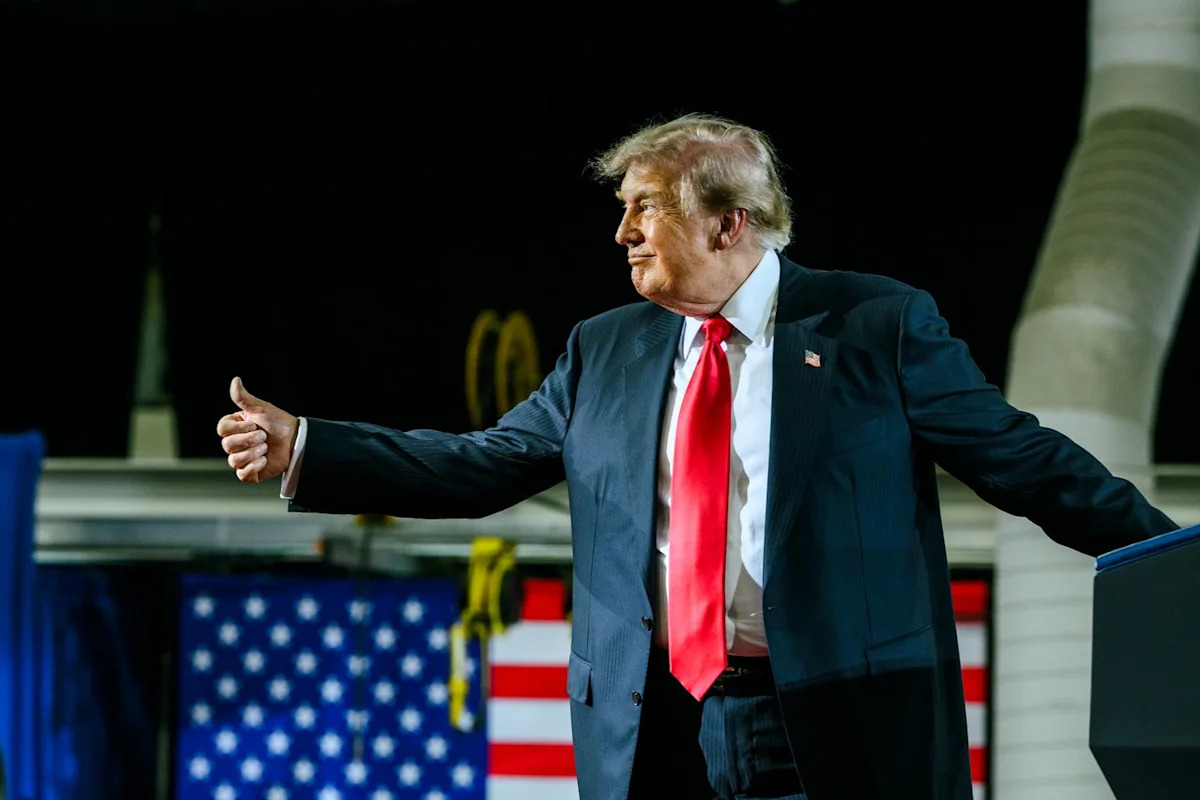
However, trailing 12-month (TTM) inflation has soared in recent months, from 2.4% in February to a (current) peak of 4.2% in May. The bulk of the blame for this inflationary surge lies with President Donald Trump’s policies (i.e., Trumpflation).
For instance, in April 2025, President Trump unveiled sweeping global tariffs and higher reciprocal tariffs on dozens of countries believed to have adverse trade imbalances with America. Although a U.S. Supreme Court ruling overturned many of these “Liberation Day” tariffs in February 2026, Trump and his administration have since reinstated sweeping or selective tariffs using different justifications.
Unfortunately, adding duties to unfinished imported goods, such as steel, can increase production costs for U.S. manufacturers, which are then passed on to consumers. With the Trump administration announcing a new round of tariffs last month, the adverse impact of tariffs on prices in the goods sector, which former Fed Chair Jerome Powell frequently highlighted, is likely to continue.