Has the artificial intelligence (AI) stock market crash already begun? One place I wouldn’t expect a positive answer to that question is from a large language model. The accuracy and bias of these forms of AI is still the subject of much debate.
But personally, I would have thought an AI like ChatGPT was unlikely to predict its own downfall and claim the ongoing spending has gone a bit too far. That’s why I got a bit of a shock when I asked ChatGPT: has the AI stock market crash already begun?
The answer
Its summary: “The short answer is: there are signs of an AI-led correction, but not yet clear evidence of a full market crash”. These ‘sit on the fence’ answers are typical for these large language models. The lack of conviction’s one reason why we can’t trust or rely on them for investing advice.
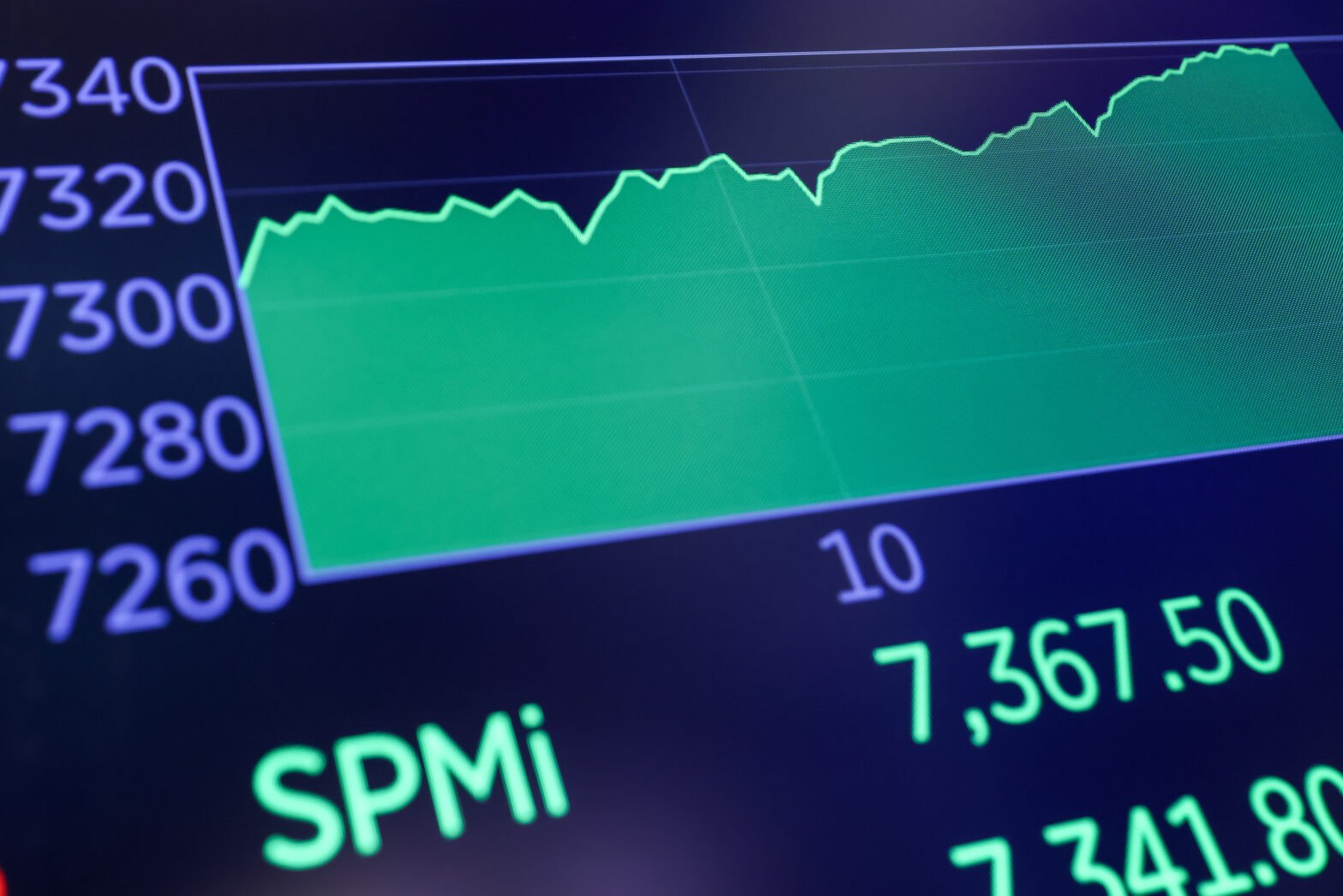
So what’s the real situation? Well, it’s true we aren’t in crash territory yet. A stock market crash is typically defined as a drop of 20%, or more. The S&P 500, by contrast, has been flirting with all-time highs. Even the strongly-AI-weighted ‘Magnificent 7’ are mostly down 10% or less from their previous all-time highs.
One important clue might come from AI-related stocks. Companies such as Micron and Sandisk have both suffered falls of 30%+ recently. This could, of course, be mere volatility. It could also be the canary in the coal mine.
The lack of return on high AI spending is another factor. A notable MIT study found less than 5% of AI-initiatives were profitable.
At the same time, more defensive sectors are looking stronger than ever. The FTSE 100 – a generally defensive index filled with hardy companies in mining, oil and gas, consumer goods and the like – is attracting a lot of attention.
That the index is close to going past the 11,000 mark for the first time is a sign that investors are looking for stability – perhaps because the AI bubble is already showing signs of popping.
One to consider?
What’s a good option for those wishing to sidestep any future turbulence? Consumer goods giant Unilever (LSE: ULVR) might fit the bill. The producer of brands like Hellmann’s, Dove and Vaseline is unlikely to be directly affected in the event of an AI stock market crash (with the proviso that indirect effects will likely ripple throughout the economy).
The defensive nature of its products is perhaps one reason why it’s been on a strong run of late. The stock jumped 22% from bottom-to-top during June and July. Pair that with a solid dividend of 3.45% and big money spent on buybacks, and it could be just the ticket.