The stock market has been hot but the job market has been cool, potentially leading some older workers to simply head for the exits sooner than they expected.
Friday’s jobs data showed that the overall labor force participation rate ticked down to 61.4% in July, the lowest since early 2021 when the economy was still reeling from the pandemic, from 61.5% in June and a full percentage point below December’s level.
That tracks with the participation rate among people 55 years and older, which dropped to 36.9% last month from 37.9% in December, while the rate for those in their prime (25 to 54) has dipped only by 0.4 percentage point in that span.
Of course, much of the drop among older Americans is because of retirement, with more and more baby boomers aging out of the workforce. But many boomers have also continued working past the typical retirement age, and the speed of the recent participation decline is also notable.
Adam Shapiro, vice president at the San Francisco Fed, pointed out that the drop in 55-plus participation since the pandemic ended is comparable to the drop during the pandemic itself.
“My hunch is that this is as at least partially attributable to wealth effects from record highs in the stock market,” he posted on LinkedIn. “But also the hiring rate is still below 4%, meaning job search costs are high. So these individuals are likely just retiring instead of searching to find a new job.”
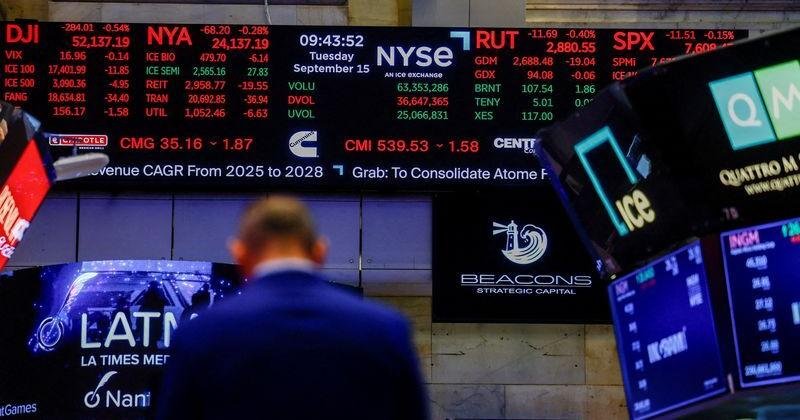
While the stock market has seen wild swings lately, the S&P 500 is up 13.5% so far in 2026 and has more than doubled since early 2021.
At the same time, the advent of generative AI in late 2022 has rippled through the labor market in ways economists are still debating, while President Donald Trump’s immigration crackdown and trade war are also keeping businesses cautious.

The result has been a prolonged low-hire, low-fire job market that’s left many workers of all ages stuck in limbo. In fact, even though the economy remains solid, finding a job has been harder for people out of work.
A report from the San Francisco Fed last week found the job-finding rate for the unemployed and those out of the workforce have both declined since January 2023, a reversal from the post-pandemic trend and an anomaly from typical economic expansions.
The slide in job finding among the unemployed is particularly large for college-educated workers, who normally find jobs quickly even in weaker labor markets.
“These patterns suggest that the current slowdown may reflect structural forces rather than being a signal of a cyclical downturn,” researchers wrote.