An age-old dilemma for investors is how reap the rewards of a booming stock market without risking your neck. This is investment reporter Tim Shufelt filling in for Scott Barlow, and today we’re talking about how to have it both ways. Plus, move over sports gambling, sports investing is coming in hot. And we’ll give the final (?) word on whether that morning cup of coffee is healthy or not.
Portfolios
A detour from the AI trade
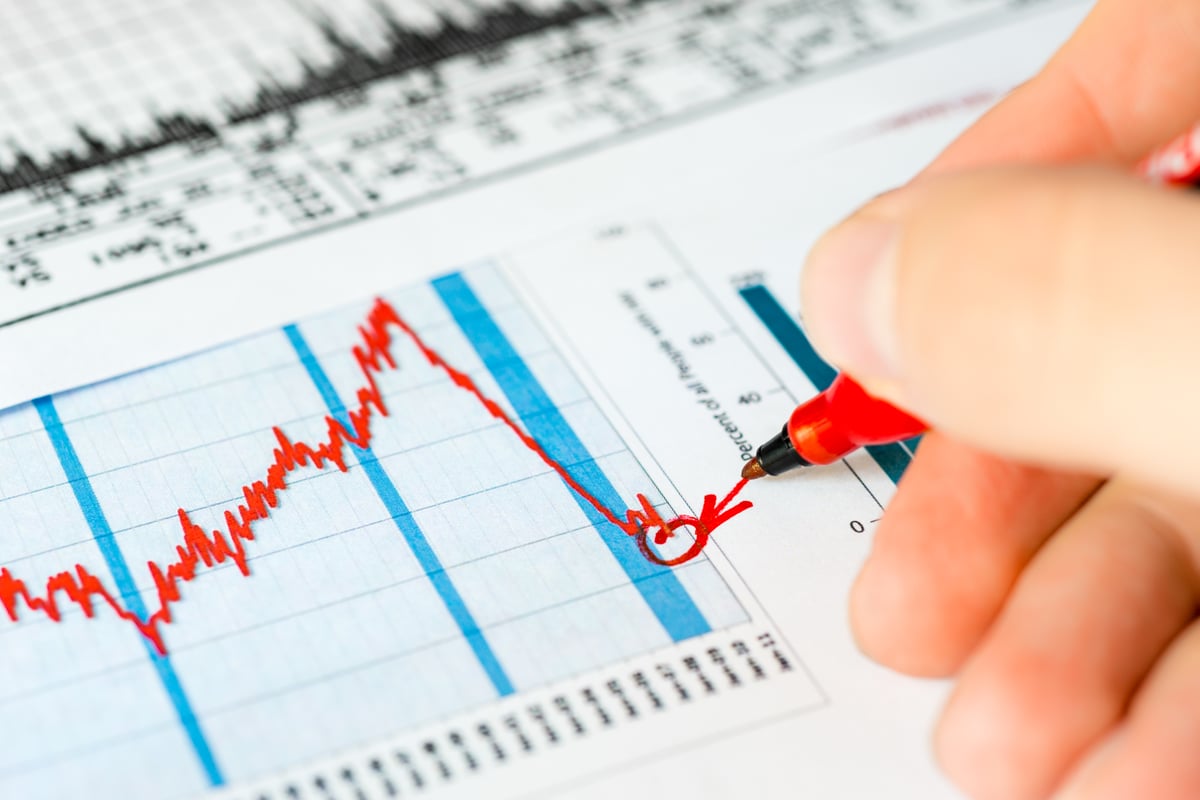
Have you heard we’re in a stock market bubble? Perhaps it’s even the mother of all bubbles, or the dot-com bubble on steroids. The headlines are endless. Michael Burry recently sounded the alarm. Yes, we know his Big Short bona fides, but he has now called a top to this market 20-odd times in recent years, by a rough count.
For do-it-yourself investors, it doesn’t really matter. Bubbles can inflate for a very long time and spin off incredible riches in the process. You need to figure out a way to stay in the game without losing your shirt, or your marbles.
But, it’s a tricky time to hedge against artificial intelligence fever. Bonds, especially longer-duration Treasuries, got thumped this summer as global yields spiked. Cash pays next to nothing. Gold can’t find a foothold after having a monster 2025. And the less said about crypto, the better.
Thankfully, geography has emerged as a handy diversifier. It wasn’t always so. The 2010s, for example, belonged to the U.S., while the rest of the world traded in pretty close proximity to each other. And then the bull market that emerged from the COVID-19 pandemic was a unified, global phenomenon. The correlation of the TSX to the rest of the world in those years hovered around 85 per cent – near lockstep, according to a new report from Purpose Investments.
We’re now seeing much more dispersion across different markets. The two-year average correlation of the TSX to international markets has dropped to less than 60 per cent for the first time since 2018, the report said. Plus, the leaderboard keeps scrambling. In 2024, U.S. stocks carried the day. Last year, it was Europe. And so far this year, Asian stocks have taken the lead. Geographic diversification is working again.
While the valuation gap against the U.S. has narrowed, it is still compelling, especially for Asian equities.
Non-U.S. markets offer a natural hedge against AI. By Purpose’s calculations, nearly half of U.S. stock market’s value is pegged to AI companies. For the rest of the world, it’s closer to 10 per cent. But you’ve got to be choosy. South Korean and Taiwanese stocks, for example, are heavily exposed to AI through their large microchip manufacturers.

Pittsburgh Penguins right wing Ville Koivunen beats Tampa Bay Lightning centre Jake Guentzel to the puck during an NHL game in Tampa in December, 2025.Chris O’Meara/The Associated Press
ETFs
Going top shelf
Wall Street wants to turn your hockey team into an ETF. This week, Volatility Shares filed to register 32 new hockey ETFs, each one tied to a different franchise. Not only does this move push the envelope as to what can be stuffed inside an ETF wrapper. It also blurs the line between investing and gambling a little further.
We already have sports betting. If you’ve turned on your TV at any point in the last few years, you’re well aware of this. Prediction markets then took betting on sports to new frontiers. Now, sports gambling is beginning to encroach on traditional financial markets.
According to Sumit Roy at ETF.com, here is how the new hockey ETFs will be structured: “Each index turns a team’s play into a single number that starts every season at 7,500, moves in real time as games are played, and resets once the postseason ends. Good plays push the index up, while bad ones drag it down.”
Wild stuff. But I’m willing to wager there are plenty of Canadian investors who wouldn’t mind the opportunity to short-sell the Toronto Maple Leafs.
Diversions
Make up your mind, science
We’re all familiar with health science’s flip-flops. First, moderate drinking was good for you, then it wasn’t. Nuts and seeds once had a bad reputation for their fat content, now they say everyone should be eating them.
Nothing in our diets has seen the consensus swing around more than coffee. Finally, the debate seems to be largely settled, according to Scientific American.
Recent studies have linked coffee drinking to lower risk of dementia, better liver health, and improved gut function. Last month, the American Heart Association confirmed that coffee may be beneficial to cardiovascular health.
There’s some nuance to the research that I’m choosing to ignore. Case closed on coffee. Now, if we could get a flip-flop on alcohol…
The essentials
Looking for our updates on market movers, analyst actions, stock technicals, insider trades and other daily, weekly and monthly insight? Click here to visit our Inside the Market page.
What’s up next
Read this week’s earnings and economic calendar here