Gary Hershorn/Getty Images
Cracks are starting to show in the US economy, but one top investment chief is saying to stick with the cyclical trade.
Signs of an economic slowdown have emerged in recent weeks, including a negative July jobs print, a drop in retail sales, and GDP growth of 1.5% in the second quarter, down from 2.1% in the previous period.
However, Michael Grant, the co-CIO at Calamos Investments, which oversees $50 billion in assets, says the US economy is in a “durable expansion” that will last for at least another couple of years.
In a recent client note, he pointed to a couple of things signaling an ongoing economic uptrend. One is the recent uptick in manufacturing, showing that economic activity is picking up. In July, the ISM Manufacturing PMI expanded for the seventh month in a row.
Another is increased productivity thanks to AI, he said. The technology will act as a deflationary force by putting downward pressure on wages and boost corporate profits by lowering costs, Grant said, and those benefits are starting to broaden throughout the economy.
“We always associated a better economy with more wages, and now it’s reversed,” Grant told Business Insider earlier in August.
Given his growth projections, Grant said investors should stay with more economically sensitive areas of the market.
“There are a lot of cyclical parts of the market that are enjoying sustainable upswings outside of the technology sector,” Grant said, adding: “You want to stay cyclical rather than defensive at this point.”
He highlighted three areas of the cyclical trade that he particularly likes.
3 cyclical trades
First, he said to look to traditional industrials, which might include industries like manufacturing, construction, and defense.
“Traditional industry was effectively in an earnings recession for the last three years, and what you started to see in spring with the ISM numbers is those picking up and those beginning to expand,” Grant said.
The sector makes up the largest part (about 34%) of the Calamos Phineus Long/Short Fund (CPLIX), which Grant manages.
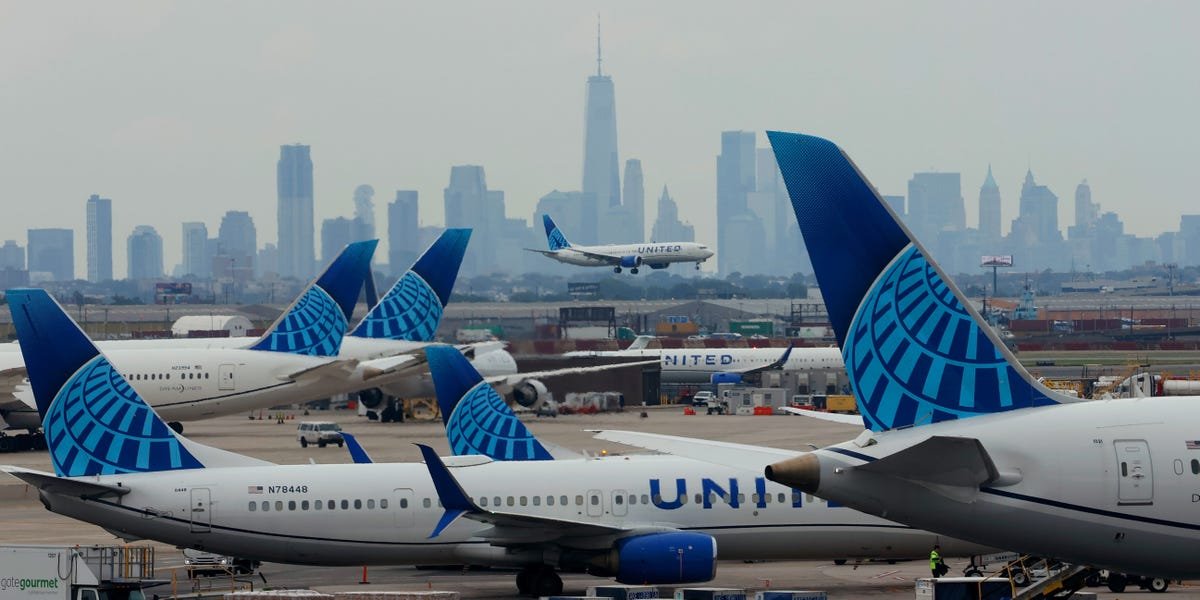
He also highlighted a subset of the industrials sector: transportation, particularly airlines and railroads.
Airline ticket prices should start to rise, he said, as they remain 10-15% below inflation levels since 2020. The industry has also benefitted from a fall in oil prices since April as they’ve kept ticket prices elevated since the start of the US-Iran war.
Train shipping, meanwhile, has picked up as road shipping has become more expensive.
Some railroad and airline stocks in CPLIX include United Airlines (UAL), Union Pacific (UNP), and Canadian Pacific Kansas City (CP).
Examples of funds offering exposure to these trades include the US Global Jets ETF (JETS), the SPDR S&P Transportation ETF (XTN), and the Vanguard Industrials ETF (VIS).
Read next
William Edwards is a senior investing reporter at Business Insider primarily covering the US stock market and the broader economy.He’s interviewed some of the most influential voices in the market, including Joseph Stiglitz, Jeremy Grantham, Rick Rieder, Rob Arnott, Savita Subramanian, Nouriel Roubini, Ken Rogoff, Mike Wilson, Claudia Sahm, Albert Edwards, Andrew Ross Sorkin, Ben Snider, and more.William launched BI’s annual Oracles of Wall Street list (2023, 2024, 2025), highlighting top calls from strategists, economists, and analysts. He also writes BI’s Where to Invest $10,000 column, and contributes to the First Trade newsletter.Prior to Business Insider, William covered the US economy for Bloomberg News in Washington, DC and contributed to TV tech coverage for CNBC in San Francisco. He has also spent time studying or reporting in France, Germany, and Tunisia.He is based in New York.