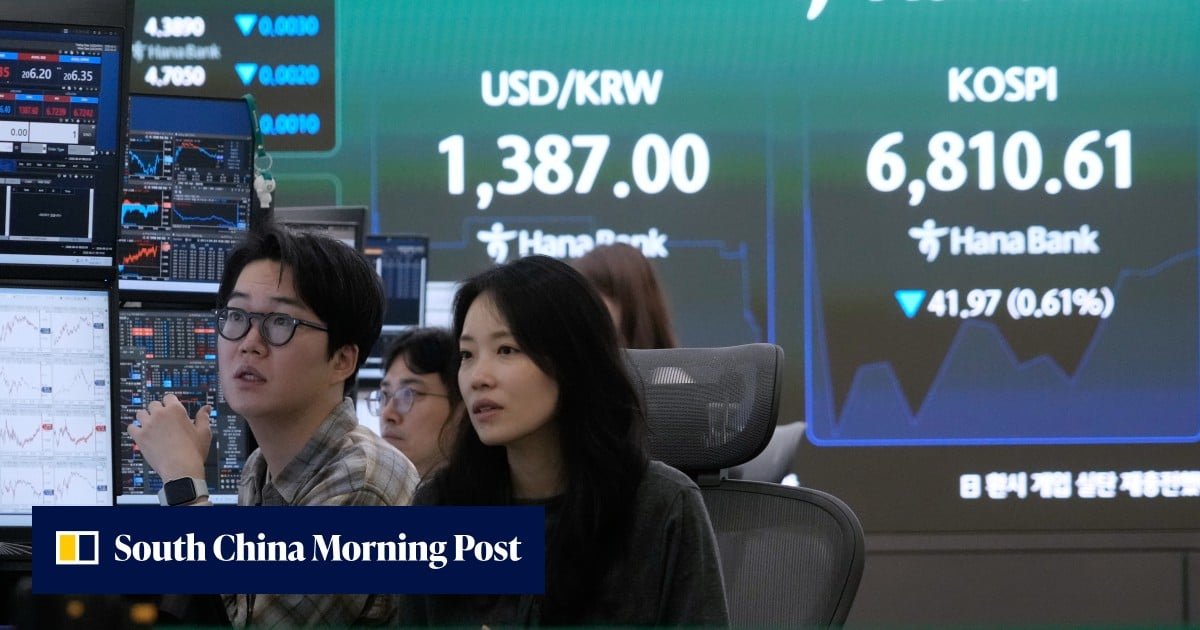
‘I don’t think I will ever invest in the Kospi again,’ says an emotionally drained retiree who, like others, is reeling from the rout
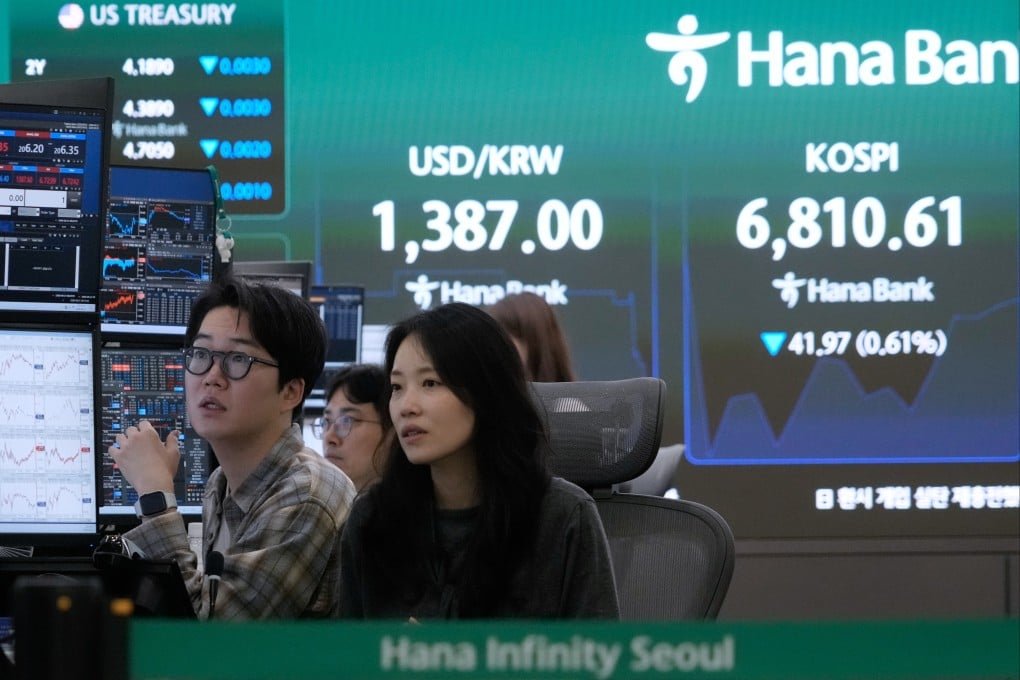
It was a vision to give
South Korea a stock market that reflected its true economic dynamism, by shedding regulatory taboos and encouraging bolder bets – instead, it created an investor trauma that could take years to shake.
The 30 per cent decline in the Kospi benchmark since its June 19 peak has hurt President Lee Jae Myung’s government politically and turned the spotlight on an economic system that drove retail investors into poorly understood leveraged products.
It has also raised questions about how South Korea, a tech powerhouse, can progress to developed market status when it hosts such extreme behaviour by retail investors, known locally as “ants” for their tendency to swarm into trades.
“Ultimately many who entered the market may have suffered severe losses and a majority of them could become so traumatised that they lose interest in investing altogether,” said Jeon Suk-jae, a YouTuber whose investment channel has 3.7 million subscribers.
In the two months since the market’s peak, Jeon has seen the comments on his channel, which hosts videos like the one titled “the entire nation is intoxicated by stocks”, flip from euphoria to gloom, broadly tracking the national mood.
Beyond the losses – some realised, some still on paper – there is a psychological reckoning that the nation’s leaders are dealing with.
Demand for psychiatric help is rising and other signs of stress are rattling the public. Police in Busan said they had arrested a man in his 20s who is suspected of attempted murder over the stabbing of a YouTuber he allegedly blamed for his stock losses.