Article content
I just returned from my summer holidays after deliberately stepping away from the markets and the daily news cycle. Every year, I find value in creating some distance from the constant stream of headlines, earnings releases, economic data and political commentary. The goal is simple: reset my big-picture thinking, challenge my internal assumptions and reduce the influence of what may ultimately prove to be short-term noise.

THIS CONTENT IS RESERVED FOR SUBSCRIBERS ONLY
Subscribe now to read the latest news in your city and across Canada.
- Exclusive articles from Barbara Shecter, Joe O’Connor, Gabriel Friedman, and others.
- Daily content from Financial Times, the world’s leading global business publication.
- Unlimited online access to read articles from Financial Post, National Post and 15 news sites across Canada with one account.
- National Post ePaper, an electronic replica of the print edition to view on any device, share and comment on.
- Daily puzzles, including the New York Times Crossword.
SUBSCRIBE TO UNLOCK MORE ARTICLES
Subscribe now to read the latest news in your city and across Canada.
- Exclusive articles from Barbara Shecter, Joe O’Connor, Gabriel Friedman and others.
- Daily content from Financial Times, the world’s leading global business publication.
- Unlimited online access to read articles from Financial Post, National Post and 15 news sites across Canada with one account.
- National Post ePaper, an electronic replica of the print edition to view on any device, share and comment on.
- Daily puzzles, including the New York Times Crossword.
REGISTER / SIGN IN TO UNLOCK MORE ARTICLES
Create an account or sign in to continue with your reading experience.
- Access articles from across Canada with one account.
- Share your thoughts and join the conversation in the comments.
- Enjoy additional articles per month.
- Get email updates from your favourite authors.
THIS ARTICLE IS FREE TO READ REGISTER TO UNLOCK.
Create an account or sign in to continue with your reading experience.
- Access articles from across Canada with one account
- Share your thoughts and join the conversation in the comments
- Enjoy additional articles per month
- Get email updates from your favourite authors
Sign In or Create an Account
or
Article content
Article content
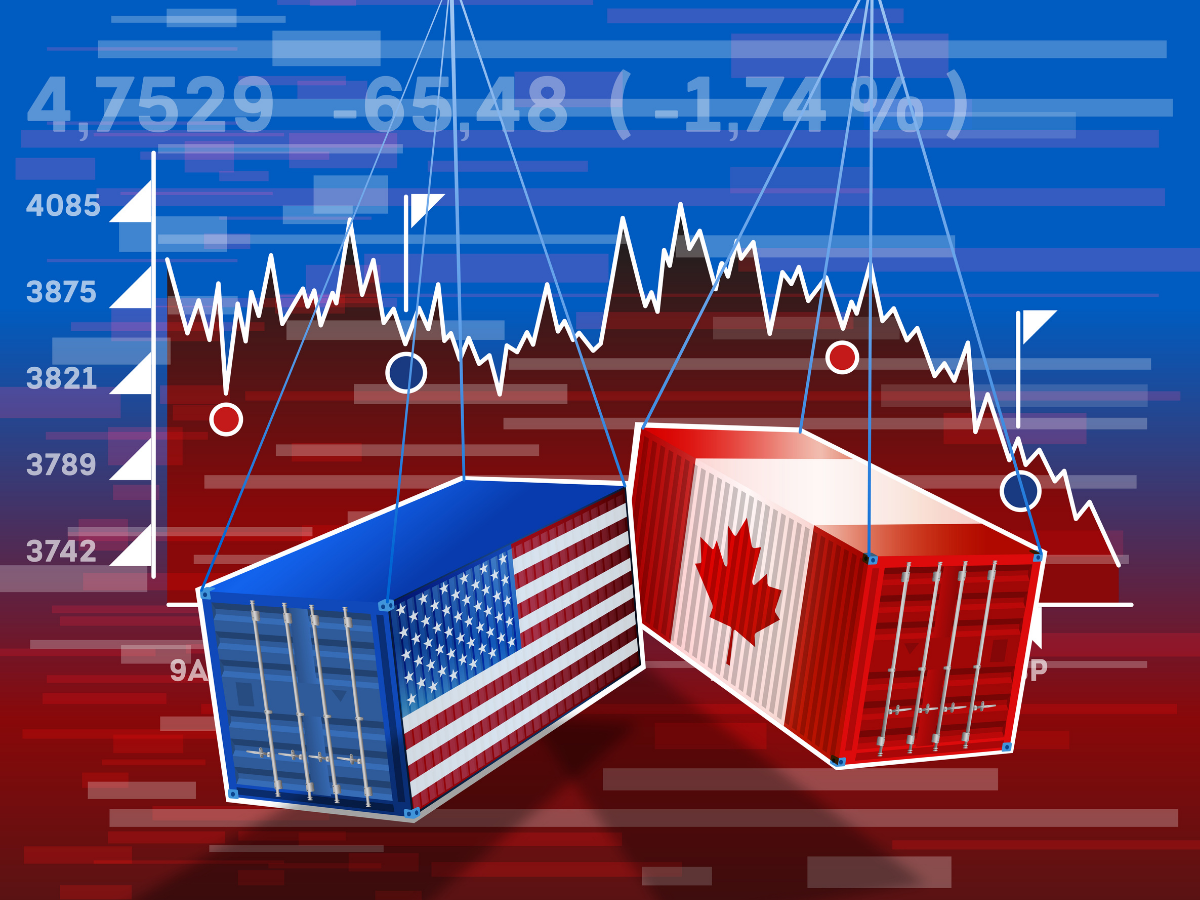
While the break was refreshing, I have to admit it was difficult to completely disconnect given the escalating trade tensions between the United States and Canada. The steady stream of tariff threats, negotiations and retaliatory measures continued to dominate headlines, adding another layer of uncertainty for businesses, consumers and investors alike.
Article content
Article content
By signing up you consent to receive the above newsletter from Postmedia Network Inc.
Article content
The longer this dispute remains unresolved, the greater the risk that companies delay capital spending, manufacturers rethink supply chains and hiring decisions are postponed until there is greater clarity. Businesses can adapt to many challenges, but uncertainty is often the most difficult variable to manage.
Article content
The risks are particularly acute for Canada. Roughly three-quarters of Canadian merchandise exports are destined for the United States, making continued access to our largest trading partner essential for economic growth. Yet for years we have made it increasingly difficult to develop and export our own natural resources. Policymakers continue to talk about diversification, but diversification requires pipelines, ports, infrastructure and investment. Without them, Canada enters trade negotiations with fewer options and less bargaining power than it should have.
Article content
Article content
As a result, escalating trade barriers have the potential to weaken business investment and reduce export competitiveness, placing additional pressure on an economy already struggling with weak productivity growth and elevated household debt. Export-oriented regions such as British Columbia, Ontario and Quebec would likely feel the impact first, but the effects would ultimately spread throughout the economy through slower growth, softer labour markets and weaker business confidence.
Article content
Article content
The United States is not immune either. While its economy is larger and less dependent on exports, tariffs effectively act as a tax on businesses and consumers. Higher import costs can squeeze corporate margins, increase prices and add inflationary pressure at a time when policymakers are already trying to balance economic growth with price stability. Many American manufacturers also rely on Canadian energy, raw materials and intermediate goods, meaning disruptions can ultimately raise costs and reduce efficiency across supply chains on both sides of the border.