Prosper Junior Bakiny, The Motley Fool
6 min read
Some investors fear that a market crash is on the way. Given significant geopolitical tensions, elevated inflation, and other macroeconomic problems, that’s not outside the realm of possibility. However, others may argue that broader equities have held up surprisingly well even amid all these challenges. The S&P 500 is up by a solid 11% year to date.
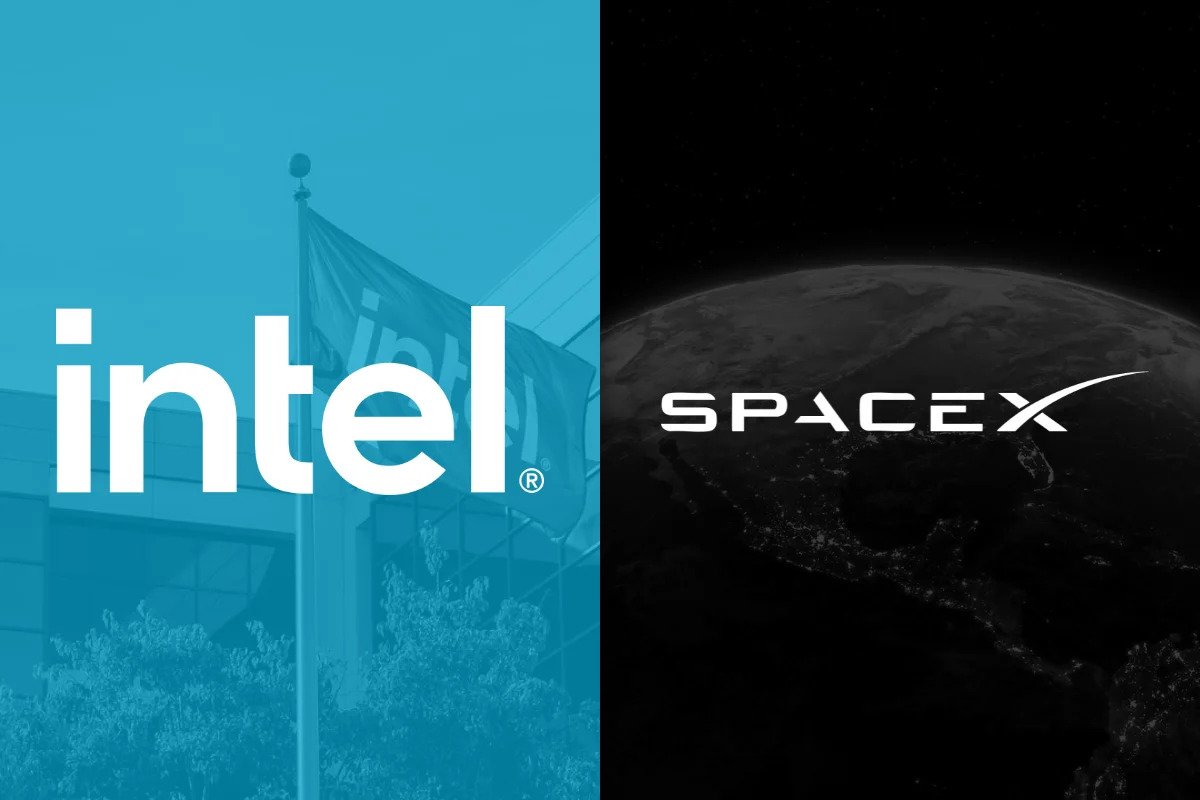
Long-term investors shouldn’t worry too much about a possible market crash, as they often create attractive opportunities to buy stocks from the discount bin. And if there is a downturn soon, two stocks I will likely be loading up on are Space Exploration Technologies (NASDAQ:SPCX) and Intel (NASDAQ:INTC). Here’s why.
Missed Nvidia in 2009? This Rare Signal Is Flashing Again. In 2009, a “Double Down” signal flashed for a little-known chipmaker called Nvidia. For the first time in years, that same “Total Conviction” signal is flashing for a company 1/100th the size of Nvidia. Continue »
Image source: The Motley Fool.
1. Space Exploration Technologies
SpaceX has a lot going its way. It is an innovative company that has revolutionized space travel through pioneering reusable rockets. SpaceX has a healthy lead over its competitors in this niche, and it is still working on important projects, including Starship, a next-gen rocket that is fully reusable and has a much higher payload capacity than its current rockets. Starship could help SpaceX further reduce space travel costs and improve the business’s economics.
But that’s only one aspect of the business. SpaceX’s most profitable segment right now is Starlink, which provides satellite-based internet connectivity. Starship could also improve this segment by enabling SpaceX to launch far more satellites into orbit. Then there is the company’s artificial intelligence (AI) business, where it has identified the largest opportunity. SpaceX already has partnerships in place and currently offers AI computing capacity to Alphabet (NASDAQ:GOOG) (NASDAQ:GOOGL) and Anthropic.
The latter could soon go public, increasing demand for the kinds of services SpaceX provides. Meanwhile, SpaceX’s financial results have been strong. In the second quarter, the company’s revenue increased by 92% year over year to $7.8 billion. Sales growth within the company’s AI segment was even more impressive. AI-related revenue was $2.6 billion, up 247.5% year over year. Its loss per share was $541 million, significantly lower than the $1 billion loss per share recorded in the prior-year quarter.
So, SpaceX looks like a solid business, and we haven’t even mentioned the company’s competitive advantage. SpaceX is highly vertically integrated, another factor that helps it keep costs under control. However, there is one problem with SpaceX right now: Valuation. The company has a market cap of $1.9 trillion — despite generating just $7.8 billion in its latest quarter and being unprofitable — and an incredibly high price-to-sales ratio of 65.