SoFi (SOFI -1.57%) reported the best quarter in its history a few weeks ago, and the stock fell by nearly 10%. It has since rebounded, along with many other fintech stocks, but this continues a pattern of SoFi reporting earnings that blew past expectations, only to see its stock retreat afterward.
To be clear, there was a lot to like about SoFi’s latest results, but that doesn’t mean that the stock fell for no reason. Here’s an overview of why SoFi fell after earnings, and why I’ve been adding shares to my position on any weakness.

Image source: The Motley Fool.
A record quarter by virtually every metric
SoFi’s second quarter left little room for disappointment. Just to name a few metrics that reached all-time highs, SoFi’s revenue grew by 40% to $1.2 billion, adjusted EBITDA grew 44%, net income of $157 million was the highest it’s ever been, and loan originations reached $14.8 billion.
The fintech platform now has 15.8 million members, up 35% over the past year. Brand awareness continues to improve, and SoFi’s business has been firing on all cylinders.

Today’s Change
Current Price
What’s more, SoFi’s cross-buy rate, which is the percentage of products opened by existing customers, has steadily improved from 35% to 51% over the past year. This means that not only is SoFi deepening relationships with its customers, but it is also improving its cost structure, as it’s far more efficient to get an existing customer to apply for a loan than to find a new one.
Here’s why the stock fell
The main reason SoFi’s stock initially fell after earnings was its guidance, which may sound odd, given that it wasn’t cut. In fact, management raised its full-year revenue guidance.
However, SoFi’s guidance for adjusted EBITDA and EPS was held steady. In other words, higher revenue isn’t translating to higher profits. SoFi’s CFO explained that the company is spending more on growth initiatives than originally planned.
On one hand, it’s easy to see why. The SoFi Plus premium membership product surpassed 200,000 paid subscribers in its first quarter. The cross-buy rate continues to expand, as previously noted. And loan originations are higher than ever. Holding profit expectations steady to fund projects that are delivering results is generally a smart move.
On the other hand, spending more to pursue growth adds uncertainty. Generally speaking, markets dislike uncertainty and will punish a stock (even one whose business is doing well) if it perceives an elevation in what could go wrong. And that’s why SoFi’s stock got beaten up after a stellar quarter.
The spending is working
SoFi’s cross-buy rate, climbing from 35% to 51% over the past year, is clear evidence that its reinvestments are paying off. Members are adding more products within SoFi’s ecosystem, and while the bank still has a lot of work to do in this regard, this is important progress toward its ultimate goal of becoming its members’ primary bank.
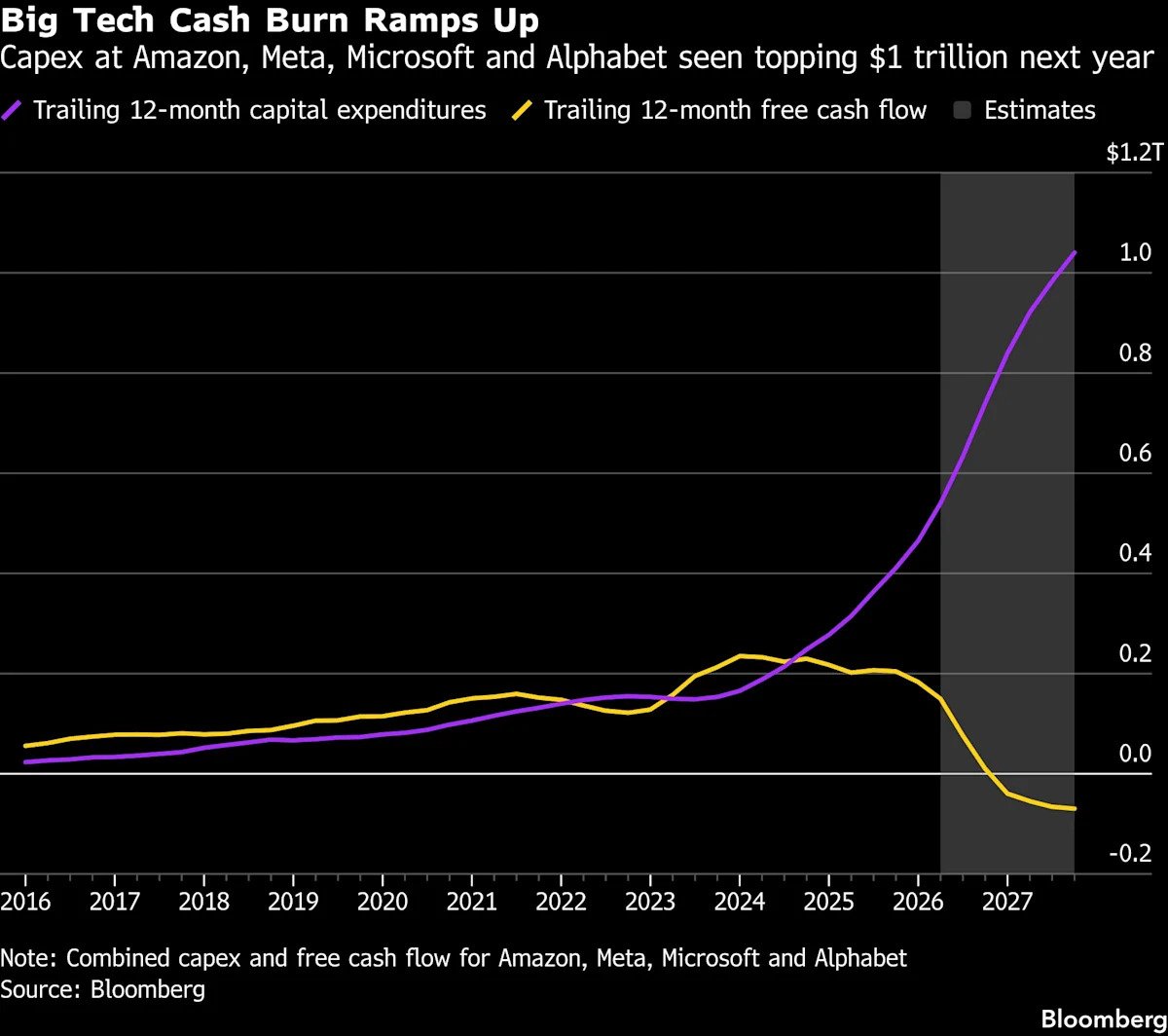
Of course, the market is allowed to be skeptical. We’re seeing this in many popular AI stocks that are ramping up capital spending to meet demand. There’s always a chance that the spending won’t produce the desired ROI. If SoFi’s cross-buy growth stalls, or if overall member growth starts to decelerate, the decision to reinvest heavily will look like the wrong one in retrospect.
Having said that, SoFi’s leadership team has done an excellent job of growing the top line, improving profitability over time, increasing brand awareness, and deepening engagement with its member base. I’m invested in SoFi for the next 10+ years, not because of what I think the company’s profit will be next quarter, which is why I’ve recently added to my already substantial position.