Fiona Craig
2 min read
Barclays strategists recommend reducing some equity risk exposure heading into September, citing seasonal market patterns, moderating economic activity and renewed pressure from interest rates and energy prices, while maintaining a constructive medium-term outlook for equities.
Strategist Emmanuel Cau said market conditions have become more volatile following the comparatively calmer summer period.
“Less beta and more tactical hedges seem wise, but a lot of hawkishness is priced in now, while resilient growth & earnings remain a key anchor to the bull market,” Cau wrote.
Barclays highlighted September’s historically weaker market seasonality, particularly in periods preceding U.S. midterm elections. The bank also pointed to softer U.S. activity data and the diminishing effect of second-quarter corporate earnings as factors affecting the near-term market environment.
Monetary policy is another consideration. Barclays economists expect the Federal Reserve to raise interest rates twice more during 2026, alongside further tightening by the European Central Bank and Bank of Japan.
The bank also identified oil prices as a source of uncertainty, with the unresolved U.S.-Iran standoff affecting the energy market. Cau described current energy-price levels as being in “the danger zone.”
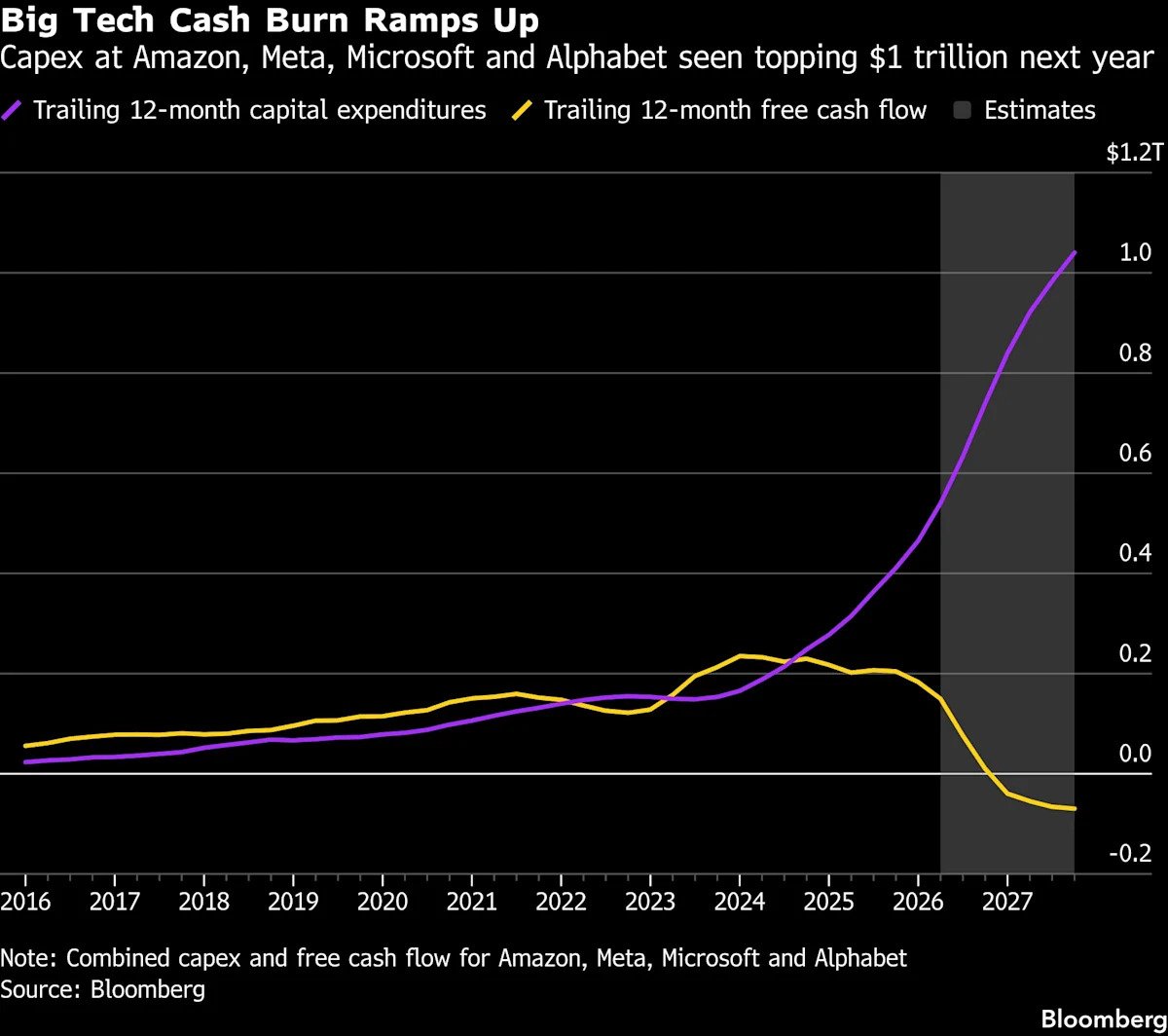
Barclays additionally said the artificial intelligence-related equity trade is becoming more mature, with greater differences emerging in the performance of companies exposed to the theme.
Despite these near-term factors, the bank said it continues to view the broader conditions supporting equities as intact.
“Big picture, however, we see these hiccups as manageable, as the key pillars supporting equities stay firmly in place,” Cau wrote.
Barclays cited resilient global economic activity, an earnings cycle in which earnings-per-share growth is running near 20%, and valuations that it said favour equities relative to bonds.
As part of its positioning, Barclays reduced overall beta exposure. The bank lowered construction materials to marketweight and raised insurance to marketweight, while maintaining a constructive stance on capital-expenditure-related opportunities across industrials, technology and mining.