With a total return of 57% over the last three years, the Schwab U.S. Dividend Equity ETF (SCHD -0.80%) has been a boon for income-focused investors who value stability and diversification. Those who already own the fund should probably hold on to it for those two reasons.
That said, no investment exists in a vacuum. And potential new investors have a lot of other options to choose from. Let’s dig deeper into the pros and cons of SCHD to decide what the next five years might have in store.

Today’s Change
Current Price
Dividends are your best friend
According to research from S&P Global, dividends accounted for a whopping 31% of the S&P 500‘s total return since 1926, making them a vital part of any long-term investment strategy. This might sound surprising considering blue chip stock yields tend to be relatively small. But these payouts benefit from compounding as they are reinvested into more shares that continue growing and paying more dividends.
And while returning cash directly to investors creates more tax exposure than other strategies like stock buybacks, investors can mitigate the impact by using a tax-advantaged account (such as a Roth IRA). Furthermore, the new cash can be invested in different assets to boost portfolio diversification.
SCHD provides a solid foundation for a dividend investing strategy. The fund aims to track the total return of the Dow Jones U.S. Dividend 100 index, which is a collection of high-yielding companies with a track record of consistent payouts. Most of the portfolio is weighted toward consistently profitable parts of the U.S. economy, like healthcare and consumer goods, including household names like Coca-Cola, Merck, and Home Depot.
The size of the index gives it built-in diversification, while its screening based on financial stability metrics helps minimize volatility. But the main point is the dividend. Right now, SCHD offers a yield of 2.99%, and its payout has grown at an annual rate of 7.53% over the last five years.

Image source: Getty Images.
What will the next five years have in store?
SCHD’s portfolio companies are so mature and diversified across many industries that investors should expect them to track with the health of the overall U.S. economy. Essentially, if gross domestic product continues to grow and consumers continue to spend, the companies of the Dividend 100 Index will continue to enjoy the incremental earnings growth that allows them to expand and increase their dividend payouts.
But the long-term outlook isn’t all peaches and cream. With a portfolio weighting of just 8.2% to technology companies, SCHD will not capture the full benefit of megatrends like generative AI, which has helped the Nasdaq-100 deliver a total return of 92% over the last five years (SCHD returned a comparably modest 57%). That said, there could be a silver lining to the situation.
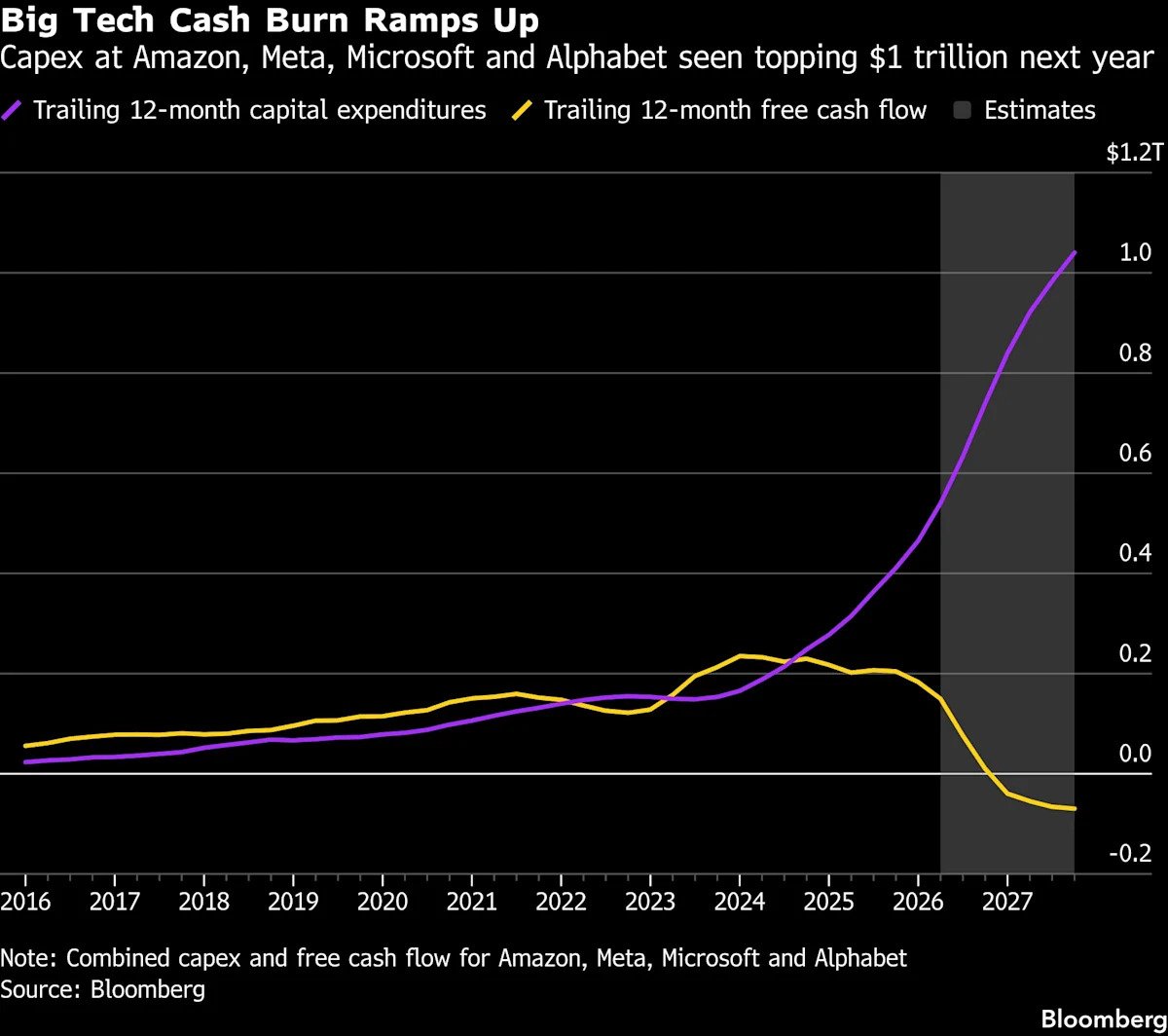
While AI-related companies are booming right now, there is no guarantee that this will always be the case — especially as concerns about spiraling data center spending and Chinese competition mount. SCHD gives more safety-focused investors a way to earn a good return while minimizing their exposure to a potential bubble that could hurt tech-heavy indexes.
Is SCHD a buy?
The Schwab U.S. Dividend Equity ETF looks like a strong buy for investors who are willing to forgo a little growth potential in favor of stability and compounding income. Over the next five years, it looks likely to maintain its track record of capital appreciation and dividend payout growth.
That said, the Trump administration remains a wildcard for anyone looking to buy U.S. stocks right now. And a combination of hard-to-predict trade policy, rising bond yields, and inflation could persuade some investors to sit on the sidelines until lower prices potentially become available.