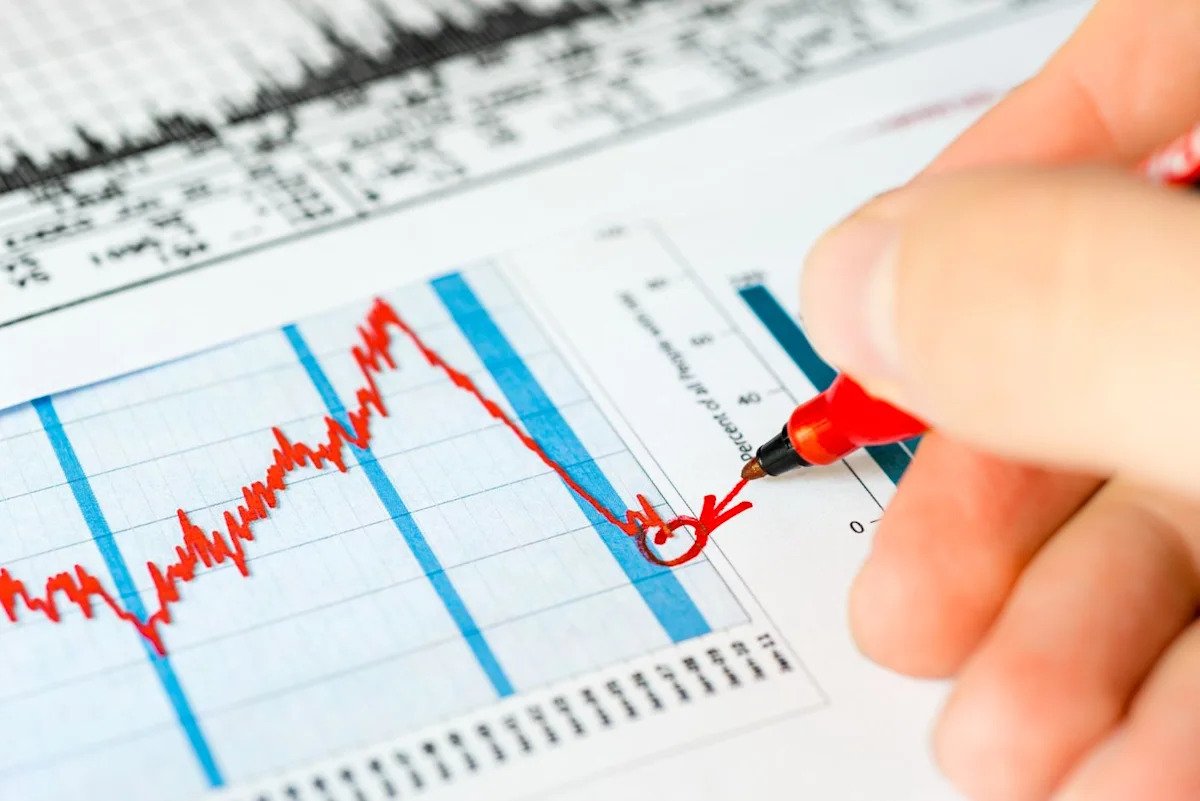
Nobody wants to see their portfolio fall by 30%.
That’s why a lot of investors decide to sell their stocks when it looks like the risk of a market crash is getting higher. If you can get out before the drawdown, you might be able to avoid at least some of the losses, wait for things to improve, and hopefully get back in when prices are lower. At least, that’s the idea.
Missed Nvidia in 2009? This Rare Signal Is Flashing Again. In 2009, a “Double Down” signal flashed for a little-known chipmaker called Nvidia. For the first time in years, that same “Total Conviction” signal is flashing for a company 1/100th the size of Nvidia. Continue »
It sounds reasonable enough. In reality, it’s incredibly difficult to pull off. Even a lot of the pros have trouble doing it with any consistency.
The true downside of market timing comes from what you might miss out on. History suggests that trying to time a crash could actually cost you a lot of money.
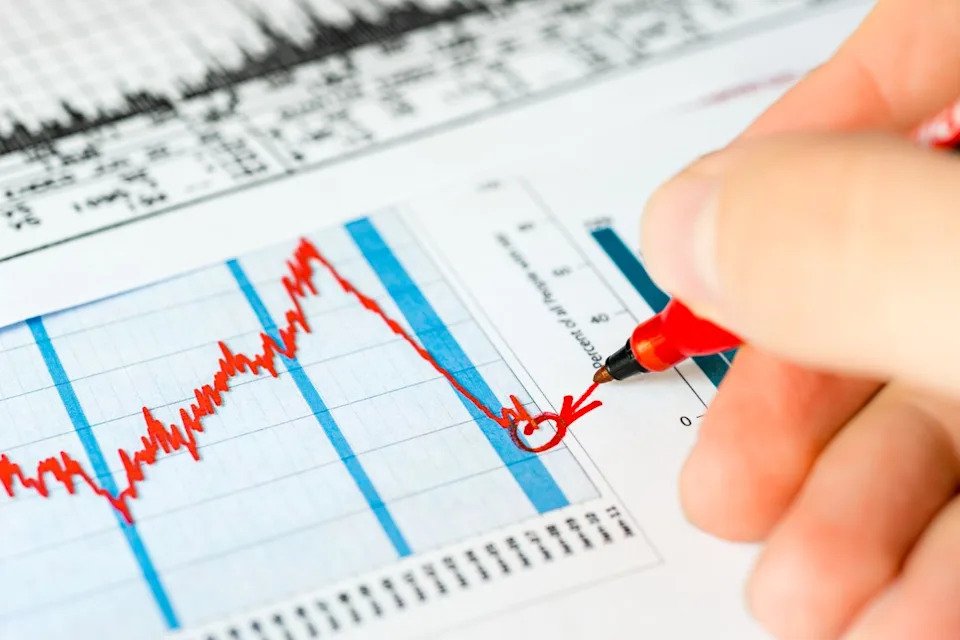
Missing just a few good days can make a huge difference
Fidelity recently did a study that looked at what would have happened to $10,000 invested in the S&P 500 (SNPINDEX: ^GSPC) from the beginning of 1998 through the end of 2025.
An investment that was bought and held throughout this time period would have turned into roughly $616,000. But missing out on the five best days during that time frame would have reduced the total return to just $380,000. That’s nearly a quarter-million dollars lost!
This is an important consideration because big down days and big up days often get clustered together during periods of high volatility. If you’re staying out of the S&P 500 because of the down days, there’s a good chance you’re missing out on the up days, too. That will negatively affect your long-term returns.
Here’s the move I’d make with the S&P 500 instead
If you’re a long-term investor, continuing to buy the S&P 500 through a fund like the Vanguard S&P 500 ETF (NYSEMKT: VOO) makes the most sense.
Simply put, volatility is the price of admission for owning stocks. Corrections and bear markets should be expected if you’re investing for years and years. It’s how you handle them that matters most. If you continue buying through market pullbacks, you get the opportunity to buy shares at discounted prices. Doing this could actually help improve your long-term returns.
History provides some useful perspective. Vanguard calculated that from 1980 to 2023, bear markets produced an average loss of 30% and lasted more than nine months. Bull markets, on the other hand, generated an average gain of 96% and lasted nearly three years.