NEW YORK (AP) — The U.S. stock market is holding steady Wednesday after the Federal Reserve showed it’s trying to get the nation’s high inflation under control by hiking interest rates for the first time in three years. A drop for oil prices and easing pressure from the bond market also helped keep Wall Street firm.
Investors would almost always prefer lower interest rates because higher rates slow the economy’s growth and undercut prices for stocks and other investments. But because prices for gasoline, food and other costs of living have been shooting so much higher for so long since the COVID-19 pandemic, the thought is that the short-term pain will be worth the long-term benefit of getting inflation back toward 2%.
The S&P 500 rose 0.3% was on track for just its second gain in the last eight days. The Dow Jones Industrial Average was down 13 points, of less than 0.1%, as of 2:25 p.m. Eastern time, and the Nasdaq composite was 0.7% higher. They remained close to where they were before the Fed’s announcement at 2 p.m. in Washington.
Stocks got help from some easing for oil prices and pressure from the bond market. The price for a barrel of Brent crude, the international standard, fell 2.9% to $105.63. Oil had gotten to nearly $110 early this week on worries that the war with Iran will continue to clog the global flow of oil.
That helped send the yield on the 10-year Treasury, which is the centerpiece of the bond market and dictates where rates for mortgages and other loans go, down to 4.95% from 5.00% late Tuesday. Earlier this week was the first time since 2023 that the 10-year yield topped 5%.
Even with Wednesday’s easing, the pressure remains high. Brent oil is still well above its $72 price from before the war with Iran, when the 10-year yield was at just 3.97%.
High oil prices are part of why the Fed raised rates on Wednesday, after it had been on pause for months following cuts to rates in 2024 and 2025. Officials at the central bank also say at least one more rate increase is likely still ahead.
The median Fed official expects the federal funds rate to end this year at 4.1%, according to forecasts published Wednesday. That’s up from the current range of 3.75% to 4%, and it’s up from the median forecast of 3.8% that Fed officials gave three months ago.
A report on Wednesday morning showing that shoppers spent much more at U.S. retailers last month than economists expected may have emboldened the Fed. The strong data could offer a signal that the economy remains solid enough to withstand higher interest rates.
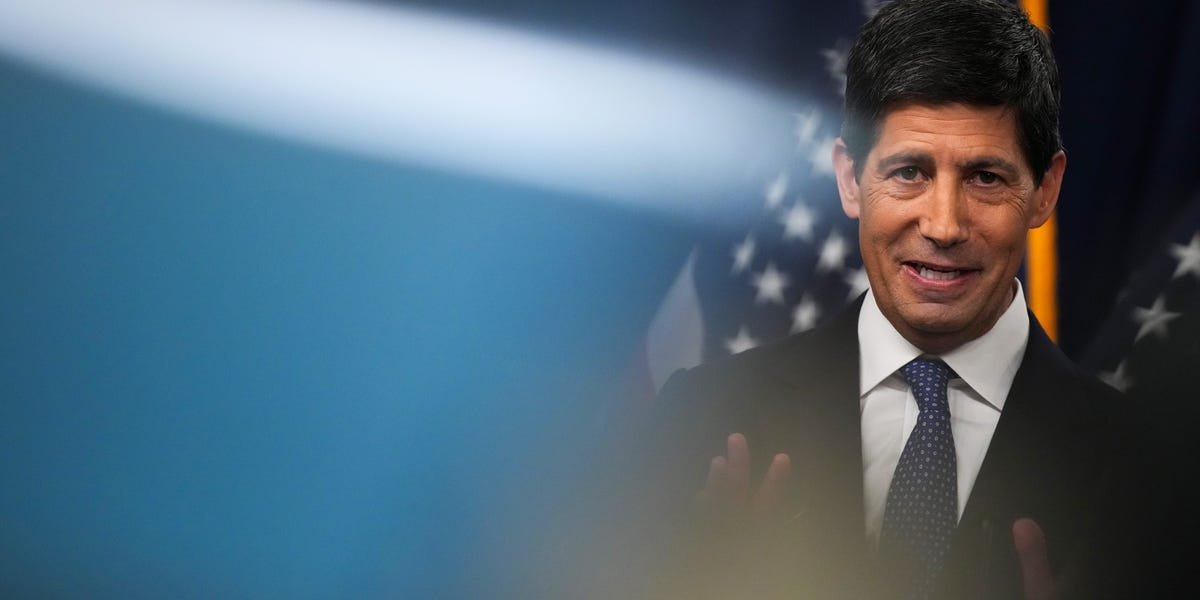
“Our decision comes at a time when the American economy appears to be strengthening,” Fed Chairman Kevin Warsh said after the announcement. He pointed to solid U.S. hiring trends, corporate profits and investments by businesses.
“The plain fact is that inflation is too high and has been for too long,” he said.
On Wall Street, stocks in the artificial-intelligence industry held steadier following their worldwide slide earlier in the week, after leaders of the AI industry called for a slowdown in development to address safety issues for humanity.
Nvidia rose 1.6%, and Advanced Micro Devices climbed 3%.
They helped offset a drop of 12.4% for J.B. Hunt Transport Services. Its chief financial officer told a conference of analysts late Tuesday that it’s facing higher costs and expects its earnings to drop 5% to 10% from the second quarter to the third.
In stock markets abroad, indexes rose across much of Europe and Asia. South Korea’s Kospi climbed 1.4% for one of the world’s biggest gains.
Inflation is a worldwide problem, and the European Central Bank hiked rates across the Atlantic last week to help diminish it.
AP Business Writers Chan Ho-him and Michelle Chapman contributed to this report.
Copyright 2026 The Associated Press. All rights reserved. This material may not be published, broadcast, rewritten or redistributed without permission.