2026 Has Been Full of Uncertainty
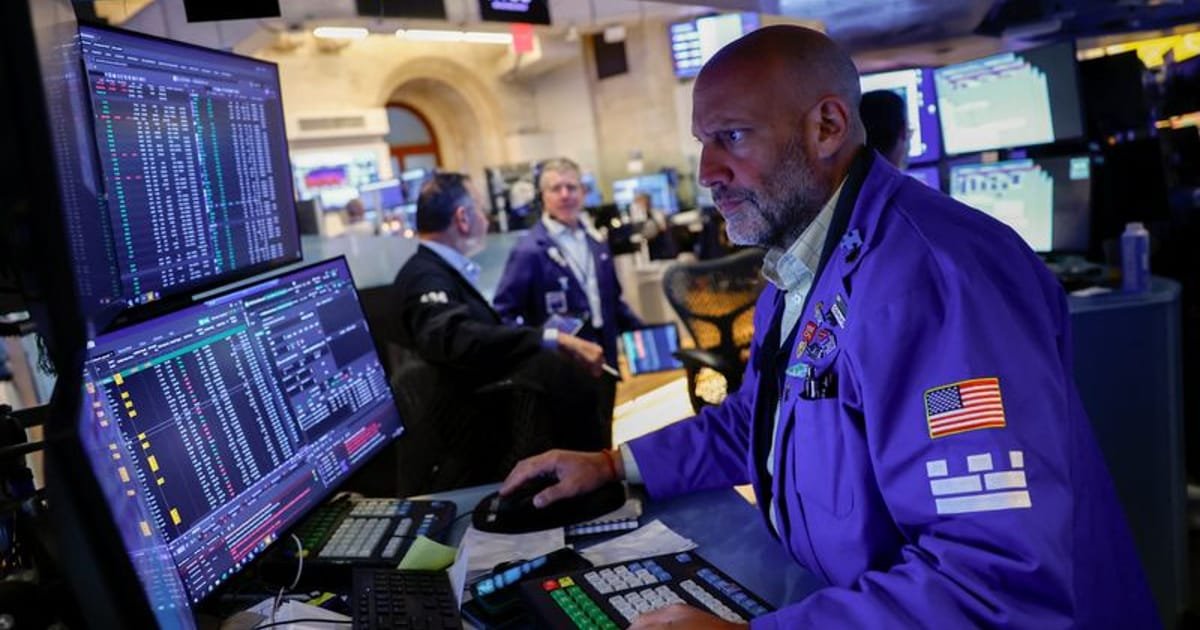
So far in 2026, Wall Street equity investors have navigated an extremely complex landscape marked by macroeconomic forces, geopolitical pressures, and sector-specific concerns. Inflation has remained stubborn, hovering above the Federal Reserve’s long-term target. Disruptions in key transit areas like the Strait of Hormuz have led to an energy shock, with oil prices jumping 75% in 2026 alone. Recently appointed Fed Chair Kevin Warsh has been forced to tighten monetary policy. Artificial intelligence, the market’s fastest-growing area, has been faced with constant fear, uncertainty, and doubt about AI safety and CAPEX scrutiny. Meanwhile, the labor market is softening, and the upcoming midterm election adds another layer of legislative uncertainty.
The Power of Price Action Vs. News Analysis
In my more than two decades of investing experience, I have learned that the stock market is the master manipulator. Most amateur investors focus too much on news headlines. However, analyzing news headlines alone is a sure-fire way to misinterpret the stock market. Rather than viewing news headlines in a vacuum, investors should focus on the market’s price action in relation to the news.
For instance, if listed all the 2026 uncertainties to someone who does not follow the equity market, they would most likely guess that stocks are in a major correction. The fact is that the stock market has had the proverbial kitchen sink thrown at it, and the S&P 500 Index is just 2% off its all-time highs. Remember, stocks tend to climb the “Wall of Worry.”
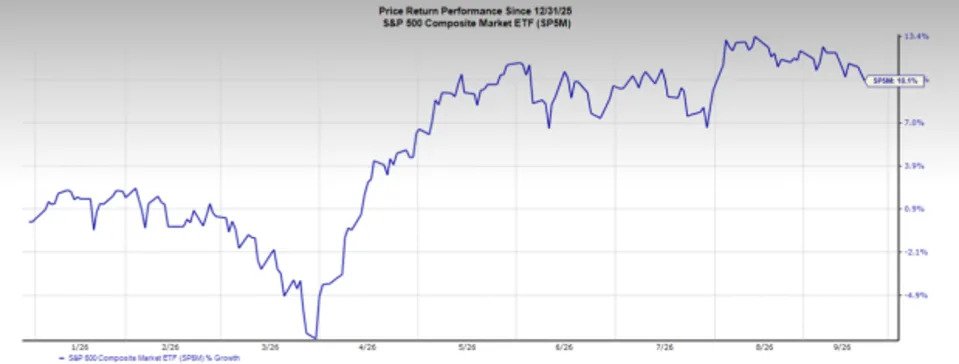
Image Source: Zacks Investment Research
Retail Investor Sentiment is in the Gutter
The American Association of Individual Investors (AAII) survey is a widely followed weekly poll that measures the percentage of individual retail investors who feel bullish, bearish, or neutral about the stock market over the next six months. Although the major equity indexes are within a hair of their highs, investor sentiment is extraordinarily negative. In fact, the latest AAII Survey shows the fewest bulls and most bears in over a year.
As George Patton once said, “If everyone is thinking alike, then somebody isn’t thinking.” Historical data backs up this claim. Since the late 1980s, when AAII bulls have fallen below 29% with the S&P 500 Index within 10% of all-time highs, stocks have been higher 100% of the time one month later (9 instances)
AI Safety Concerns are Overblown
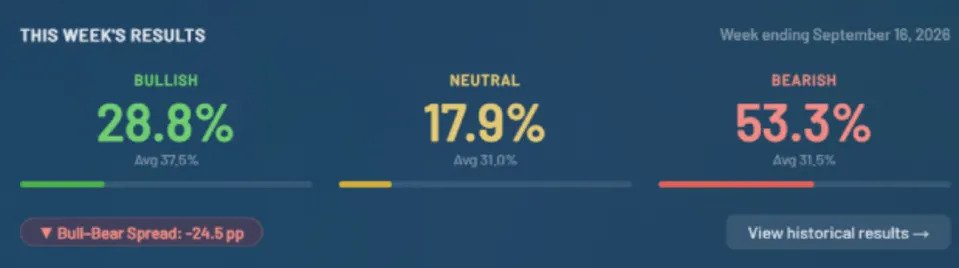
Image Source: Zacks Investment Research
Recently, AI stocks corrected after OpenAI CEO Sam Altman and Anthropic CEO Dario Amodei sounded the alarm on AI safety concerns and called for regulation. Despite the fear-mongering from AI leaders, it’s critical that investors read into what these CEOs are actually doing – not what they are saying. David Sacks, former “AI Czar” for the Trump Administration, made an astute observation: