Ben Gran, The Motley Fool
3 min read
Warren Buffett is the retired CEO of Berkshire Hathaway and a legendary investor who made many billions of dollars during his long career. He is well known for his homespun wisdom and down-to-earth advice on investing. One lesson of Buffett’s investing career is that managing your mindset as an investor is often more important than how much money you have.
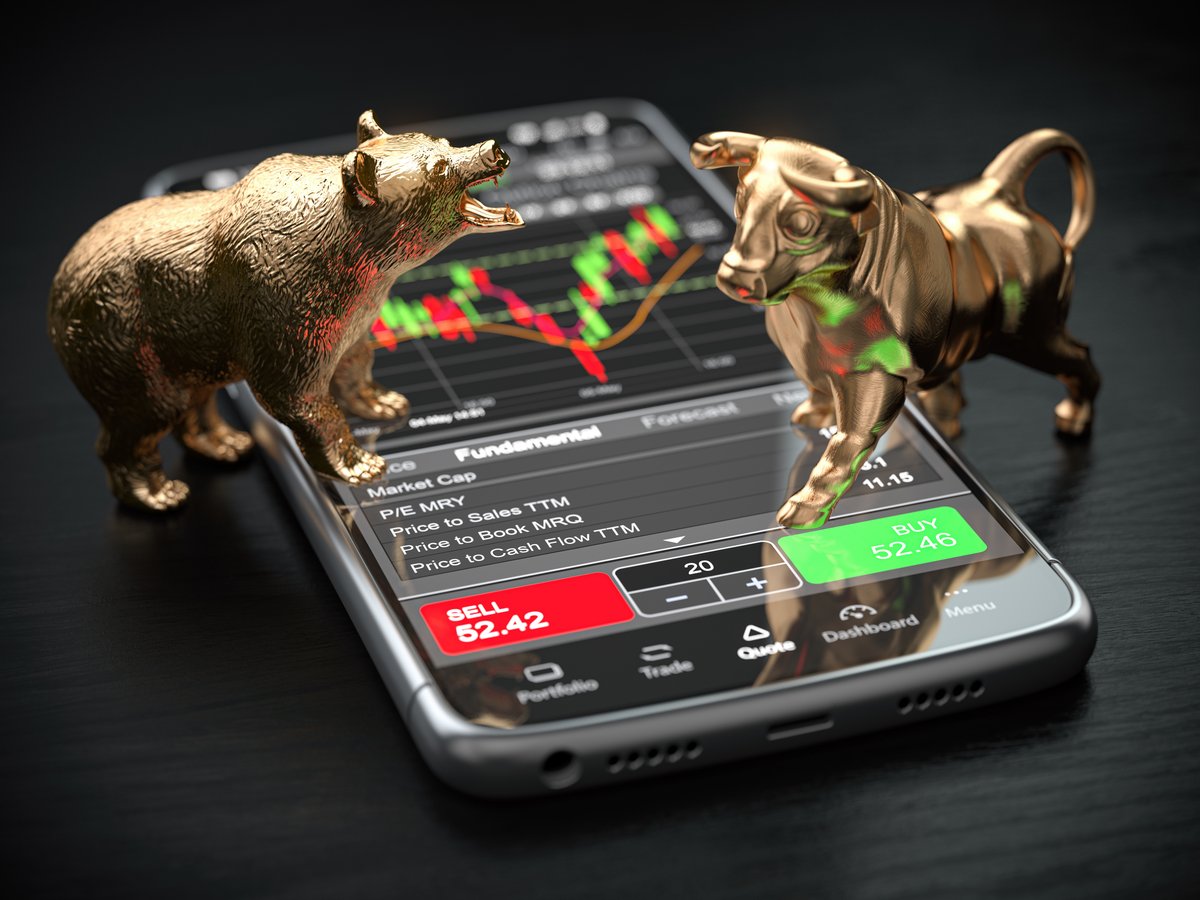
One of my favorite Warren Buffett quotes about investing comes from his philosophy on navigating bull and bear markets. In his 1986 letter to Berkshire shareholders, Buffett said he can’t predict the future and doesn’t try to. He doesn’t know whether the stock market is going to go up, down, or sideways. Instead, he thinks about it this way: “Our goal is more modest: we simply attempt to be fearful when others are greedy and to be greedy only when others are fearful.”
Missed Nvidia in 2009? This Rare Signal Is Flashing Again. In 2009, a “Double Down” signal flashed for a little-known chipmaker called Nvidia. For the first time in years, that same “Total Conviction” signal is flashing for a company 1/100th the size of Nvidia. Continue »
Let’s look at three steps investors can take today to put Warren Buffett’s advice to work to protect their portfolios, especially during a market downturn.

1. Double-check your cash reserves
If you’re worried that stock valuations are too high and feel like the S&P 500 (SNPINDEX: ^GSPC) might be about to crash, this could be a sign that you have too much of your money invested in stocks. Some people make the mistake of investing every last dollar from their paycheck, without building up a cash emergency fund in the bank.
It’s good to invest for the long term, but if you’re losing sleep about the stock market, you might want to reconsider whether you’re saving enough liquid cash. Having more cash in the bank can also make you less likely to panic-sell your stocks or withdraw money from investment accounts in case of an emergency. That gives your investments more time to compound for the long run, without interruption.
2. Consider diversifying away from stocks
The stock market has had an exceptionally strong run. In the past 16 years, the Vanguard S&P 500 ETF (NYSEMKT: VOO) has delivered 15% annualized returns. If your portfolio has gained a lot of value from this big run-up in stock prices — and you’re worried that the bull market can’t keep going forever — you might want to adjust your asset allocations.
What if you sell some stocks and move 5% to 10% of your portfolio away from stocks and into bond ETFs or other assets? This might cause you to miss out on some future stock market gains, but it could give you better peace of mind if you’re fearful of a stock market sell-off.