Between 2012 and 2025, the Schwab U.S. Dividend Equity ETF (NYSEMKT:SCHD) ended just three calendar years in the red, including the dividends it paid. And none of those losses were big. Its worst year, 2018, was a drop of around 5.5%.
That sort of record is a big reason income investors like the fund. In 2022, when the S&P 500 (SNPINDEX:^GSPC) dropped around 18% counting dividends, the dividend ETF lost only about 3%.
Missed Nvidia in 2009? This Rare Signal Is Flashing Again. In 2009, a “Double Down” signal flashed for a little-known chipmaker called Nvidia. For the first time in years, that same “Total Conviction” signal is flashing for a company 1/100th the size of Nvidia. Continue »
But I don’t think the number of losing years is what sets it apart. The S&P 500 was down in just two of those same 14 years.
What stands out is how shallow the fund’s bad years were — and how much that has cost in the good ones.
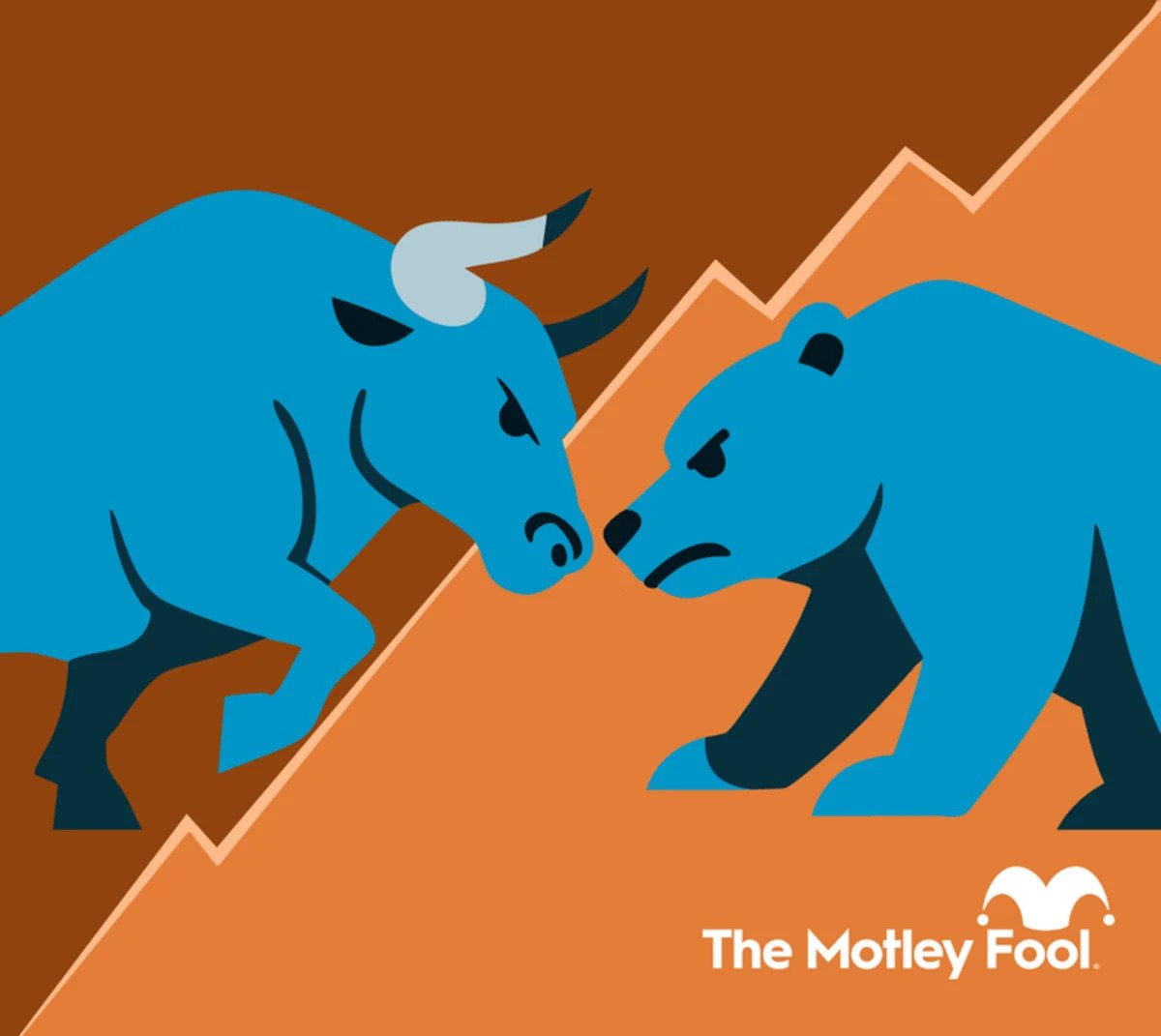
Image source: The Motley Fool.
Shallow losses
Schwab’s published yearly returns show the three losing years were 2015, 2018 and 2022. The 2015 loss hardly counts, because the fund dipped just 0.2% in a year the S&P 500 climbed around 1.4%.
In 2018, the fund’s 5.5% fall was slightly worse than the S&P 500’s 4.4% drop.
In other words, in two of its three losing years, the fund didn’t hold up any better than the overall market. The year that arguably made its reputation was 2022.
It’s also worth knowing that a full-year return can hide a rough spell in the year. The fund’s worst quarter was in the first three months of 2020, when it dropped around 22%. It still ended 2020 up about 15%.
Why did 2022 go so differently?
The answer starts with what the fund is allowed to own. It tracks the Dow Jones U.S. Dividend 100 Index, which only looks at companies with at least 10 straight years of dividend payments. From this group, the index chooses high-yielding stocks that score well on cash flow relative to total debt, return on equity, dividend yield and five-year dividend growth.
This rule left some of 2022’s biggest losers out completely. Amazon, Tesla and Meta Platforms didn’t pay dividends that year. Their stocks dropped around 50%, 65% and 64% in 2022, respectively.
The fund’s holdings still tilt the same way now. As of June 30, healthcare and consumer staples (businesses people usually keep paying for in a downturn) made up around 41% of the fund. Tech stocks made up only about 9%, compared with about 37% for the broader Schwab U.S. Large-Cap ETF.
Also, the dividend fund’s holdings were cheaper, at around 20 times earnings as of Aug. 31. The large-cap fund’s holdings were at around 25 times earnings.