The S&P 500 index (SNPINDEX: ^GSPC) is up about 12% in 2026, and the Vanguard S&P 500 ETF (NYSEMKT: VOO) has delivered annualized returns of about 15.3% for the past 10 years.
But despite this long winning streak on Wall Street, many investors are feeling anxious. Whether that anxiety is focused on artificial intelligence, higher bond yields, high stock valuations, stubborn inflation, or just a vague sense that what goes up must come down, some are seeing evidence all around that we’re about to have a stock market crash.
Missed AI’s “Act 1”? Act 2 Could Be 14x Bigger. Most investors think they missed the AI boat because they didn’t buy Nvidia in 2005. But according to our analysts, we’re only at the end of “Act 1″—the R&D phase. “Act 2” is the global rollout. Continue »
Here’s the thing: No one knows if the stock market will go up or down on any given day. The future is unknowable. But we do know that there’s one big move that every investor should try to make during a bear market.
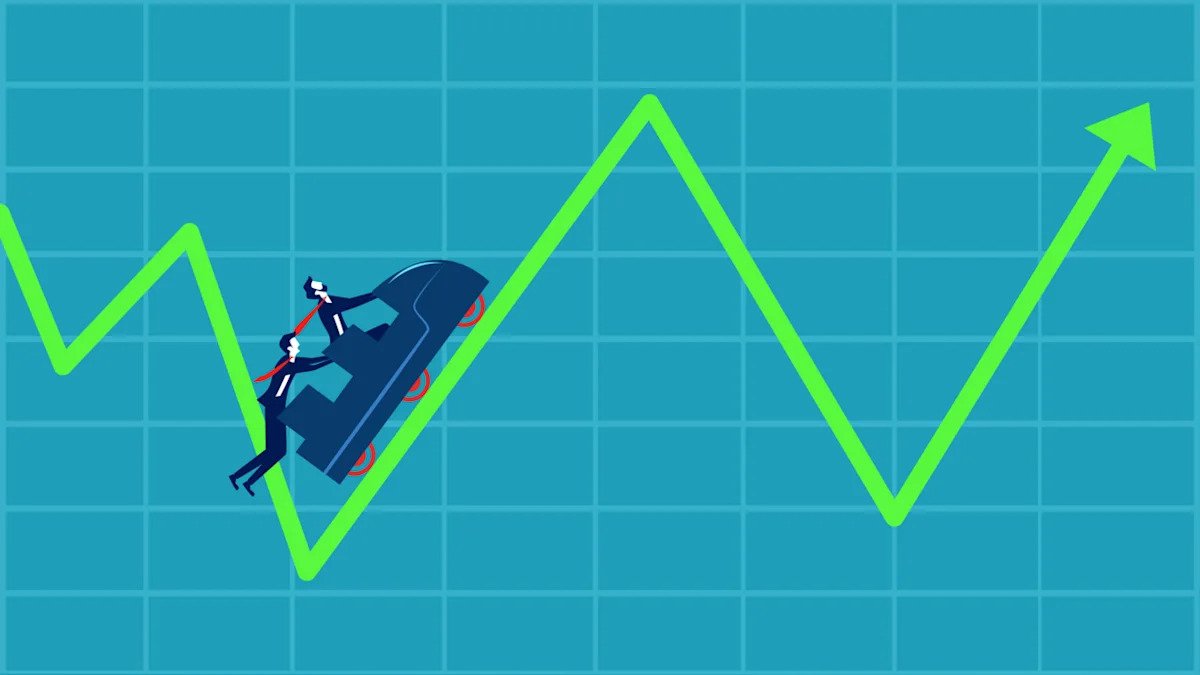
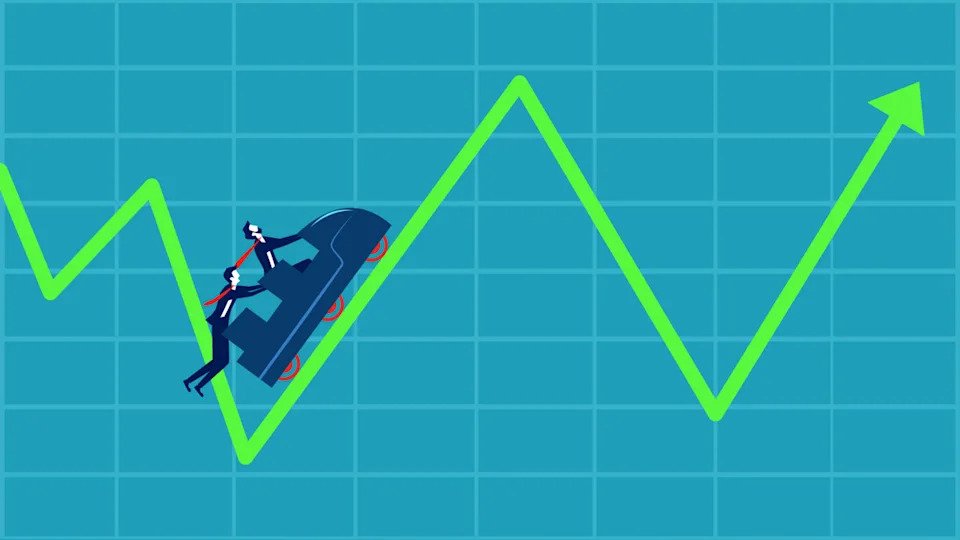
That move is: Hold on. Bear markets feel like a roller coaster, so stick to your seat (and your stocks).
Let’s look at why bear markets can test the will of buy-and-hold investors — and why most people are better off staying invested for the long haul, even if there are some big declines in the short term.
Don’t time the market — stay invested
When stock prices are plummeting, many people start to wonder if they should try to sell stocks at just the right time (before share prices drop even more), or hold off on buying more stocks until just the right time (when the market hits the bottom).
This is an understandable urge, but it’s misguided. Trying to wait until just the right time to buy or sell stocks is called timing the market. And unfortunately, it just doesn’t work.
What if you sell stocks on a day when your shares are down 10%, and then they drop another 5%? Would you really swoop in and buy back those shares? Or would the further 5% price decline make it feel too scary?
And then, what if you wait too long to buy back into the stock market, and the market bounces back faster than you can invest? That’s the really big risk of timing the market — if you try to avoid today’s stock market losses, you might end up losing even more money by missing out on future stock market gains.
The cost of timing the market: 40% lower annualized returns in 20 years
Not every day in the stock market is equally valuable to your portfolio. Just a few “good” days in the stock market make up a surprisingly large share of overall returns. Schwab recently did a study of 20 years of historical S&P 500 returns, from 2005-2024. It found that investors who missed the 10 best-performing days in the S&P 500 during those 20 years received annualized returns that were about 40% lower than the S&P 500 average return.