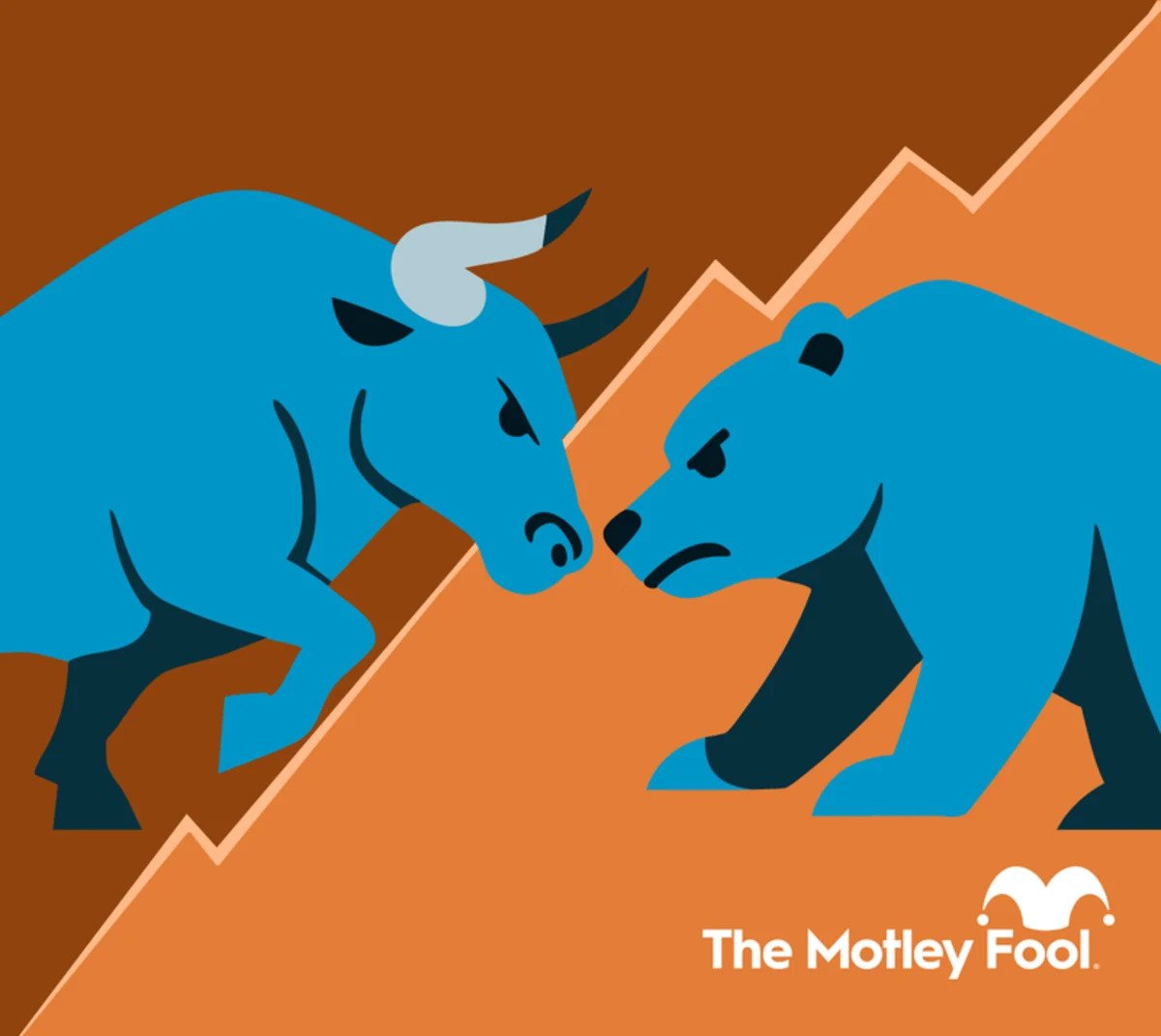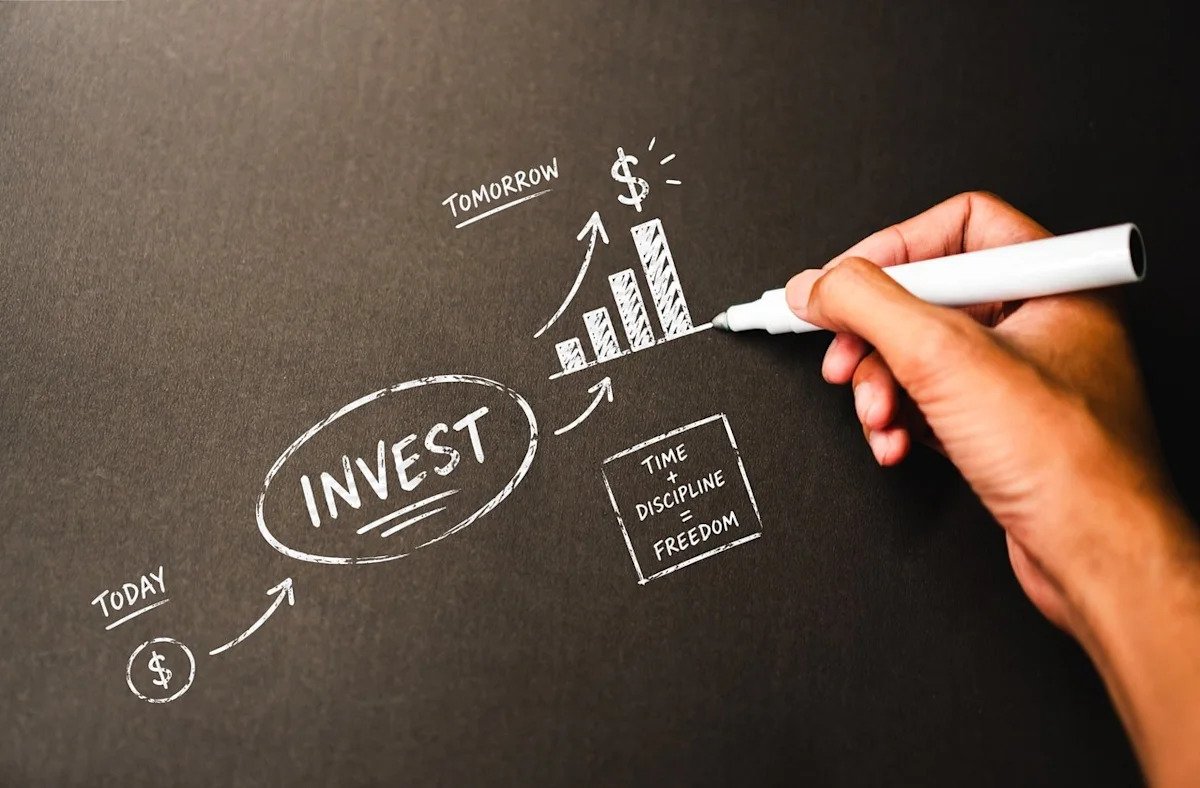
The S&P 500 index (SNPINDEX: ^GSPC) reached a new record high in October, but there are many reasons why the stock market might feel risky. Interest rates are rising. Some investors are worried about high levels of debt among companies involved in the artificial intelligence (AI) boom. Others worry that the payoff from AI won’t be big enough to recoup those costs.
The world always feels uncertain. There’s never going to be a perfect time where someone pats you on the shoulder and says: “Everything is going to be OK forever! Your money is perfectly safe in the stock market!”
Missed Nvidia in 2009? This Rare Signal Is Flashing Again. In 2009, a “Double Down” signal flashed for a little-known chipmaker called Nvidia. For the first time in years, that same “Total Conviction” signal is flashing for a company 1/100th the size of Nvidia. Continue »
During uncertain, risky-feeling moments like these, you might feel tempted to “time the market” by holding back money that you usually would put into the stock market. You might feel like pausing your regular investment contributions. But history shows that this is a mistake. Waiting to invest until stocks go lower or “the market calms down” is likely to cost you more money than it saves.
For most people, “time in the market” beats “timing the market.” Let’s take a closer look at how this works and why it’s a smart move for your investments.
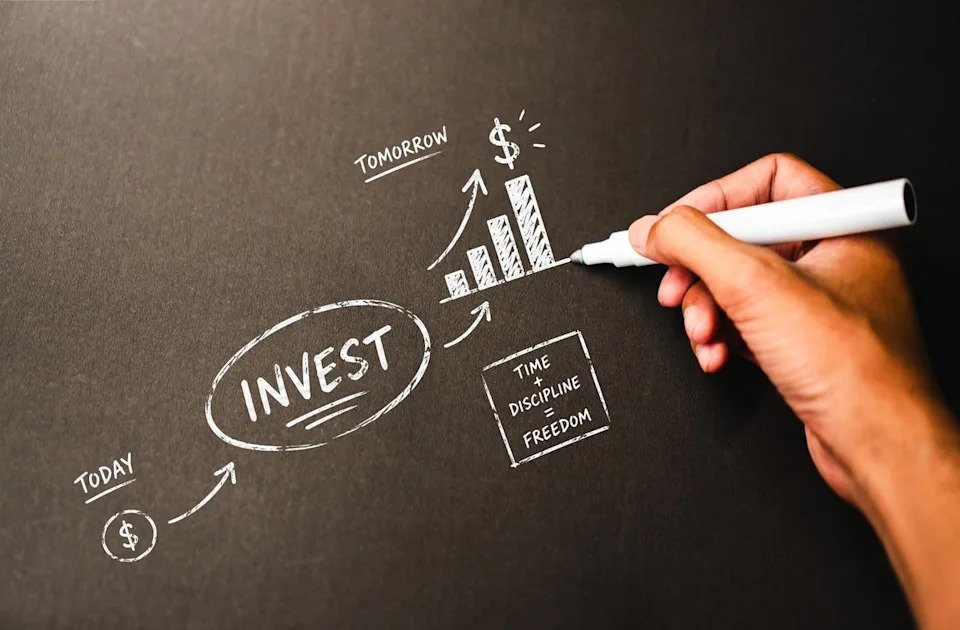
“Time in the market” = investing immediately, as soon as possible
If you have some extra cash to set aside to invest in stocks, whether it’s part of your regular 401(k) contributions, an IRA, or a brokerage account, you might wonder, “When is the right time to invest?” Based on extensive research from Schwab, the “best” time to invest is: as soon as possible. As soon as you know that your chunk of money, whether it’s $100 or $1,000 or more, is designated as long-term investment money, you should go ahead and invest it in the stock market.
The sooner you invest your money, the more “time in the market” it has to grow. It might sound counterintuitive, but this simple strategy (“invest as soon as possible”) tends to deliver the best results.
Schwab research: Why “time in the market” beats “timing the market”
Schwab’s research looked at 20 years of stock market returns from 2005 to 2024, based on $2,000 per year of investments. It analyzed hypothetical results from example investors based on:
-
Perfect market timing: Buying $2,000 worth of stocks all at once, at the S&P 500’s lowest closing level each year.
-
Longest time in the market: Buying $2,000 worth of stocks all at once, on the first trading day of the year (even if the S&P 500 was higher or lower).
-
Dollar-cost averaging: Buying $166.67 worth of stocks each month for 12 months. Many investors do this with their 401(k) plans or other retirement accounts.
-
Worst market timing: Buying $2,000 of stocks all at once on the day of the S&P 500’s highest level of the year — when stocks were most expensive.