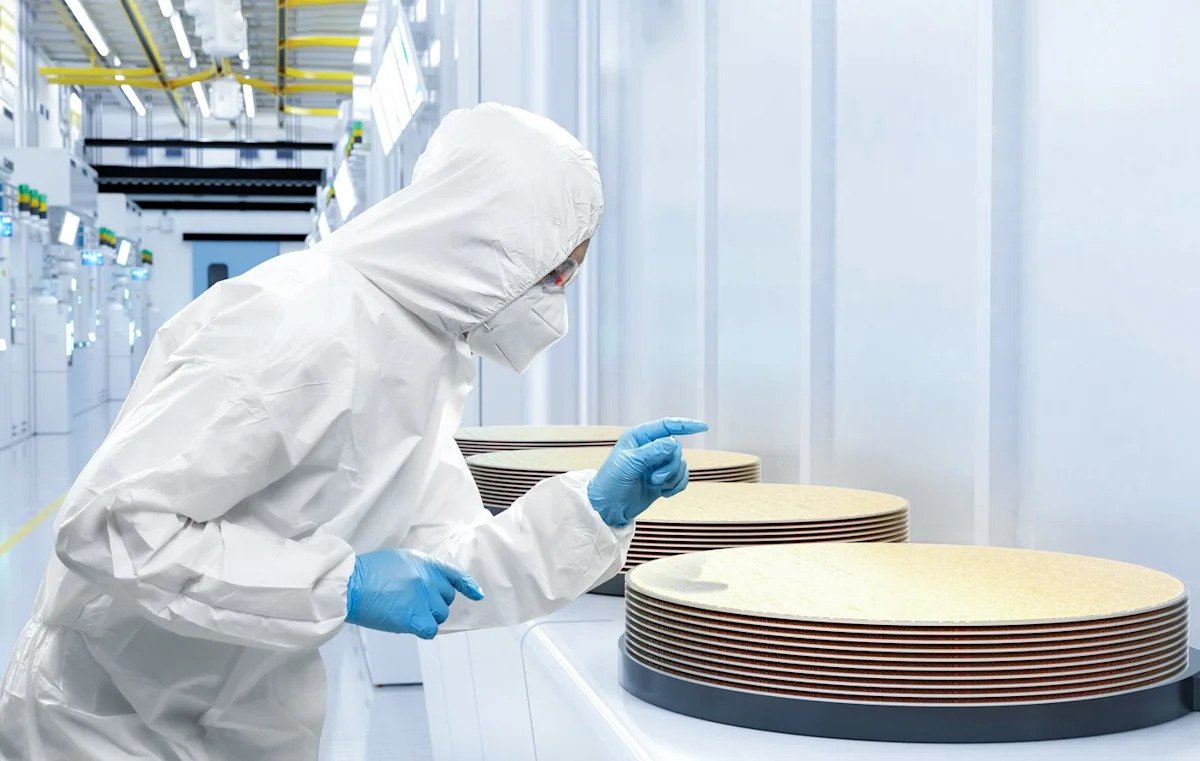
Lam Research (NASDAQ:LRCX), which sells chipmaking equipment, reported record revenue on Oct. 21. It also said limited clean-room space and shortages of some parts would stop chipmakers and equipment companies from fully meeting demand into 2027.
The PHLX Semiconductor Index dropped 6.7% on Oct. 22, its worst day since June 23. Lam lost 12%, Micron Technology (NASDAQ:MU) 6%, Advanced Micro Devices (NASDAQ:AMD) 8%, and Marvell Technology (NASDAQ:MRVL) 9%.
Missed Nvidia in 2009? This Rare Signal Is Flashing Again. In 2009, a “Double Down” signal flashed for a little-known chipmaker called Nvidia. For the first time in years, that same “Total Conviction” signal is flashing for a company 1/100th the size of Nvidia. Continue »
But Lam was describing more demand than the industry can meet, not less. And all three chipmakers’ own outlooks still point up. I think the sell-off makes all three worth buying.
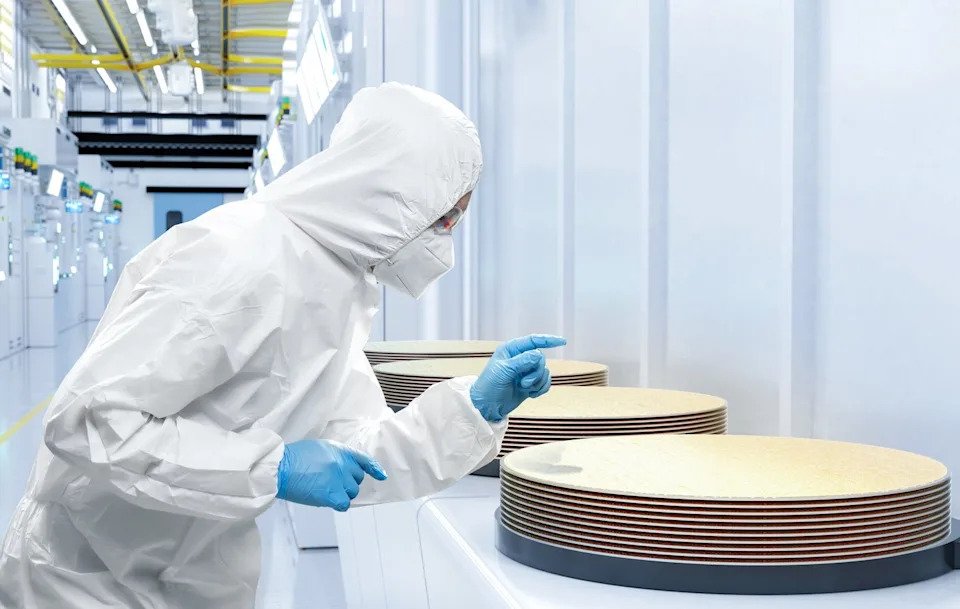
Image source: Getty Images.
Lam’s issue is supply, not demand
Lam’s revenue rose 22% from the June quarter to $8.22 billion, up 54% year over year. And management still forecast around $8.6 billion in the December quarter.
“[T]his revenue guide would have been a bit higher if not for some near-term supply chain constraints,” CFO Doug Bettinger said on the earnings call.
Lam also expects industry spending on chipmaking equipment to pass $200 billion in 2027, up from the mid-$150 billion range this year. Asked what that number would be without the constraints, Bettinger said it “would be higher.”
Micron: short on clean rooms, not customers
On Sept. 30, memory maker Micron said industry supply of DRAM and NAND (the two main kinds of memory chips) should stay constrained in 2027 and 2028.
“We expect memory and storage supply-demand conditions to be much tighter in calendar 2027 and 2028 than they were in 2026,” CEO Sanjay Mehrotra said in prepared remarks for that day’s call.
Showing what tight supply has done for Micron, its revenue rose 31% sequentially to $54.2 billion in the fiscal fourth quarter of 2026 (which ended Sept. 3), as DRAM prices climbed by a high-teens percentage and NAND prices by about 30%. Management expects another record in the fiscal first quarter of 2027, at roughly $61.5 billion, and to grow in every quarter of fiscal 2027. But the stock is off 29% from its June 25 record close, at about $856 as I write, or about 5 times earnings for fiscal 2027 on analysts’ consensus. That price suggests investors expect memory profits to fall soon. Micron is predicting the opposite.