By Ankur Banerjee
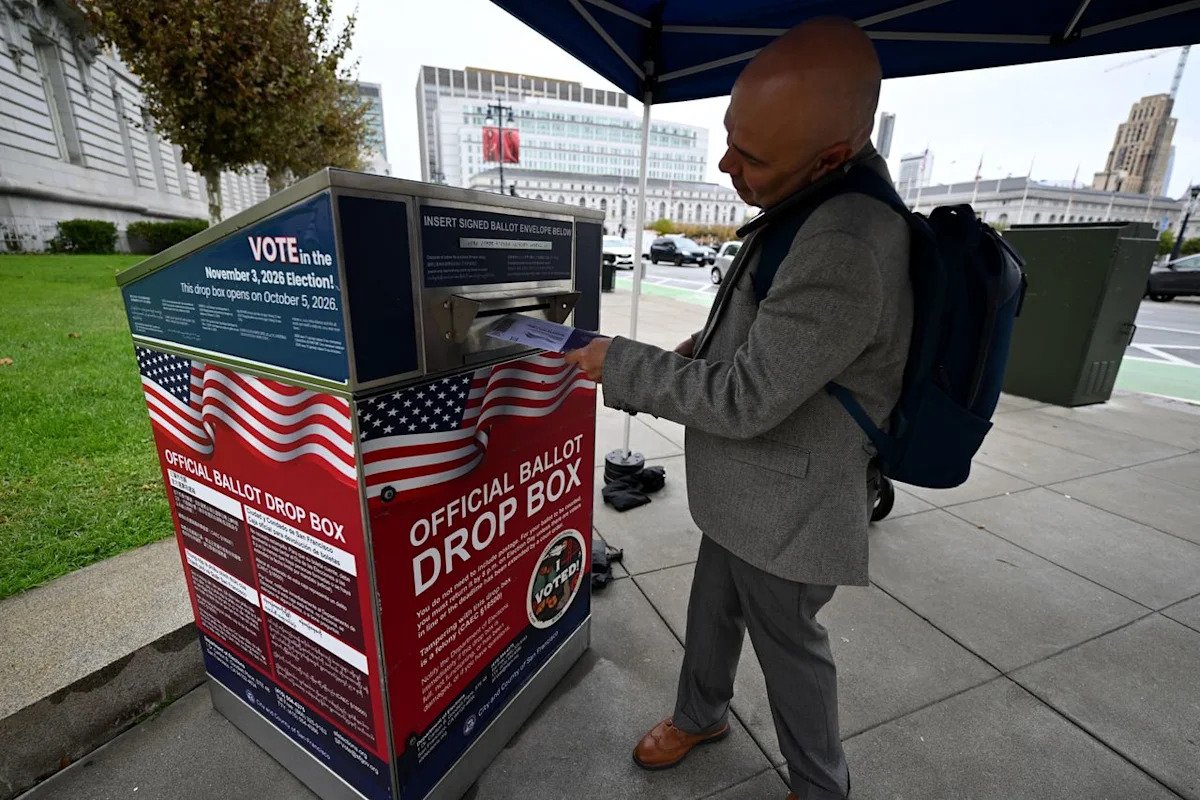
SINGAPORE, Nov 4 (Reuters) – US stock futures slid and the dollar softened on Wednesday as investors girded for results from US midterm election with the focus on whether Democrats can wrest control of Congress from President Donald Trump’s Republicans.
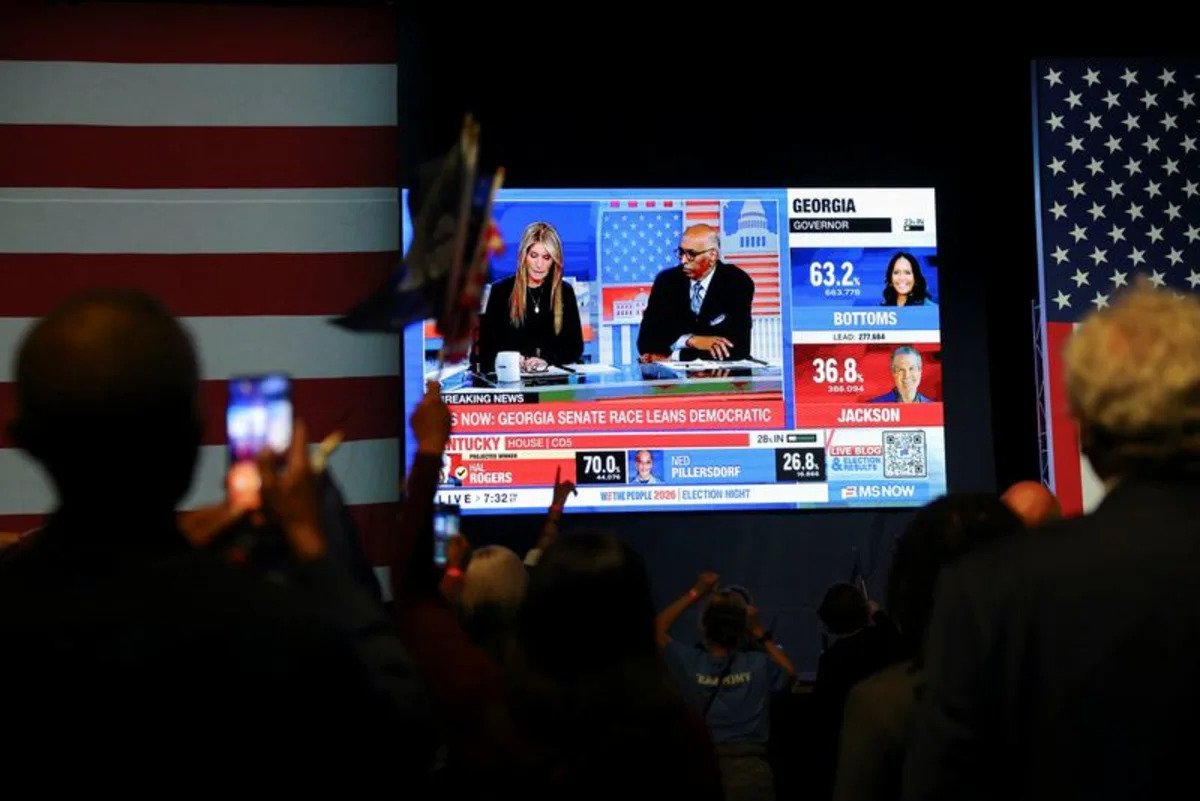
Democrat Jon Ossoff won re-election in Georgia, marking the first significant race call of the night as polls closed in seven states.
Democrats are favoured to capture the House and both parties are locked in an intense state-by-state battle for the Senate, leaving investors and markets on edge.
“For traders, the distinction between a narrow Democratic majority and a commanding victory is critical,” said Chris Weston, head of research at Pepperstone. “A narrow blue wave may be largely priced in.”
In the US Senate, where at least nine races are seen as competitive, Democrats won the first of 35 seats up for grabs on Tuesday, with US Senator Mark Warner winning reelection in Virginia as expected. Democrats need to net four seats to win control of that chamber.
Weston said the greatest market reaction may come not from who wins Congress, but from how decisively they win and how far the result deviates from expectations.
Futures for S&P 500 slid 0.5% while Nasdaq futures fell 0.9%.
Asian markets inched higher as beaten-down tech stocks found favour after strong results from chipmaker AMD eased some concerns over the durability of the AI trade.
MSCI’s broadest index of Asia-Pacific shares outside Japan advanced 0.4%, led by South Korean stocks, which rose over 2% in early trading. Japan’s Nikkei slid 1.5% after returning from a holiday.
AMD forecast faster-than-expected 2027 growth as its data-center sales surge and its multibillion-dollar challenge to Nvidia gathers pace.
The forecast and market-beating third-quarter results offered a strong counterpoint to mounting fears that the AI boom is losing steam and soothed investor concerns after rival Intel issued a weak outlook last week.
In the oil market, prices were choppy on Wednesday after sliding to a four-week low in the previous session as investors weighed talks to end the wars in Ukraine and Iran against worries that recent attacks in both conflicts could further disrupt supplies.
The effective blockade of the critical Strait of Hormuz that links the Gulf to world markets, previously a conduit for 20% of global oil supplies, has redrawn energy flows, stoked inflationary worries and upended global rates outlook.
(Reporting by Ankur Banerjee in SingaporeEditing by Shri Navaratnam)