On Oct. 28, Federal Reserve Chair Kevin Warsh tied the cost of borrowing straight to the AI buildout, and his Kevin Warsh AI stock market comments landed as a warning to anyone who thought the sector was rate-proof. Rates, he said, shape which projects get funded and on what terms. The Fed held its benchmark range at 3.75% to 4% the same day.

What Warsh rejected was the notion that AI’s outsized expected returns make the sector immune to monetary policy. For companies planning data centers and computing infrastructure, that distinction is the whole ballgame: a project can look great over ten years and still be hard to finance this quarter.
Contents
- What Warsh Said About AI Investment and Interest Rates
- Who Is Kevin Warsh, and What Was His Role?
- How AI Projects Depend on Financing
- Why Warsh’s AI Stock Market Comments Matter to AI Companies
- The Numbers Behind the Fed and AI Debate
- What Could Shift the Financing Outlook for AI?
- What Happens Next for Rates and AI Investment?
- FAQ
What Warsh Said About AI Investment and Interest Rates
Why did Warsh push back on the idea that AI is rate-proof?
At the Oct. 28 press conference, Warsh took on the argument that the returns from new technology are so large that borrowing costs barely register. He disagreed. “I believe they do, and I don’t believe that they’re somehow divorced from the rest of the economy,” he said.
Related: Kevin Warsh Is the New Fed Chair: What Crypto Market Can Expect
According to Yahoo Finance’s account of Warsh’s remarks, he also said rates “get in the cracks” and touch almost everything, directly or indirectly. AI spending, in other words, sits in the same financing environment as every other business outlay. It does not get its own lane.
What did the Fed decide at the same meeting?
The Federal Open Market Committee left its benchmark rate at 3.75% to 4%. Warsh’s comments explained how rates reach investment. They were not a new AI-specific policy, and they were not a decision to raise rates.
Keep the two apart. The hold was the committee’s call; Warsh’s remarks were his case for why financing costs still matter to new technology.
Who Is Kevin Warsh, and What Was His Role?
What position did Warsh speak from?
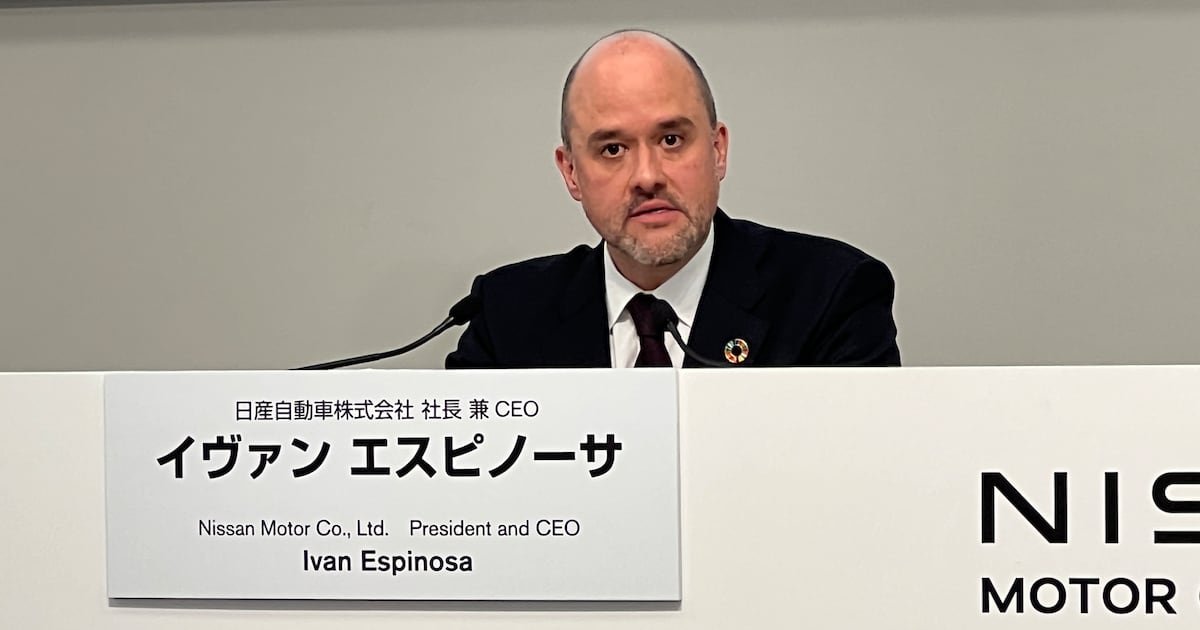
Warsh chairs the Federal Reserve. He spoke at a news conference after the Oct. 28 FOMC meeting. The committee sets the federal funds rate, and the chair’s job includes explaining how policymakers read conditions and how policy travels through the economy.
He replaced Jerome Powell on May 22, per the Yahoo Finance article. So the AI comments came from the Fed chair’s podium, not from an AI company or a sector bull with a forecast to sell.
What did Warsh say about investment beyond technology?
Warsh called high-tech investment a leading driver of the economy’s acceleration, while noting that spending was picking up elsewhere too, according to Fortune’s account. That wider picture is what makes the Fed’s job awkward: strong investment feeds growth, but sustained demand can also muddy the inflation read.
He did not chalk the economy’s strength up to AI alone. Technology investment was one piece of a broader capital-spending wave.
How AI Projects Depend on Financing
Why do data centers make borrowing costs relevant?
Data centers and computing infrastructure are capital-hungry. Some expansion gets paid for with cash or stock, but part of AI hardware demand is financed with debt, according to the analysis in Yahoo Finance.
When financing costs climb, the expected return on a project has to clear a higher bar. That can shift how much capital a company commits, which projects move to the front of the queue, or whether the original timetable survives. None of it means a company will cancel anything.
How can lenders and investors sort projects differently?
Warsh pointed to widening credit spreads on some assets as evidence that market participants are getting pickier. Translated: borrowers with a credible route to cash flow start to look very different from projects leaning on sunny assumptions about future demand and profit.
That pickiness reaches the AI buildout even when the long-term opportunity still looks good. A project may face harder questions about execution, financing, and how long returns will take to arrive, rather than getting funded on the simple promise that AI demand keeps growing.
Could higher rates change which projects get built?
Rates, in Warsh’s framing, shape what gets built, not just how much. When capital gets more expensive, companies and their backers tend to favor projects with clearer paths to revenue over those that need more time or hinge on shakier assumptions.
That changes the questions investors ask: how much capital does the project need, how will it be financed, and when does the spending start paying back? Warsh named no company and no project. He described a financing channel that runs across the whole sector.
Does that mean the AI investment opportunity has ended?
No. Warsh never said AI investment would stop, and he made no call on a collapse in AI stocks. His point was narrower: big expected tech gains do not exempt an investment from interest rates or from credit-market conditions.
Fortune’s account of the press conference noted that higher financing costs could affect how much capital projects attract and what returns investors demand. It also flagged pressure on project economics and execution expectations, even where investors still see a long-term opportunity.
The Numbers Behind the Fed and AI Debate
What rate and inflation figures frame the decision?
On Oct. 28 the Fed held its benchmark range at 3.75% to 4%. Per Yahoo Finance, annualized inflation had stayed above the Fed’s 2% target for 67 straight months at the time of the meeting. That backdrop is why the choice between supporting growth and containing prices carries real weight.
These are policy-setting figures, not a forecast of the committee’s next move. Warsh’s added point: even with rates unchanged, today’s borrowing costs already feed into the economics of AI projects.
What were markets pricing in for a possible hike?
CME FedWatch data cited in the Yahoo Finance article showed a 72% market-implied chance of a 25-basis-point rate increase in December, and a nearly 50% chance of cumulative increases totaling 75 basis points by Sept. 15, 2027. Those are market expectations, not a Fed commitment or a scheduled decision to raise rates.
The numbers explain why investors are glued to how sensitive AI spending is to rates. They are not a Warsh prediction. He said nothing about the committee’s next move.
What Could Shift the Financing Outlook for AI?
What could make funding conditions more challenging?
Higher policy rates push borrowing costs up, and higher yields on longer-term Treasury bonds can feed into what corporations pay to raise money. Yahoo Finance noted bond traders weighing elevated inflation, U.S. debt exceeding $40 trillion and federal deficits in 2026.
For AI companies that finance hardware or infrastructure with debt, a pricier funding environment could make some projects less attractive or push investors to demand harder evidence of future returns. The impact hinges on each project’s financing and economics. Warsh put no number on it for individual firms.
What could support continued AI investment?
Strong growth and continued business investment keep demand for new infrastructure alive, and companies sitting on cash or able to issue equity have ways around borrowing. Warsh also said spending was strengthening beyond high tech, which suggests the investment backdrop runs wider than one industry.
None of that cancels interest-rate sensitivity. It means the outlook rests on two things at once: what AI projects are expected to be worth, and the financing available to carry them out.
What Happens Next for Rates and AI Investment?
What will investors watch after the rate hold?
The watch item is whether borrowing costs and credit spreads drive a deeper wedge between projects with credible paths to cash flow and those built on rosier assumptions. That is where Warsh’s argument gets tested in practice: do higher financing costs change what companies actually invest in, or just the wording they use about AI?
Fortune quoted Julius Bendikas, U.S. head of economics and dynamic asset allocation at Marsh, saying the Fed’s hold supported patience and that Treasury yields could have room to fall as expectations for future hikes moderate. He also flagged strong growth, elevated energy prices and large fiscal deficits as risks that could push yields higher.
When is the next policy decision?
The December Fed meeting is the next decision point in the reporting. BeInCrypto identifies it as the December 8-9 Fed meeting. Market odds for December are no stand-in for the committee’s actual decision.
Until the Fed meets again, Warsh’s comments give a way to read the debate: AI’s potential returns may be huge, but companies still answer to the cost of capital, to lender scrutiny, and to making each individual project work on the numbers.
FAQ
What did Kevin Warsh say about interest rates and AI investment?
He said rates affect AI investment and rejected the idea that expected high returns put the sector beyond monetary policy’s reach. He described interest rates as affecting almost everything, directly or indirectly.
When did Warsh make the comments?
Warsh made the remarks at the news conference following the Oct. 28 Federal Open Market Committee meeting. The Fed held rates at that meeting.
How might higher rates affect an AI company’s plans?
More expensive financing can change a project’s economics, the amount of capital available and the return investors demand. Companies may reassess priorities without abandoning AI investment altogether.
How are companies financing AI data-center expansion?
The reporting says some large technology companies use cash and stock issuance for data-center buildouts, while some AI hardware demand is financed with debt. The mix can differ by company and project.
What did Warsh point to as evidence of investor selectivity?
He cited widening credit spreads for some assets. That can reflect lenders and investors distinguishing among borrowers and projects based on their financing risk and prospects for cash flow.
Does the December rate-hike probability mean the Fed has decided to raise rates?
No. The cited CME FedWatch figure was a market-implied probability of a 25-basis-point December hike, not an announcement or commitment by the Federal Reserve.