A retiree with $800,000 watched about $21,000 vanish in a single afternoon, and every instinct says sell. Buffett faced the same panic in 2008, lost more before he won, and left behind a simple test for who should flinch and…
This post may contain links from our sponsors and affiliates, and Flywheel Publishing may receive compensation for actions taken through them.
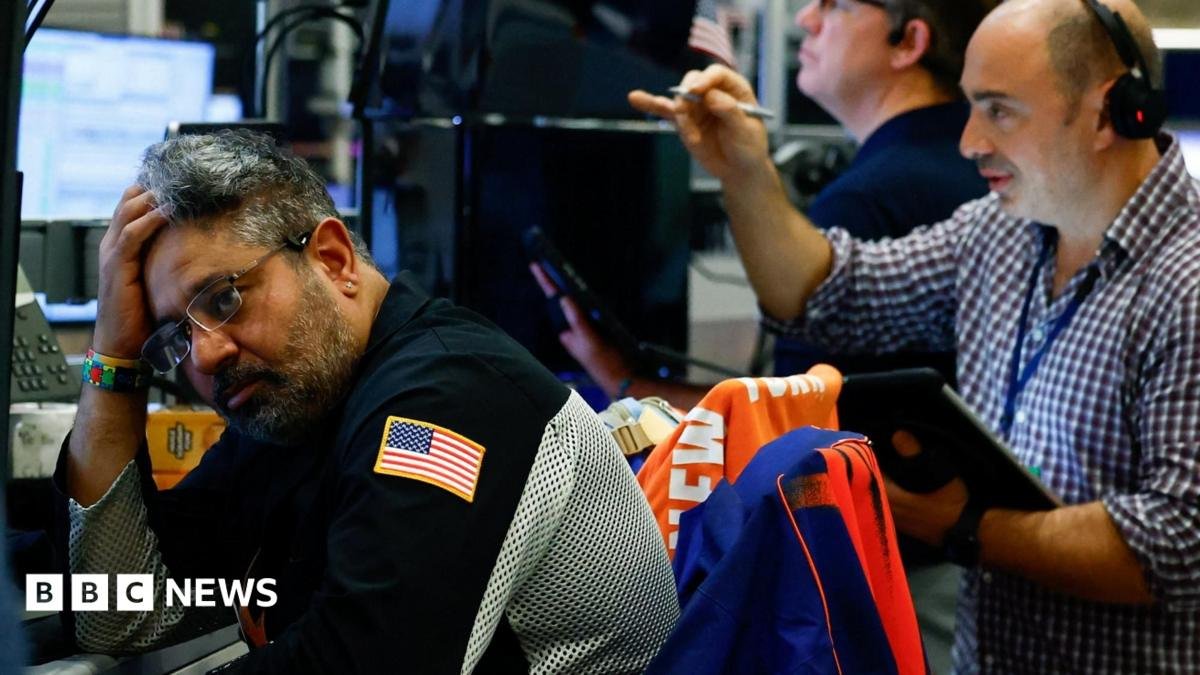
The S&P 500 fell 4.4% on Thursday, its worst day since April 2025. The Nasdaq 100 fell 6.5%. If you are 65, recently retired, and have $800,000 saved with 60% of it in stocks, you lost about $21,000 between breakfast and dinner.
The question every retiree in that position is asking tonight is whether to sell before it gets worse. Warren Buffett answered it in 2008, in the middle of a far uglier week than this one, and what happened to the people who listened is now on the record. So is what happened after every other day like Thursday for the past 27 years.
What Buffett said, and what it cost him first
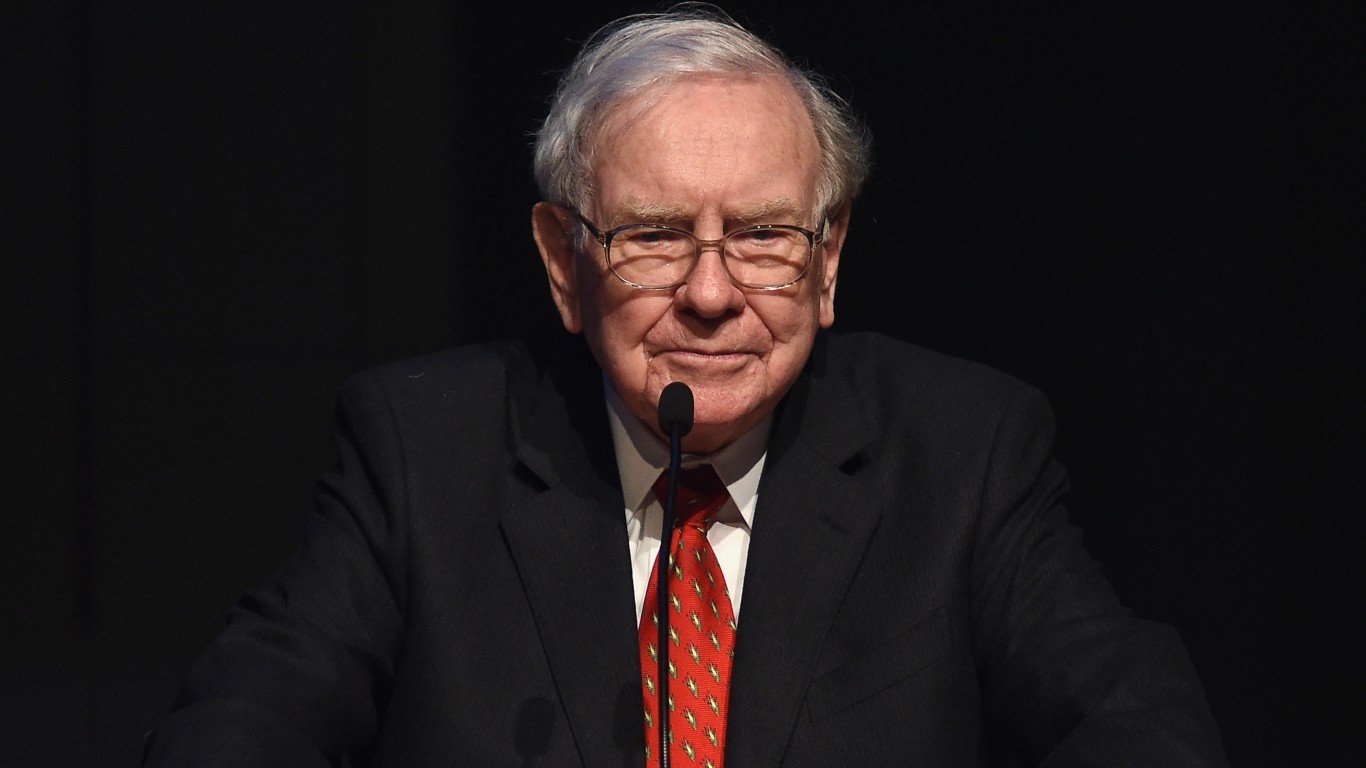
On Oct. 16, 2008, a month after Lehman Brothers failed, Buffett wrote in The New York Times that he was buying American stocks for his own account. His reasoning fit in one sentence: “Be fearful when others are greedy, and be greedy when others are fearful.”
He was also honest about what he did not know. He wrote that he could not predict where stocks would be in a month or a year, only that they would be higher well before the news got better.
He was early, and it hurt. The S&P 500 index fund that tracks the market closed at $93.77 that day. Over the next five months it fell another 27%, to $68.11 on March 9, 2009. Anyone who followed him was down more than a quarter by spring.
Then the other half arrived. One year after his article the fund was 16% above where he bought. Five years later it was up 86%. On Thursday night, after the drop, it stood 682% higher, before counting a dollar of dividends.
What happened after every other day like this
Thursday was the 46th time since late 1999 that the S&P 500 fund has lost 4% or more in a single session. Here is what followed the other 45.
One year later the fund was higher 39 times and lower 6 times. The typical gain was 25%. The worst outcome was a 16% loss, after the first trading day following the Sept. 11 attacks. Six months out it was higher 33 times in 45. One month out it was higher 29 times and lower 16. Days like Thursday tell you little about next month.
There is a catch in those numbers, and it matters. Bad days travel in packs. Sixteen of the 45 came in the fall of 2008 and nine in the first half of 2020, so the count leans on two episodes. Look only at the first 4% drop of each selloff and the picture is less tidy: 11 episodes, the market higher a year later in 7. All four misses came between 2000 and 2008. All seven since 2011 were winners.
So the record supports Buffett, with his own caveat attached. It has paid to hold. It has not paid quickly, and the first bad day has sometimes been the start of something longer.
Why a 65-year-old’s answer is not Buffett’s
Buffett could wait five years in 2008 because he was not selling shares to buy groceries. A retiree is. That is the whole difference, and it has a fix that Buffett himself wrote down.
In his 2013 letter to shareholders he described the instructions for the money he is leaving his wife: 90% in a low-cost S&P 500 index fund and 10% in short-term government bonds. The 10% is not there for the return. It is there so that nobody ever has to sell stocks in a week like this one to pay a bill.
Run that test on our retiree. With $800,000 at 60% stocks, there is $320,000 in bonds and cash. If the plan is to withdraw 4% a year, $32,000, that is ten years of spending that never touches a share of stock. Add $2,800 a month in Social Security, $33,600 a year, and the monthly budget does not depend on what the market did on Thursday at all. Short-term Treasuries yield about 4.2% right now, according to Treasury data, so that cushion is earning something while it waits.
A retiree in that position did not lose $21,000 of spending money on Thursday. They watched the part of the portfolio they will not need until the mid-2030s get marked down.
What to do on Friday morning
Start with the arithmetic. After Thursday the stock side is worth about $458,800 and the whole portfolio about $778,800, which makes stocks 58.9% of the total. A 60/40 plan now calls for buying about $8,500 of stocks, not selling. That is Buffett’s rule turned into a single trade, and it is the opposite of what Thursday made you feel like doing.
Then check where this month’s money comes from. If your withdrawals are set to sell whatever is in the account in proportion, change that so they come from bonds and cash while stocks are down.
Last, be honest about the one case where selling is right. If you are 65 with nearly everything in stocks and Thursday cost you $35,000 and a night’s sleep, the allocation was wrong on Wednesday too. Fix it on a plan, over weeks, not in a panic on the worst day of the year.
The bottom line
A 65-year-old with $800,000 and 60% in stocks lost about $21,000 on Thursday. In 39 of the 45 times the market has fallen this hard since 1999, it was higher a year later, and Buffett’s 2008 purchase is up 682%. But he was down 27% first. The retirees who came through 2008 whole were the ones who never had to sell, because the next several years of spending were already sitting somewhere else. If yours is, Thursday changed nothing. If it is not, that is the thing to fix.
Contact [email protected] for any questions or corrections.