Will Ebiefung, The Motley Fool
4 min read
Over the long haul, the U.S. stock market has been one of the greatest wealth creation machines in history. And the rise of generative artificial intelligence (AI) has recently taken things into overdrive, with the benchmark S&P 500 (SNPINDEX: ^GSPC) soaring 115% since the release of OpenAI’s ChatGPT in late 2022. The tech-heavy Nasdaq Composite (NASDAQINDEX: ^IXIC) has performed even better, rising 150%.
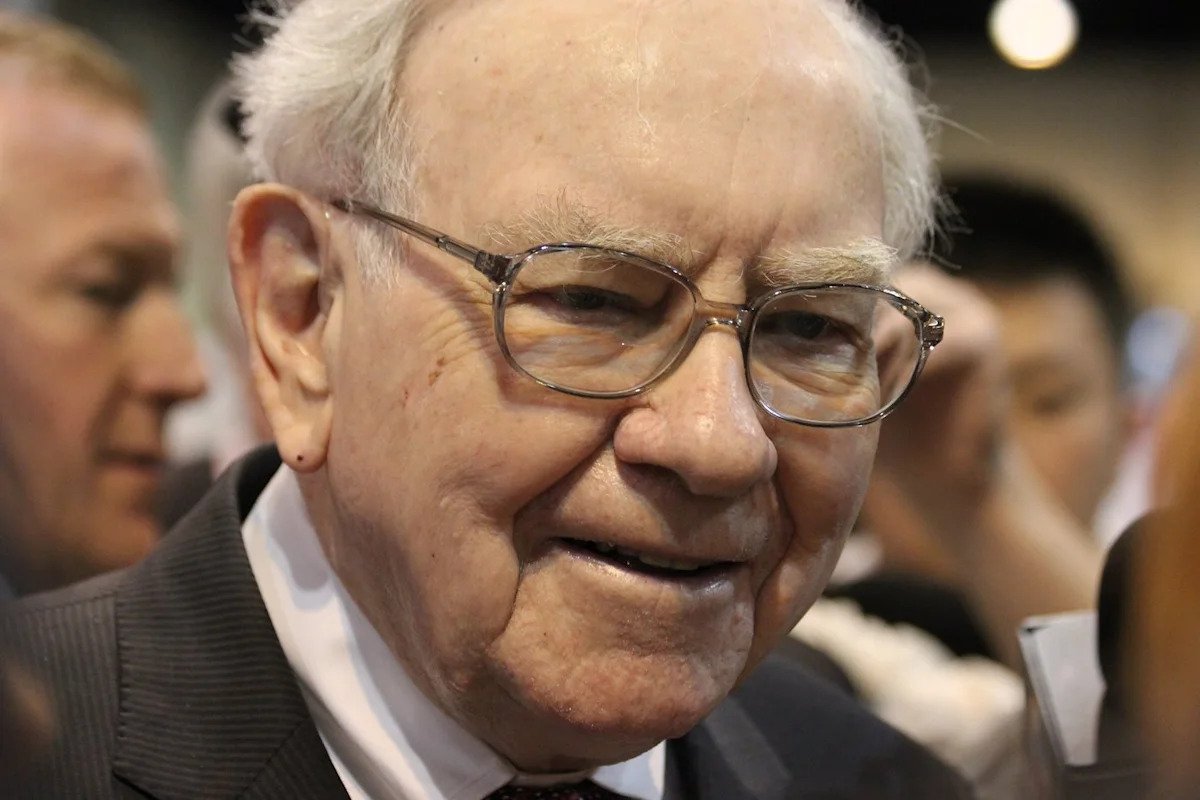
But roller-coaster rides are just as scary as they are exhilarating. And the previous decades of financial history show that severe drawdowns have often followed similar periods of explosive equity growth. No one knows this better than investing legend Warren Buffett.
Missed AI’s “Act 1”? Act 2 Could Be 16x Bigger. Most investors think they missed the AI boat because they didn’t buy Nvidia in 2005. But according to our analysts, we’re only at the end of “Act 1″—the R&D phase. “Act 2” is the global rollout. Continue »
Let’s explore what could happen next in the stock market, using Buffett’s advice as a guide on what investors should do to stay ahead.
Stocks are pricey
There are many methods investors use to gauge how expensive stocks are relative to other periods in history. But the cyclically adjusted price-to-earnings (CAPE) ratio is one of the most useful, as it accounts for inflation and the business cycle to reduce the impact of short-term fluctuations in corporate earnings.
Right now, the S&P 500 trades at a CAPE ratio of 40.1, well above its historic average of 17.4. This is important because the metric has only spiked above 32.6 twice in history. The first was in 1929, right before the stock market crash that led to the Great Depression. And the second time was in late 1999, when it peaked at 44.2 shortly before the dot-com bubble burst, and the market entered a multiyear decline.
The current generative AI situation has stark similarities to the dot-com bubble because both were sparked by a transformative new technology. But whether they end the same remains to be seen.
A crash could be coming
A November Barron’s survey found that only 37% of professional investors believe that current AI infrastructure spending will produce positive returns in two years. It’s easy to see why people are getting pessimistic.
According to The Wall Street Journal, U.S. consumers and businesses will have to spend $3.5 trillion annually by 2032 to justify the capital currently being invested in the opportunity. This is roughly 8.8% of gross domestic product (GDP), which sounds like a tall order because it would put spending ahead of essentials like energy and almost at the level of food.