Bailey Pemberton
5 min read
October’s jobs report told a clear story. More people working, wages pushing higher, and consumers with fresh spending power in their pockets. For investors, that mix can quickly reshape which U.S. Consumer Discretionary and Retail stocks benefit most from a strong labor backdrop and which get squeezed by higher costs. This article unpacks that tension and walks through three stocks exposed to this news-driven setup.
The three stocks discussed next are just a starting sample, and the full screen surfaced 17 more U.S. Consumer Discretionary and Retail companies with equally compelling stories that are not covered here. To widen your opportunity set, head straight into the U.S. Consumer Discretionary and Retail Beneficiaries of Strong Labor Market screener to identify, filter, and analyze ideas tied to a strong labor market.
Valvoline (VVV)
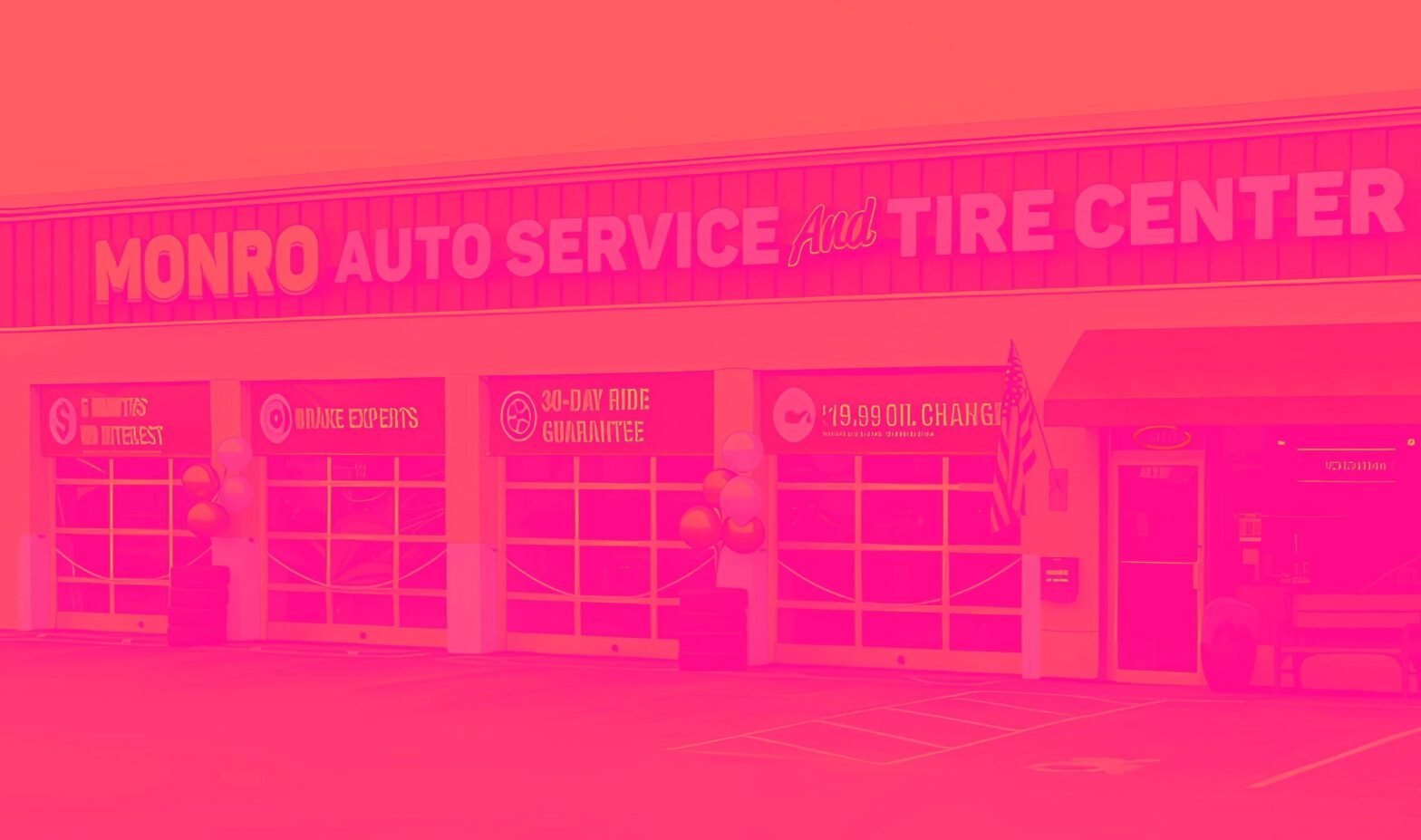
Valvoline plugs directly into the strong-labor-market theme, since more people working and commuting tends to support demand for quick, professional car maintenance. Its focus on convenient service centers makes it a clear play on that everyday spending power.
Valvoline runs quick service centers across the U.S. and Canada, providing oil changes and routine maintenance that fit neatly into a busier, fully employed customer’s life. Retail Services generated about US$2.0b of revenue, and the business carries a market value near US$4.6b.
“The consistent growth in same-store sales driven by both increased transactions and higher ticket sizes from premium service offerings remains in place, and recent guidance for system-wide same-store sales of 7.5% to 8% reinforces the view that Valvoline can keep translating resilient maintenance demand into revenue and earnings growth over time.”
The real swing factor is how one pressure on profitability evolves if strong demand keeps meeting rising costs at the store level.
That profitability pressure is exactly what the full narrative for Valvoline unpacks, showing how store level economics, capital allocation, and labor trends could be quietly reshaping Valvoline’s trajectory.

J.Jill (JILL)
J.Jill taps directly into the strong labor market theme because more employed shoppers with rising wages tend to spend on discretionary apparel, and its omnichannel model across stores, catalog, and ecommerce gives it multiple ways to capture that demand.
J.Jill runs an omnichannel women’s apparel platform in the U.S., selling clothing, footwear, and accessories across stores, catalog, and ecommerce channels. It generated about US$588 million from Retail and Direct Channels and has a market cap near US$342 million.